 أجهزة استشعار درجة حرارة الألياف الضوئية INNO ,أنظمة مراقبة درجة الحرارة.
- مراقبة درجة الحرارة أمر بالغ الأهمية لسلامة المحولات – المراقبة في الوقت الحقيقي لدرجات حرارة الملفات والزيت من خلال تقنيات الاستشعار المختلفة تمنع الضرر الناتج عن الحرارة الزائدة وتطيل عمر المعدات
- توفر أجهزة الاستشعار PT100 موثوقية مثبتة – توفر أجهزة الكشف عن درجة الحرارة ذات المقاومة البلاتينية دقة عالية, الاستقرار على المدى الطويل, ونطاق درجة حرارة واسع لكل من المحولات من النوع الجاف والمملوءة بالزيت
- تتفوق أجهزة استشعار الألياف الضوئية الفلورية في البيئات ذات الجهد العالي – محصن ضد التداخل الكهرومغناطيسي, آمنة جوهريا, وقادر على قياس متعدد النقاط بدون توصيلات كهربائية
- تخدم أنواع أجهزة الاستشعار المتعددة تطبيقات مختلفة – PT100, الألياف الضوئية الفلورسنت, الأشعة تحت الحمراء, وتوفر كل من أجهزة الاستشعار اللاسلكية مزايا فريدة لمتطلبات المراقبة المحددة
- فهم أسباب فشل درجة الحرارة أمر ضروري – الحمولة الزائدة, فشل نظام التبريد, تدهور العزل, والتوصيلات الضعيفة هي الأسباب الرئيسية لمشاكل درجة حرارة المحولات
- يؤثر الاختيار الصحيح للمستشعر على الموثوقية – Choosing the right temperature monitoring solution based on transformer type, فئة الجهد, and environmental conditions ensures accurate and dependable operation
- Leading manufacturers provide tested solutions – Global suppliers offer certified temperature monitoring systems that meet international standards and industry requirements
What Is a Transformer Temperature Sensor?
أ استشعار درجة حرارة المحولات is a critical monitoring device designed to measure and track the thermal conditions within electrical transformers. These sensors continuously monitor the temperature of key components, مشتمل اللفات المحولات, زيت عازل, and core materials, providing essential data for safe operation and preventing catastrophic failures.
Temperature sensors serve as the first line of defense against thermal damage in power distribution systems. When transformer components exceed their rated temperature limits, insulation materials degrade rapidly, potentially leading to short circuits, حرائق, or complete equipment failure. حديث أنظمة مراقبة درجة الحرارة دمج أنواع أجهزة استشعار متعددة لتوفير حماية حرارية شاملة في جميع المناطق الحرجة.
الوظائف الأساسية لأجهزة استشعار درجة الحرارة
الدور الأساسي ل أجهزة مراقبة درجة حرارة المحولات يمتد إلى ما هو أبعد من القياس البسيط. تمكن هذه المستشعرات المشغلين من اكتشاف أنماط التسخين غير الطبيعية قبل أن تسبب ضررًا دائمًا, تشغيل أنظمة التبريد الأوتوماتيكية عند ارتفاع درجات الحرارة, توفير البيانات لقرارات إدارة التحميل, وإنشاء سجلات تاريخية لبرامج الصيانة التنبؤية.
في التطبيقات الصناعية والمرافق, معدات استشعار درجة الحرارة يتصل بالتحكم الإشرافي والحصول على البيانات (سكادا) أنظمة, مما يسمح بالمراقبة عن بعد لأساطيل المحولات بأكملها. This connectivity enables rapid response to thermal events and supports data-driven maintenance strategies that maximize equipment reliability while minimizing operational costs.
What Is a PT100 Sensor for Dry-Type Transformers?
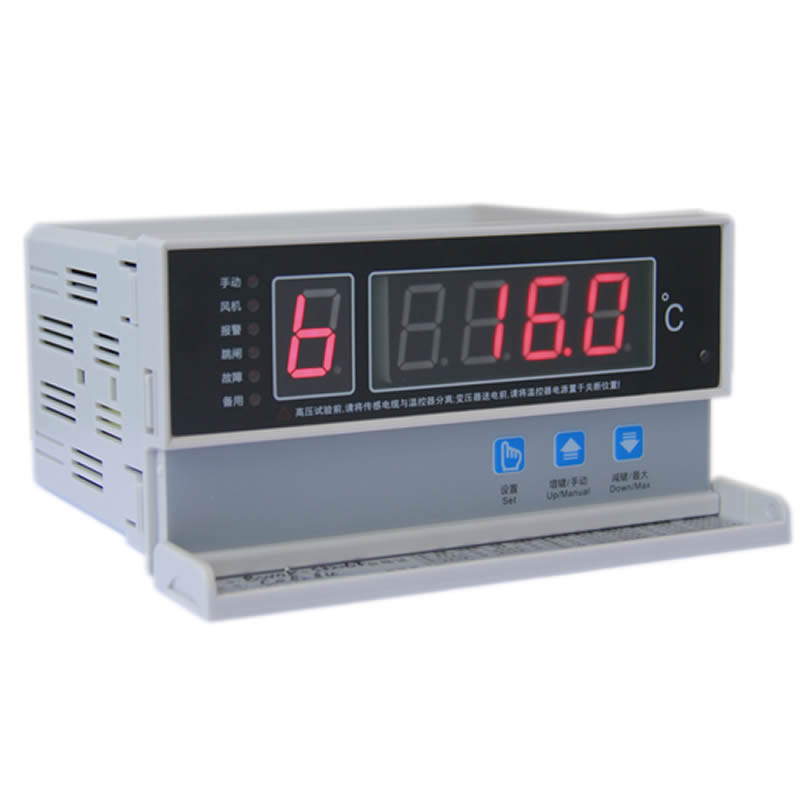
أ مستشعر PT100 is a platinum resistance temperature detector (الحق في التنمية) specifically designed for accurate temperature measurement in المحولات من النوع الجاف. The designation “PT100” indicates a platinum element with a resistance of 100 أوم عند 0 درجة مئوية, offering exceptional accuracy and stability across a wide temperature range from -200°C to +850°C.
ل dry-type transformer applications, PT100 sensors provide several distinct advantages over other temperature measurement technologies. These sensors maintain excellent linearity throughout their operating range, deliver repeatable measurements over many years of service, resist degradation from mechanical vibration and electrical noise, and comply with international standards including IEC 60751.
PT100 Construction and Installation
في المحولات من النوع الجاف, كاشفات درجة الحرارة المقاومة PT100 are typically embedded directly into the winding assemblies during manufacturing or installed in pockets that make thermal contact with critical components. The sensor element consists of a fine platinum wire wound on a ceramic or glass core, encapsulated in a protective stainless steel sheath that shields it from environmental contaminants while allowing efficient heat transfer.
ال مؤشر درجة حرارة اللف utilizing PT100 technology connects to a temperature transmitter or controller that converts the resistance signal into a standardized output such as 4-20mA or digital protocols like Modbus or Profibus. This allows seamless integration with building management systems and industrial control networks.
What Are the Main Types of Temperature Sensors for Transformers?
Transformer temperature monitoring relies on four primary sensor technologies, each offering distinct characteristics suited to specific applications and operating environments.
كاشفات درجة الحرارة المقاومة PT100
PT100 RTD sensors represent the industry standard for transformer temperature measurement due to their superior accuracy (±0.15°C at 0°C), استقرار ممتاز على المدى الطويل, and resistance to electrical interference. These sensors work equally well in both المحولات المغمورة بالزيت و محولات الراتنج المصبوب, making them the most versatile option for diverse installations.
أجهزة استشعار الألياف الضوئية الفلورية
أجهزة استشعار درجة حرارة الألياف الضوئية الفلورية utilize the temperature-dependent decay time of fluorescent materials to measure temperature with exceptional accuracy. على عكس أجهزة الاستشعار الكهربائية, these devices are completely immune to electromagnetic interference, contain no metallic components that could conduct electricity, and provide galvanic isolation between sensing points and monitoring equipment.
ال تكنولوجيا استشعار الألياف الضوئية excels in high-voltage environments where traditional electrical sensors pose safety risks or suffer from electromagnetic interference that compromises measurement accuracy.
أجهزة استشعار درجة الحرارة بالأشعة تحت الحمراء
Infrared thermal sensors measure surface temperatures without physical contact by detecting thermal radiation emitted from transformer components. These non-contact devices prove particularly useful for monitoring external surfaces, hot spot detection during thermal surveys, and temporary measurements during commissioning or troubleshooting.
أجهزة استشعار درجة الحرارة اللاسلكية
أنظمة مراقبة درجة الحرارة اللاسلكية transmit measurement data via radio frequency signals, eliminating the need for signal wiring between sensors and monitoring equipment. These battery-powered or energy-harvesting devices simplify retrofitting existing transformers with enhanced monitoring capabilities and reduce installation costs in distributed monitoring applications.
جدول المقارنة: PT100 vs Fluorescent Fiber Optic Sensors
| ميزة | PT100 Sensors | أجهزة استشعار الألياف الضوئية الفلورية |
|---|---|---|
| دقة | ± 1% خ.س (temperature controller level 0.5, sensor level B) | ±0.5 درجة مئوية إلى ±1 درجة مئوية |
| حصانة EMI | Good with proper shielding | مناعة كاملة |
| السلامة الجوهرية | Requires barriers in hazardous areas | Inherently safe, no electrical energy |
| تعقيد التثبيت | معتدل, requires wiring | بسيط, كابلات ألياف خفيفة الوزن |
| الاستقرار على المدى الطويل | ممتاز, proven over decades | ممتاز, لا الانجراف |
| نطاق درجة الحرارة | -30.0~ 240.0 ℃ | -40درجة مئوية إلى +300 درجة مئوية (عادي) |
| وقت الاستجابة | سريع (ثواني) | Very fast (sub-second) |
| يكلف | انخفاض التكلفة الأولية | ارتفاع التكلفة الأولية, lower installation |
| صيانة | Periodic calibration recommended | الحد الأدنى, no calibration drift |
How Do You Check Transformer Temperature?
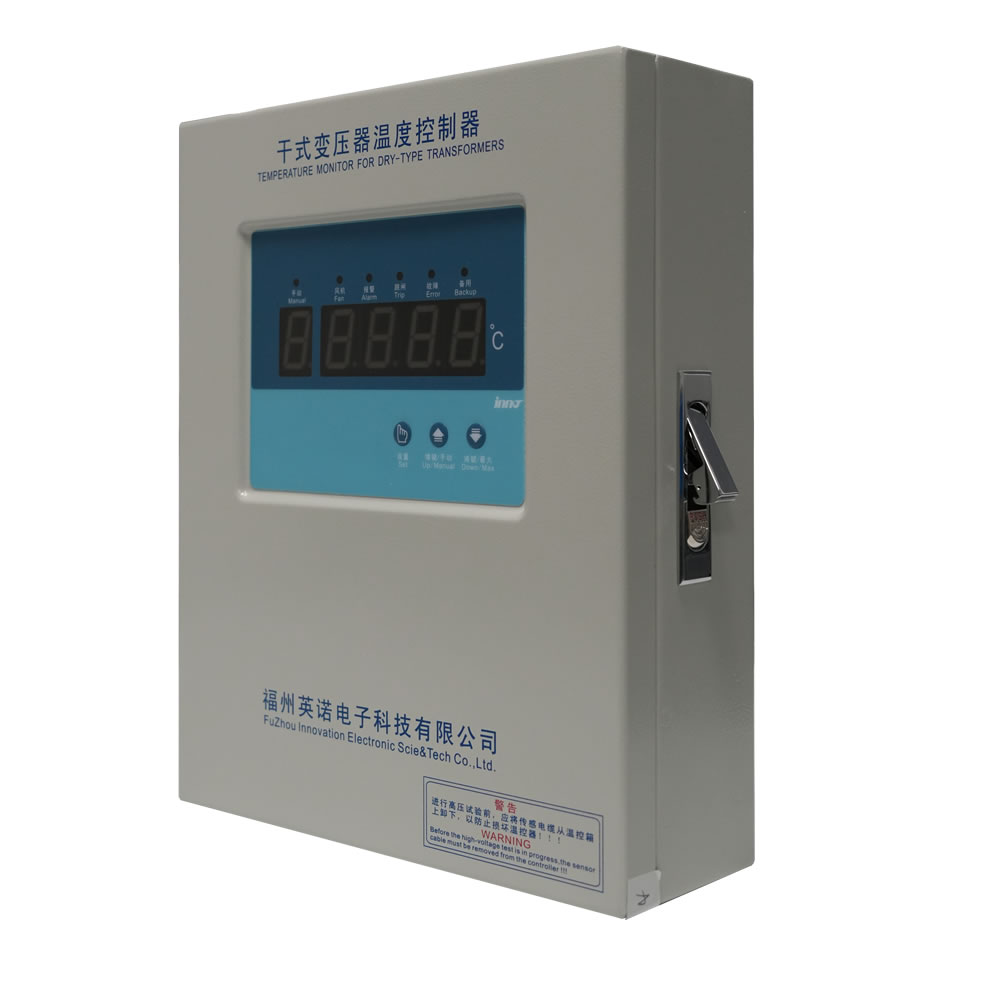
التحقق transformer operating temperature involves multiple measurement techniques and monitoring points to ensure comprehensive thermal assessment. Operators employ both continuous monitoring systems and periodic manual inspections to verify that all components operate within safe thermal limits.
Continuous Monitoring Methods
Modern transformers incorporate permanent temperature monitoring instrumentation that provides real-time data on critical thermal parameters. مؤشرات درجة حرارة اللف قم بقياس النقطة الأكثر سخونة بشكل مستمر في ملفات المحولات, بينما مقاييس درجة حرارة الزيت تتبع الحالة الحرارية للسائل العازل في الوحدات المملوءة بالزيت. تتصل هذه الأدوات بأنظمة الإنذار التي تنبه المشغلين عندما تقترب درجات الحرارة من الحدود المحددة مسبقًا أو تتجاوزها.
ل محولات الطاقة في المحطات الفرعية, عادةً ما يتم تغذية بيانات درجة الحرارة إلى مرحلات الحماية الرقمية وأنظمة SCADA, تمكين الاستجابات الآلية مثل تفعيل التبريد القسري, تقليل الحمل, أو تعطيل المحول دون الاتصال بالإنترنت في حالة استمرار درجات الحرارة الخطيرة.
تقنيات الفحص الدوري
فحص درجة الحرارة يدويًا باستخدام التصوير الحراري بالأشعة تحت الحمراء توفير بيانات تكميلية قيمة, خاصة للكشف عن النقاط الساخنة الموضعية على البطانات, مغير الصنبور, والاتصالات الخارجية. يجب إجراء المسوحات الحرارية خلال فترات الحمل العالي عندما تكون الاختلافات في درجات الحرارة أكثر وضوحًا, allowing operators to identify developing problems before they cause failures.
Temperature Monitoring Best Practices
Effective temperature verification requires establishing baseline measurements during initial commissioning, comparing current readings against historical trends to identify gradual changes, correlating temperature data with load levels and ambient conditions, investigating any sudden temperature increases regardless of absolute values, and documenting all temperature readings for trend analysis and regulatory compliance.
How Does a Transformer Temperature Sensor Work?
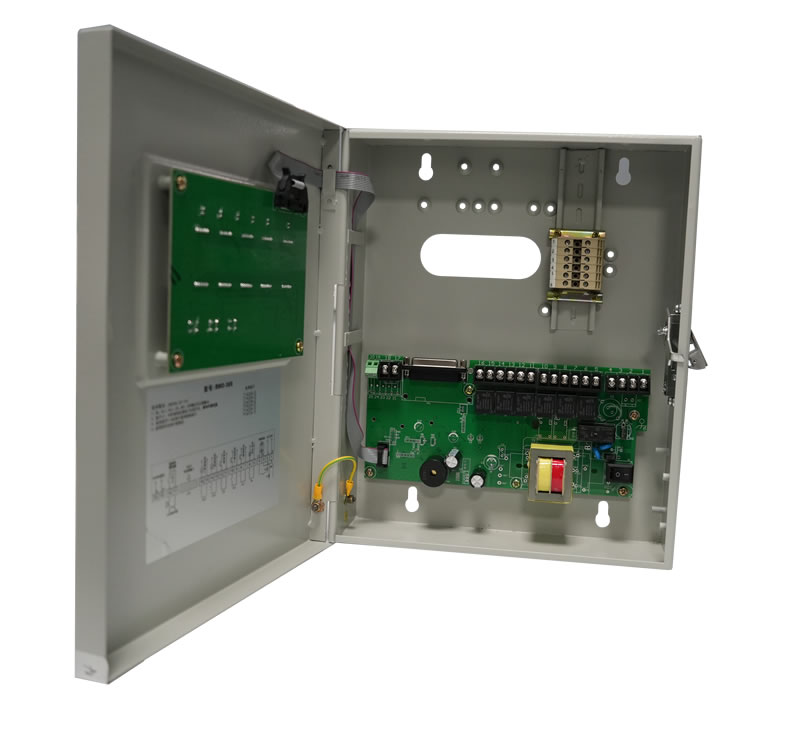
ال operating principle of temperature sensors varies based on the sensing technology employed, but all types convert thermal energy into measurable signals that monitoring systems can interpret and act upon.
Resistance-Based Sensing (بي تي 100/آر تي دي)
أجهزة كشف درجة الحرارة المقاومة exploit the predictable relationship between temperature and electrical resistance in pure metals. For platinum RTDs like PT100 sensors, resistance increases nearly linearly with temperature according to the Callendar-Van Dusen equation. A precision measuring circuit passes a small, constant current through the platinum element and measures the resulting voltage drop, which directly correlates to temperature.
ال RTD measurement circuit typically uses a four-wire configuration to eliminate errors from lead wire resistance, ensuring that only the sensor element’s resistance affects the measurement. This configuration provides accuracy better than 0.1% of reading across the full temperature span.
Fluorescent Decay Time Sensing
أجهزة استشعار الألياف الضوئية الفلورسنت employ a fundamentally different principle based on the temperature-dependent fluorescence decay time of rare-earth phosphors. A brief pulse of excitation light travels down the optical fiber to the sensor probe, where it stimulates fluorescence in the temperature-sensitive material. The intensity of this fluorescence decays exponentially, with the decay time constant varying predictably with temperature.
The monitoring equipment measures this decay time with high precision, converting it to a temperature reading that is inherently immune to light source variations, خسائر ثني الألياف, أو تدهور الموصل. هذا optical temperature measurement method provides exceptional stability and reliability in harsh electromagnetic environments.
Infrared Radiation Sensing
Non-contact infrared sensors detect thermal radiation emitted by all objects above absolute zero. The intensity and spectral distribution of this radiation depend on the object’s temperature and emissivity. By focusing infrared energy onto a detector element, these sensors can determine surface temperature from a distance, making them ideal for energized components that cannot be safely accessed during operation.
What Is a Transformer Winding Temperature Sensor?
أ winding temperature sensor specifically monitors the thermal condition of transformer coil assemblies, which typically operate at higher temperatures than surrounding oil or ambient air. يجب أن تتحمل هذه المستشعرات المتخصصة التيار الكهربائي, ميكانيكية, والضغوط الحرارية الموجودة داخل اللفات النشطة مع توفير الدقة, بيانات درجة الحرارة الموثوقة طوال عمر خدمة المحول.
مجسات اللف المباشر
أجهزة استشعار متعرجة مدمجة يتم تركيبها مباشرة في ملفات المحولات أثناء التصنيع, توفير القياس الأكثر دقة لدرجة حرارة الموصل الفعلية. ل المحولات من النوع الجاف, عادةً ما يتم تضمين مستشعرات PT100 بين طبقات اللف في مواقع النقاط الساخنة المحسوبة. في oil-filled transformers, يمكن وضع مجسات الألياف الضوئية على اتصال مع الأسطح المتعرجة الداخلية حيث تصل درجات الحرارة إلى ذروتها أثناء ظروف الحمل الثقيل.
وضع أجهزة استشعار درجة حرارة البقعة الساخنة يتطلب تحليلًا حراريًا دقيقًا لتحديد المواقع التي تحدث فيها درجات حرارة الذروة في ظل سيناريوهات التحميل المختلفة. Manufacturers typically install multiple sensors at different radial and axial positions within large power transformers to ensure comprehensive thermal monitoring.
Indirect Temperature Measurement
Many transformers use مؤشرات درجة حرارة اللف (خام غرب تكساس الوسيط) that infer coil temperature by combining top oil temperature measurements with a thermal model of the winding-to-oil temperature gradient. A heater element powered proportionally to load current warms the sensing element to simulate winding temperature rise above the oil temperature.
Winding Temperature Monitoring Applications
Accurate winding temperature data enables multiple protective and operational functions including overload protection that prevents insulation damage, dynamic rating calculations that maximize utilization during cool weather, cooling system control that optimizes energy consumption, and predictive maintenance that extends transformer life by avoiding thermal aging.
How Does a Transformer Oil Temperature Gauge Function?
ال transformer oil temperature gauge measures the thermal condition of insulating oil in liquid-filled transformers, توفير بيانات مهمة حول الحالة الحرارية العامة للوحدة. حيث أن درجة حرارة الزيت تؤثر بشكل مباشر على كفاءة التبريد وأداء العزل, المراقبة المستمرة تمنع ظروف التشغيل الخطيرة.
قياس درجة حرارة الزيت العلوي
أعلى مؤشرات درجة حرارة الزيت قم بقياس الزيت الأكثر دفئًا في المحول, الذي يرتفع إلى أعلى الخزان بسبب الحمل الحراري الطبيعي. يمتد مسبار الاستشعار إلى داخل الزيت عند أعلى نقطة في الخزان الرئيسي, حيث تصل درجة الحرارة إلى ذروتها أثناء التشغيل. يخدم هذا القياس أغراضًا متعددة بما في ذلك وظائف الإنذار والرحلة, تفعيل نظام التبريد, حسابات الشيخوخة الحرارية, وقرارات إدارة الأحمال.
حديث أجهزة مراقبة درجة حرارة الزيت الرقمية لا توفر فقط العرض المحلي ولكن أيضًا المخرجات التناظرية أو الرقمية لأنظمة المراقبة والتحكم عن بعد. Advanced units incorporate data logging to record temperature profiles over time, supporting forensic analysis after equipment failures.
Temperature Sensing Technologies for Oil
Various sensor types serve قياس درجة حرارة الزيت التطبيقات. PT100 RTDs offer excellent accuracy and stability for both top oil and bottom oil measurements, thermocouples provide economical solutions for less critical monitoring points, and fiber optic sensors enable interference-free measurements in locations with severe electromagnetic fields.
Oil Temperature Gradient Monitoring
كبير محولات الطاقة may incorporate multiple oil temperature sensors at different heights within the tank to monitor thermal stratification. Excessive temperature gradients can indicate cooling system problems, ممرات النفط المسدودة, or abnormal internal heating that requires investigation.
What Does a Transformer Temperature Controller Do?
أ تحكم في درجة حرارة المحولات integrates temperature sensor inputs with control logic to protect equipment and optimize cooling system operation. These intelligent devices form the brain of transformer thermal management systems, making automated decisions that maintain safe operating conditions while maximizing efficiency.
الوظائف الأساسية
Temperature control systems continuously process inputs from winding sensors, oil gauges, and ambient temperature detectors to perform several critical functions. They activate cooling fans or pumps when temperatures exceed start thresholds, trigger alarms when preset warning levels are reached, initiate automatic load reduction or transformer shutdown at critical temperatures, and record temperature data for trend analysis and regulatory reporting.
Advanced Controller Features
حديث digital temperature controllers incorporate sophisticated capabilities beyond simple threshold monitoring. Adaptive cooling control algorithms optimize fan operation based on load patterns and ambient conditions to minimize energy consumption, thermal modeling calculates remaining time to critical temperature at current load levels, communication interfaces enable integration with substation automation and SCADA systems, and self-diagnostic functions verify sensor operation and detect measurement anomalies.
Cooling System Management
Forced cooling control represents a primary function of temperature controllers in large transformers. By staging multiple cooling banks based on temperature trends rather than fixed setpoints, intelligent controllers maintain optimal thermal margins while avoiding excessive energy consumption and reducing mechanical wear on cooling equipment.
What Is the Operating Temperature Range for Transformer Windings?
ال permissible temperature range for transformer windings depends on the insulation class and design standards applicable to the specific transformer type. Understanding these limits is essential for proper operation and maintenance of electrical distribution equipment.
Standard Temperature Limits
ل المحولات المغمورة بالزيت using conventional insulation systems, IEEE and IEC standards establish temperature limits based on insulation class. The average winding temperature should not exceed 65°C rise above ambient under rated load for Class A insulation (105درجة مئوية إجمالية), while hot spot temperature limits typically restrict peak winding temperatures to 110°C rise above ambient (140درجة مئوية إجمالية) for normal life expectancy.
المحولات من النوع الجاف employ different insulation systems with higher temperature capabilities. Class F insulation allows average winding temperature rise of 100°C above ambient (130°C rise for hot spot), while Class H systems permit 115°C average rise (150°C hot spot rise), enabling more compact designs and higher power density.
Temperature and Insulation Life
العلاقة بين operating temperature and insulation aging follows the Arrhenius equation, where reaction rates double for every 8-10°C temperature increase. This means that continuous operation at temperatures exceeding design limits significantly accelerates insulation degradation, potentially reducing transformer life from decades to years.
Loading Beyond Nameplate Rating
Transformers can operate above nameplate capacity if temperatures remain within acceptable limits. Emergency loading guides تحدد IEEE وIEC التي نشرتها IEC الأحمال الزائدة المسموح بها بناءً على درجة حرارة ما قبل التحميل, مدة الحمل الزائد, وخسائر مقبولة في الأرواح. تصبح مراقبة درجة الحرارة أمرًا بالغ الأهمية خلال ظروف التشغيل هذه لمنع تجاوز الحدود الحرارية التي تسبب ضررًا دائمًا.
How Do You Measure Transformer Winding Temperature?
Measuring درجة حرارة لف المحولات يمثل بدقة تحديات فريدة لأن النقاط الأكثر سخونة مدفونة عميقًا داخل مجموعة الملف, لا يمكن الوصول إليها أثناء التشغيل العادي. يستخدم المهندسون العديد من التقنيات التي أثبتت جدواها للحصول على بيانات حرارية موثوقة لهذه المكونات المهمة.
Direct Measurement Methods
أجهزة استشعار درجة الحرارة المدمجة توفير بيانات درجة حرارة الملف الأكثر دقة عن طريق وضع عناصر الاستشعار في اتصال حراري مباشر مع الموصلات. أثناء تصنيع المحولات, يتم وضع مستشعرات PT100 أو مجسات الألياف الضوئية في مواقع النقاط الساخنة المحسوبة بين طبقات اللف. These sensors remain in place throughout the transformer’s operational life, continuously monitoring actual conductor temperatures.
ل محولات الراتنج المصبوب, sensors are embedded in the epoxy encapsulation during the casting process, creating a permanent thermal monitoring system. The number and location of sensors depends on transformer size and criticality, with large units incorporating multiple sensors to map temperature distribution throughout the winding structure.
Indirect Calculation Methods
Many transformers use thermal imaging techniques that combine top oil temperature with calculated winding-to-oil gradient. The winding temperature indicator applies a correction factor based on load current to estimate hot spot temperature. While less accurate than direct measurement, this approach provides reliable monitoring at lower cost for medium-sized transformers.
Thermal Modeling
متقدم thermal analysis software can predict winding temperature distribution based on load current, درجات حرارة الزيت, حالة نظام التبريد, والظروف المحيطة. These models, تم التحقق من صحتها مقابل البيانات المقاسة أثناء اختبار المصنع, تمكين تقدير درجة حرارة النقطة الساخنة في الوقت الحقيقي حتى في المحولات التي لا تحتوي على أجهزة استشعار مدمجة.
What Are Fiber Optic Temperature Sensors for Transformers?
أجهزة استشعار درجة حرارة الألياف الضوئية تمثل تقنية مراقبة متقدمة مصممة خصيصًا للتغلب على قيود أجهزة الاستشعار الكهربائية التقليدية في تطبيقات المحولات ذات الجهد العالي. تقوم أنظمة الاستشعار البصري هذه بإزالة التوصيلات الكهربائية بين نقاط الاستشعار ومعدات المراقبة, توفير السلامة المتأصلة والحصانة للتداخل الكهرومغناطيسي.
تقنية الألياف الضوئية الفلورية
الأكثر شيوعا نظام استشعار الألياف الضوئية للمحولات يستخدم قياس وقت اضمحلال الفلورسنت. يتم توصيل مسبار صغير يحتوي على مادة فوسفورية أرضية نادرة بكابل الألياف الضوئية ويتم وضعه عند نقطة القياس داخل المحول. تنتقل نبضات الضوء فوق البنفسجي عبر الألياف لإثارة الفوسفور, which emits visible light with a decay time that varies predictably with temperature.
This optical temperature measurement technique offers several critical advantages for transformer applications including complete electrical isolation between sensor and electronics, immunity to electromagnetic and radio frequency interference, intrinsically safe operation in hazardous locations, and no metallic components that could become energized or create ground loops.
Installation in High-Voltage Equipment
مجسات الألياف الضوئية can be installed in locations where electrical sensors would pose safety risks or suffer from interference. The non-conductive glass fiber passes through high-voltage barriers without requiring insulated bushings or isolation amplifiers. This simplifies installation and eliminates potential failure modes associated with electrical sensor systems.
مراقبة متعددة النقاط
واحد نظام مراقبة الألياف الضوئية can interrogate dozens of sensor points distributed throughout a transformer, providing comprehensive thermal mapping impossible with conventional wiring. This capability proves particularly valuable in large power transformers where understanding temperature distribution helps optimize loading and predict maintenance requirements.
Where Should Temperature Sensors Be Installed?
التنسيب الاستراتيجي ل temperature monitoring sensors ensures comprehensive thermal protection while optimizing the number of sensors required. Installation locations should capture peak temperatures at critical failure points and provide representative measurements for thermal management decisions.
Winding Sensor Locations
ل اللفات المحولات, sensors must be positioned at calculated hot spot locations where maximum temperatures occur under load. In layer-type windings, hot spots typically appear in the upper portion of inner layers where heat dissipation is poorest. Disc-type windings concentrate heat near the core in lower discs. Thermal analysis during design identifies optimal sensor positions, typically resulting in placement at the radial center of windings, in the upper third of the winding height, and at locations with restricted oil flow.
Oil Temperature Measurement Points
Oil temperature sensors should monitor both top oil where maximum temperatures occur and bottom oil to assess temperature gradient. Large transformers benefit from multiple oil sensors at different heights to detect stratification or circulation problems. Top oil sensors extend into the oil pocket at the highest point of the main tank, يتم تركيب مستشعرات الزيت السفلية بالقرب من مدخل المبرد أو قاع الخزان, وقد تقوم أجهزة الاستشعار الإضافية بمراقبة الزيت الذي يدخل ويخرج من معدات التبريد.
مراقبة البيئة المحيطة ونظام التبريد
شامل أنظمة المراقبة الحرارية دمج قياس درجة الحرارة المحيطة لحسابات التصنيف الديناميكي وأجهزة استشعار نظام التبريد للتحقق من التشغيل السليم. تساعد مراقبة درجة حرارة الهواء عند مداخل التبريد على تحسين تشغيل المروحة, بينما درجة حرارة الزيت قبل وبعد المبردات تؤكد فعالية المبادل الحراري.
What Causes Transformer Temperature Failures?
فهم الأسباب الجذرية لارتفاع درجة حرارة المحولات تمكن الصيانة الاستباقية والاستراتيجيات التشغيلية التي تمنع حالات الفشل المكلفة. عادة ما تنشأ المشاكل المتعلقة بدرجات الحرارة من عدة آليات متميزة, غالبًا ما تعمل معًا لخلق ظروف حرارية خطيرة.
الحمولة الزائدة والتيار الزائد
ظروف الحمل الزائد المستمر represent the most common cause of transformer temperature failures. When load current exceeds design limits, I²R losses in windings increase exponentially, generating more heat than cooling systems can dissipate. This situation commonly occurs due to load growth exceeding transformer capacity, failure of parallel transformers forcing load transfer, incorrect transformer sizing during installation, or temporary emergency conditions that persist longer than planned.
Even brief overloads can cause cumulative damage if they occur frequently. ال ركوب الدراجات الحرارية from repeated overheating weakens insulation through expansion and contraction, eventually leading to dielectric failure even if peak temperatures never reach critical limits.
فشل نظام التبريد
Inadequate heat dissipation causes temperatures to rise even at normal load levels. Cooling system problems that trigger temperature failures include radiator or cooler blockage by dirt or debris, fan or pump motor failures, loss of cooling medium (oil leaks in oil-filled units), incorrect cooling equipment settings or control failures, and ambient temperature exceeding design assumptions.
في forced-air cooled transformers, a single fan failure may seem minor but can create localized hot spots if the affected area loses adequate cooling. Monitoring systems should detect cooling equipment problems by identifying abnormal temperature rises relative to load.
تدهور نظام العزل
تدهور العزل creates a vicious cycle where initial aging increases electrical losses, generating additional heat that accelerates further degradation. Common insulation problems leading to temperature failures include moisture contamination reducing dielectric strength and thermal performance, partial discharge activity creating localized heating, chemical breakdown of insulation materials, and contamination by particles or conductive materials.
Poor Electrical Connections
Loose or corroded connections create high-resistance joints that generate excessive heat. هؤلاء النقاط الساخنة typically occur at bushing terminals, اضغط على جهات الاتصال المغير, internal lead connections, and grounding system joints. Unlike distributed winding temperature increases, connection problems create intense localized heating that standard sensors may not detect if positioned far from the problem area.
Internal Faults
Incipient faults within transformer windings or core structures produce abnormal heating patterns before developing into catastrophic failures. Turn-to-turn shorts create circulating currents and localized heating, core insulation breakdown causes eddy current losses, and internal arcing generates intense heat in small areas. Detecting these problems requires sensitive monitoring that identifies unusual temperature distributions or unexpected temperature increases at normal load.
What Are Best Practices for Transformer Thermal Management?
فعال thermal management strategies maximize transformer reliability and lifespan while optimizing operational flexibility and efficiency. Implementing proven practices for temperature control reduces failure rates and extends equipment service intervals.
إدارة الأحمال
Dynamic loading strategies adjust transformer utilization based on real-time thermal conditions rather than fixed nameplate ratings. By continuously monitoring winding and oil temperatures alongside ambient conditions, operators can safely increase loading during cool weather while maintaining appropriate thermal margins. This approach requires accurate temperature measurement, validated thermal models, defined risk tolerance for loss-of-life acceleration, and automated systems that can respond quickly to changing conditions.
Cooling System Optimization
حديث cooling control algorithms minimize energy consumption while maintaining safe temperatures. Rather than running all cooling equipment whenever temperature exceeds a threshold, intelligent systems stage cooling banks based on rate of temperature rise, adjust fan speed to match actual cooling requirements, and shut down excess cooling capacity during light load periods. These strategies can reduce cooling energy consumption by 30-50% compared to simple on-off control.
الصيانة الوقائية
عادي thermal system maintenance يمنع التدهور الذي يؤدي إلى فشل درجة الحرارة. تشمل أنشطة الصيانة الأساسية تنظيف المشعات والمبردات للحفاظ على كفاءة نقل الحرارة, اختبار وممارسة مراوح التبريد والمضخات, التحقق من دقة مستشعر درجة الحرارة مقابل المعايير المرجعية, فحص التوصيلات الكهربائية بحثاً عن علامات ارتفاع درجة الحرارة, وتحليل جودة الزيت للكشف عن التلوث أو التدهور.
تتجه درجة الحرارة والتحليل
بيانات درجة الحرارة التاريخية يكشف عن المشاكل النامية قبل أن تسبب الفشل. يجب على المشغلين إنشاء ملفات تعريف درجة الحرارة الأساسية عند مستويات الحمل المختلفة, مراقبة الزيادات التدريجية التي تشير إلى تدهور نظام التبريد, التحقيق في التغيرات المفاجئة في أنماط درجات الحرارة, وربط سلوك درجة الحرارة مع الحمل, الظروف المحيطة, وتشغيل نظام التبريد.
من هم الأعلى 10 Transformer Temperature Sensor Manufacturers?
اختيار موثوق معدات مراقبة درجة الحرارة from established manufacturers ensures long-term performance and support. The following companies represent industry leaders in transformer thermal protection systems:
1. فجينو
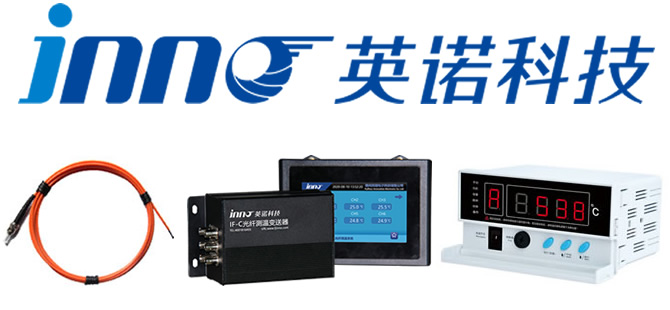
We are a high-tech enterprise with strong capabilities. Our main products include fluorescent fiber optic temperature measurement systems, أنظمة مراقبة درجة حرارة الألياف الضوئية للمحولات المغمورة بالزيت عبر الإنترنت, نظم الإدارة البيئية, أجهزة التحكم في درجة الحرارة من الألياف الضوئية للنقل بالسكك الحديدية, أنظمة المراقبة عبر الإنترنت PHM, أجهزة التحكم في درجة حرارة المحولات من النوع الجاف, إلخ. جنبا إلى جنب مع جامعات مثل جامعة فوتشو, we have successfully developed fluorescent fiber optic temperature sensors with independent intellectual property rights, توفير الحلول الشاملة وخدمات التطبيقات لدرجة الحرارة, اهتزاز, الضغط والمراقبة الأخرى في صالات الأنابيب الشاملة, خطوط أنابيب النفط والغاز, النقل بالسكك الحديدية, قوة, البلدية, الطاقة النووية, طاقة جديدة, المجالات الكيميائية وغيرها. في عصر التطور السريع لصناعة إنترنت الأشياء, InnoTech will rise to the forefront and become a provider and application service provider of intelligent temperature measurement system overall solutions.
2. WIKA Instruments
لغة manufactures precision temperature sensors and instrumentation for transformer applications, including PT100 RTDs, المزدوجات الحرارية, and digital temperature transmitters. Their products meet international standards and provide reliable measurements in demanding environments.
3. سيمنز
سيمنز للطاقة produces integrated transformer monitoring systems that combine temperature sensors with advanced diagnostics and control capabilities. Their solutions support both new installations and retrofits of existing equipment.
4. ايه بي بي
ايه بي بي offers comprehensive transformer monitoring products including temperature sensors, وحدات تحكم, and complete asset management platforms. Their systems enable predictive maintenance and optimal transformer utilization.
5. هندسة أوميغا
أوميغا provides a wide range of temperature sensors suitable for transformer applications, including industrial-grade RTDs, المزدوجات الحرارية, and wireless monitoring systems. Their products serve applications from small distribution transformers to large power units.
6. نيوبتكس (ابتكارات لونا)
Neoptix fiber optic sensors excel in high-voltage transformer monitoring where immunity to electromagnetic interference is critical. Their fluorescent decay technology provides accurate, reliable measurements in the most challenging electrical environments.
7. REINHAUSEN (السيد)
مصنع الآلات رينهاوزن manufactures transformer monitoring equipment including advanced temperature sensors and controllers designed specifically for power transformer applications. Their products integrate seamlessly with tap changer controls and other transformer accessories.
8. مختبرات شفايتزر الهندسية (سيل)
سيل produces digital protection and monitoring systems that incorporate temperature monitoring for comprehensive transformer protection. Their integrated approach combines thermal, كهربائي, and dissolved gas monitoring.
9. فيسالا
فيسالا offers temperature and humidity monitoring solutions for transformer applications, particularly for dry-type units where ambient conditions significantly affect thermal performance.
10. Keller America
Keller manufactures robust temperature sensors for industrial applications including transformers. Their products emphasize reliability and accuracy in harsh environments.
الأسئلة المتداولة
ما هي درجة حرارة التشغيل العادية للمحول؟?
طبيعي درجات حرارة تشغيل المحولات تختلف حسب النوع والتحميل. تعمل المحولات المملوءة بالزيت عادة بدرجات حرارة زيت قصوى تبلغ 60-80 درجة مئوية ونقاط ساخنة متعرجة تتراوح بين 90-110 درجة مئوية تحت الحمل الكامل. تعمل المحولات من النوع الجاف بشكل أكثر سخونة, مع درجات حرارة متعرجة تتراوح بين 100-150 درجة مئوية حسب فئة العزل. تفترض درجات الحرارة هذه الظروف المحيطة القياسية من 30 إلى 40 درجة مئوية.
كم مرة يجب معايرة مستشعرات درجة حرارة المحولات?
معايرة مستشعر درجة الحرارة تعتمد الفواصل الزمنية على نوع المستشعر وأهمية التطبيق. قد تتطلب أجهزة استشعار PT100 في التركيبات المستقرة التحقق فقط في كل مرة 5-10 سنين, بينما يجب فحص أجهزة الاستشعار في التطبيقات الهامة سنويًا. لا تتطلب مستشعرات الألياف الضوئية عادةً أي معايرة لأنها لا تنجرف بمرور الوقت. Always calibrate after any sensor replacement or repair.
Can I use standard industrial temperature sensors in transformers?
While standard sensors may physically fit, transformer-specific sensors are engineered for the unique electrical, الحرارية, and environmental conditions inside power equipment. They must withstand high voltage stress, resist insulating oil or resin, tolerate vibration and thermal cycling, and meet safety standards for hazardous locations. Using non-approved sensors risks measurement errors, مخاطر السلامة, or premature sensor failure.
What causes false temperature alarms in transformers?
False temperature alarms commonly result from sensor failures, wiring problems, or controller malfunctions rather than actual overheating. Common causes include moisture in sensor connections creating resistance changes, electromagnetic interference affecting sensor signals, calibration drift in aging sensors, and incorrect controller setpoints. Always verify actual transformer temperature through multiple independent measurements before assuming an alarm is false.
How do I choose between PT100 and fiber optic sensors?
يختار أجهزة الاستشعار PT100 for cost-effective monitoring in medium voltage transformers where proven technology and wide vendor support are priorities. Choose أجهزة استشعار الألياف الضوئية for high-voltage applications where electromagnetic immunity is essential, in locations where intrinsic safety is required. Consider that fiber optic systems have higher initial costs but may reduce installation expenses in complex applications.
What temperature triggers transformer alarms?
Alarm temperatures vary by transformer type and design but typically include warning alarms at 80-85°C top oil or 110-120°C winding temperature, trip alarms at 90-95°C top oil or 130-140°C winding temperature, and emergency shutdown at temperatures exceeding insulation limits. Settings should account for transformer insulation class, loading category, and risk tolerance. Consult manufacturer specifications and applicable standards when establishing alarm setpoints.
Can transformers recover from overheating?
Transformers can operate normally after brief رحلات درجة الحرارة if peak temperatures and duration remain within emergency loading guidelines. لكن, each overheating event causes cumulative insulation aging that reduces remaining life. Severe overheating that degrades insulation properties or causes physical damage may permanently compromise the transformer, تتطلب اختبارات مكثفة للتحقق من استمرار اللياقة للخدمة. دائمًا ما تكون الوقاية من خلال المراقبة السليمة وإدارة الأحمال أفضل من التعافي من الأضرار الحرارية.
هل أحتاج إلى أجهزة استشعار منفصلة لكل لف?
تستفيد المحولات متعددة اللفات من مراقبة اللف الفردية لأن مستويات الجهد المختلفة قد يكون لها أنماط تحميل وخصائص حرارية مختلفة. على الأقل, مراقبة أعلى درجة حرارة لف, وهو عادة ملف الجهد المنخفض بسبب ارتفاع التيار والخسائر المرتبطة به. غالبًا ما تتضمن محولات الطاقة الكبيرة أجهزة استشعار في جميع اللفات الرئيسية لتمكين الإدارة الحرارية الدقيقة واكتشاف الأخطاء.

مستشعر درجة حرارة الألياف الضوئية, نظام مراقبة ذكي, الشركة المصنعة للألياف الضوئية الموزعة في الصين
 |
 |
 |