 أجهزة استشعار درجة حرارة الألياف الضوئية INNO ,أنظمة مراقبة درجة الحرارة.
- مكونات مراقبة المحولات: أجهزة استشعار درجة الحرارة (الألياف الضوئية الفلورسنت, PT100), أجهزة استشعار التفريغ الجزئي, أجهزة استشعار المعلمة الكهربائية (حاضِر, الجهد االكهربى, قوة), أجهزة استشعار الرطوبة, وحدات الحصول على البيانات, وحدات الاتصالات, وبرامج التحليل
- التطبيقات الأساسية: مراقبة في الوقت الحقيقي, التنبؤ بالخطأ, تحسين الأداء, إدارة الأحمال, الصيانة التنبؤية, وتمديد دورة حياة الأصول
- المزايا الرئيسية: منع التوقف غير المتوقع, إطالة عمر المعدات, تقليل تكاليف الصيانة, تعزيز موثوقية الشبكة, تحسين إدارة الأصول, وتمكين اتخاذ القرارات المستندة إلى البيانات
- تقنيات الاستشعار: الألياف الضوئية الفلورية (للمحولات المغمورة بالزيت), PT100 آر تي دي (للمحولات من النوع الجاف), أجهزة استشعار PD, أجهزة استشعار CT/VT, أجهزة استشعار درجة الحرارة والرطوبة, وأجهزة استشعار الاهتزاز / الصوت
- مراقبة النفط مقابل النوع الجاف: تستفيد المحولات المغمورة بالزيت من تقنية الألياف الضوئية الفلورية بسبب مناعة EMI الفائقة والقياس المباشر للنقطة الساخنة; dry-type transformers typically use PT100 for cost-effective winding temperature monitoring
- INNO’s Fluorescent Fiber Optic Advantages: دقة ±1 درجة مئوية, -40نطاق درجة مئوية إلى 260 درجة مئوية, fiber length up to 80 متر, وقت الاستجابة تحت 1 ثانية, customizable probe diameter, 1-64 channel capacity per transmitter, broad applications beyond transformers
What is a Transformer Monitor?

أ مراقبة المحولات is an advanced diagnostic system designed to continuously track the operational health and performance of power transformers. These systems comprise multiple sensor types, أجهزة الحصول على البيانات, واجهات الاتصالات, and analytical software that work together to provide real-time insights into transformer conditions.
The fundamental components include temperature sensors positioned at critical measurement points, partial discharge detection equipment, electrical parameter measurement devices, and environmental sensors. The data acquisition unit collects signals from all sensors, processes the information, and transmits it through communication modules to centralized monitoring platforms or SCADA systems.
أنظمة مراقبة المحولات operate on two primary modes: online monitoring provides continuous real-time data collection during normal operation, while offline monitoring involves periodic testing during maintenance windows. Modern installations predominantly favor online monitoring for its ability to detect developing faults before they escalate into catastrophic failures.
Why is Transformer Monitoring Critical for Power Systems?
Transformer failures represent one of the most costly events in power distribution networks, often resulting in extended outages, emergency replacement costs, والمخاطر المحتملة على السلامة. شامل transformer monitoring solution serves as an early warning system, identifying abnormal operating conditions long before visible symptoms appear.
The economic impact of transformer monitoring extends beyond failure prevention. By accurately tracking load patterns and thermal behavior, utilities can safely optimize transformer utilization, defer capital expenditures on new units, and schedule maintenance during planned outages rather than emergency responses. Studies demonstrate that predictive maintenance enabled by continuous monitoring reduces maintenance costs by 25-40% compared to time-based maintenance schedules.
حديث مراقبة محولات الطاقة also supports regulatory compliance and grid modernization initiatives. As electrical grids incorporate more renewable energy sources with variable output, تواجه المحولات أنماط تحميل أكثر ديناميكية. تضمن المراقبة في الوقت الفعلي أن هذه الأصول تعمل ضمن معايير آمنة على الرغم من تقلب الطلب.
ما هي أنواع أجهزة الاستشعار المستخدمة في مراقبة المحولات?
أجهزة استشعار درجة الحرارة تشكل الأساس لأي نظام مراقبة المحولات. توفر أجهزة استشعار الألياف الضوئية الفلورية مناعة ضد التداخل الكهرومغناطيسي, مما يجعلها مثالية لقياس درجات حرارة النقاط الساخنة في المحولات المغمورة بالزيت. توفر هذه المستشعرات من نوع التلامس قياسًا مباشرًا في مواقع اللف الحرجة بدقة تبلغ ±1 درجة مئوية عبر نطاق -40 درجة مئوية إلى 260 درجة مئوية. كل كابل من الألياف الضوئية يقيس نقطة واحدة, مع دعم أجهزة الإرسال الحديثة 1-64 القنوات الفردية.
كاشفات درجة الحرارة المقاومة PT100 بمثابة الحل المفضل لمراقبة المحولات من النوع الجاف, offering reliable performance in less demanding electromagnetic environments. These sensors excel in applications requiring cost-effective multi-point measurement with proven accuracy.
أجهزة استشعار التفريغ الجزئي detect insulation degradation through ultrasonic, التردد فوق العالي, or high-frequency current transformer methods. Early PD detection prevents catastrophic failures by identifying developing insulation weaknesses months or years before breakdown occurs.
Electrical parameter sensors measure voltage, حاضِر, قوة (نشيط, reactive, apparent), عامل الطاقة, and energy consumption. حديث أنظمة مراقبة المحولات الذكية integrate these measurements with temperature and PD data to create comprehensive asset health profiles.
Additional sensor types include oil quality sensors (تحليل الغاز المذاب), humidity sensors for monitoring moisture content, vibration sensors for mechanical fault detection, and acoustic sensors for abnormal noise identification.
How Can You Check if a Transformer is Failing?
Traditional transformer assessment relies on periodic oil sampling, thermography, and offline electrical testing—methods that provide only snapshots of transformer condition and often miss developing faults between inspection intervals.
حديث مراقبة حالة المحولات continuously tracks key failure indicators: abnormal temperature rise patterns suggest cooling system problems or internal faults; increasing partial discharge activity indicates insulation degradation; dissolved gas analysis reveals incipient faults through specific gas generation patterns; unusual vibration or acoustic signatures point to mechanical issues like loose windings or core problems.
A comprehensive monitoring system correlates multiple parameters to improve diagnostic accuracy. على سبيل المثال, elevated hot-spot temperature combined with increasing hydrogen and acetylene gases in oil strongly suggests thermal and electrical stress on insulation, warranting immediate investigation.
The power of continuous monitoring lies in trend analysis. أ نظام مراقبة المحولات establishes baseline behavior for each asset, then flags deviations that indicate developing problems. This approach detects subtle changes invisible to periodic testing.
What Parameters Should Be Monitored in Power Transformers?
Thermal parameters include winding hot-spot temperature (the most critical measurement), درجة حرارة الزيت العليا, درجة حرارة الزيت السفلية, ودرجة الحرارة المحيطة. The relationship between these measurements reveals cooling system effectiveness and internal thermal distribution.
مراقبة التفريغ الجزئي quantifies insulation system health through PD magnitude, تكرار, and pattern recognition. Different PD signatures correspond to specific defect types: internal discharges, تتبع السطح, or corona.
Electrical parameters encompass input/output voltage, phase currents, neutral current, power measurements, عامل الطاقة, التوافقيات, and load percentage. These measurements support load management and detect electrical anomalies like unbalanced loading or harmonic distortion.
Oil quality parameters include dissolved gas concentrations (هيدروجين, الميثان, الإيثان, الأسيتيلين, أول أكسيد الكربون, ثاني أكسيد الكربون), محتوى الرطوبة, حموضة, and dielectric strength. Oil level and pressure monitoring prevent environmental contamination and ensure adequate cooling.
الظروف البيئية مثل درجة الحرارة المحيطة, رطوبة, وتؤثر درجة حرارة الخزانة على أداء المحول ويجب أخذها في الاعتبار في خوارزميات التشخيص. يلتقط تسجيل شكل موجة الخطأ الأحداث العابرة مثل ضربات البرق أو تغيرات التيار التي قد تسبب أضرارًا تراكمية.
أجهزة استشعار الألياف الضوئية الفلورية مقابل PT100 لمراقبة درجة حرارة المحولات

أجهزة استشعار درجة حرارة الألياف الضوئية الفلورية تمثل الحل المتميز لمراقبة المحولات المغمورة بالزيت. تعمل هذه التقنية من خلال اضمحلال الفلورسنت المعتمد على درجة الحرارة في مواد الفوسفور الأرضية النادرة عند طرف المسبار. عند الإثارة بواسطة نبضات ضوء LED تنتقل عبر الألياف الضوئية, يصدر الفوسفور مضانًا مع وقت اضمحلال يتناسب مع درجة الحرارة. يوفر قياس نوع الاتصال هذا درجة حرارة النقطة الساخنة المباشرة بدقة استثنائية.
تشمل المواصفات الرئيسية لتقنية الألياف الفلورية: دقة ±1 درجة مئوية, -40°C to 260°C measurement range, أطوال الألياف تصل إلى 80 meters enabling flexible sensor placement, وقت الاستجابة تحت 1 second for rapid fault detection, and customizable probe diameters to fit various installation requirements. واحد جهاز إرسال درجة الحرارة بالألياف الضوئية يمكن أن تدعم 1-64 القنوات الفردية, each measuring one critical point.
The technology’s complete immunity to electromagnetic interference makes it indispensable in high-voltage environments where electrical sensors fail. Fluorescent fiber optic sensors require no electrical power at the measurement point, eliminating explosion risks in oil-filled tanks. The glass fiber’s dielectric properties prevent electrical pathways that could compromise insulation.
كاشفات درجة الحرارة المقاومة PT100 offer proven reliability for dry-type transformer applications where electromagnetic interference levels are manageable. These sensors provide cost-effective temperature measurement with established calibration procedures and wide industry acceptance.
For oil-immersed transformers, fluorescent fiber optic technology is strongly recommended due to superior performance in high-voltage, high-EMI environments and direct hot-spot access capability. Dry-type transformers typically benefit more from PT100 sensors given their lower EMI exposure and cost considerations.
How Does Temperature Monitoring Work in Power Transformers?
Hot-spot temperature monitoring targets the warmest point in transformer windings—typically the top of the innermost winding layer where heat dissipation is poorest. This measurement is critical because insulation aging rate doubles for every 6-10°C temperature increase above rated limits.
في المحولات المغمورة بالزيت, fluorescent fiber optic probes are embedded directly in winding assemblies during manufacturing or retrofitted through oil ports in existing units. The probe tip contacts the conductor at the predicted hot-spot location, providing accurate direct measurement impossible with external sensors.
Top oil temperature sensors monitor the bulk oil temperature in the transformer tank, serving as a proxy for average winding temperature and cooling system effectiveness. Bottom oil temperature measurement helps assess oil circulation and stratification issues.
مراقبة درجة حرارة اللف in dry-type transformers uses PT100 sensors embedded in winding assemblies or attached to winding surfaces. Multiple sensors at different winding locations create a thermal profile revealing uneven loading or cooling deficiencies.
تقوم أنظمة المراقبة الحديثة بحساب المؤشرات الحرارية مثل معدلات فقدان الحياة بناءً على بيانات درجة الحرارة, تمكين جدولة الصيانة التنبؤية المتوافقة مع الضغط الحراري الفعلي بدلاً من الفواصل الزمنية المستندة إلى التقويم.
ما هي مراقبة التفريغ الجزئي في المحولات?
التفريغ الجزئي يصف التفريغات الكهربائية الموضعية التي تعمل على سد العزل جزئيًا بين الموصلات أو الموصل إلى الأرض. في حين أنها ليست كارثية على الفور, يؤدي نشاط PD المتكرر إلى تآكل العزل, مما يؤدي في النهاية إلى الانهيار الكامل وفشل المحولات.
تكتشف مراقبة PD هذه التصريفات من خلال طرق متعددة: تكتشف أجهزة الاستشعار بالموجات فوق الصوتية الانبعاثات الصوتية الناتجة عن أحداث التفريغ; تردد عالي جدًا (التردد فوق العالي) أجهزة الاستشعار تلتقط الإشعاع الكهرومغناطيسي في 300 ميغاهيرتز إلى 3 نطاق جيجا هرتز; المحولات الحالية عالية التردد (HFCT) قياس النبضات الحالية على وصلات تأريض المحولات.
أنظمة مراقبة التفريغ الجزئي don’t just detect PD presence—pattern recognition algorithms classify discharge types. Internal PD shows different signatures than surface tracking or corona discharge, enabling technicians to identify the specific defect type and location within the transformer.
Continuous PD monitoring provides early warning of insulation degradation, often detecting problems 6-12 قبل أشهر من الفشل. Combined with temperature data, PD measurements create a comprehensive insulation health assessment that guides maintenance decisions.
How Can You Monitor Noise and Vibration in Transformers?
المراقبة الصوتية detects abnormal noise patterns indicating mechanical faults like loose core laminations, winding movement, or tap changer problems. Transformers produce characteristic hum at twice the line frequency (100/120 هرتز) during normal operation; deviations from this baseline suggest developing issues.
أجهزة استشعار الاهتزاز measure mechanical oscillations on transformer tanks and core structures. Excessive vibration can indicate loose windings, core bolt problems, or cooling system malfunctions. Frequency analysis of vibration signals reveals specific fault types based on characteristic frequency patterns.
Modern monitoring systems establish acoustic and vibration fingerprints during commissioning, then continuously compare operational signatures to these baselines. Machine learning algorithms can detect subtle changes indicating developing faults before they become audible or visible to maintenance personnel.
What is Humidity Monitoring in Transformer Systems?
Moisture represents one of the most damaging contaminants in transformer insulation systems, الحد بشكل كبير من قوة عازلة وتسريع الشيخوخة. مراقبة الرطوبة يتتبع الرطوبة في كل من المواد العازلة للنفط والورق.
في المحولات المغمورة بالزيت, تتم مراقبة محتوى الرطوبة في الزيت من خلال أجهزة استشعار متصلة بالإنترنت تقيس أجزاء في المليون (جزء في المليون) تركيز الماء. يتم تقييم رطوبة عزل الورق من خلال حسابات التوازن أو القياس المباشر باستخدام أجهزة استشعار متخصصة.
تضمن مراقبة الرطوبة المحيطة حول المحولات من النوع الجاف بقاء الظروف البيئية ضمن النطاقات المقبولة. يمكن أن تتسبب الرطوبة الزائدة في تتبع سطح العوازل وتقليل فعالية التخليص.
تضمن مراقبة حالة التنفس للوحدات المغمورة بالزيت أن تقوم مجففات هلام السيليكا بإزالة الرطوبة بشكل فعال من الهواء الداخل أثناء دورات التنفس الحراري. تسمح أجهزة التنفس المشبعة بدخول الرطوبة, تلويث النفط والعزل.
How Can You Monitor Load on a Transformer?
مراقبة الحمل tracks the electrical demand placed on transformers in real-time, ensuring operation within rated capacity while maximizing asset utilization. Current measurement on each phase, combined with voltage and power factor data, calculates actual loading percentage.
متقدم مراقبة حمل المحولات correlates electrical loading with thermal response. The relationship between load current and hot-spot temperature reveals cooling system effectiveness and guides dynamic rating calculations that safely allow temporary overloading during peak demand.
Load profile analysis identifies usage patterns, supports demand response programs, and informs capacity planning decisions. تتيح بيانات الحمل التاريخية جنبًا إلى جنب مع قياسات درجة الحرارة إجراء حسابات دقيقة لفقدان العمر من أجل جدولة الاستبدال الأمثل.
تعتمد الحماية من الحمل الزائد على مراقبة الحمل المستمر من خلال إعدادات الرحلة المعوضة لدرجة الحرارة. بدلا من الحدود الحالية الثابتة, الأنظمة الحديثة تأخذ بعين الاعتبار الحالة الحرارية الفعلية, مما يسمح بتحميل أعلى على المدى القصير عندما تبدأ المحولات بالبرودة.
ما المعلمات الكهربائية التي تحتاج إلى مراقبة في المحولات?
مراقبة الجهد على اللفات الأولية والثانوية يكتشف مشاكل التنظيم, اضغط على قضايا المغير, وتقلبات الجهد الشبكة. يحدد قياس الجهد لكل مرحلة الظروف غير المتوازنة التي تسبب التيارات المتداولة والتدفئة الإضافية.
القياس الحالي يوفر بيانات التحميل الأساسية ويكتشف التحميل غير المتوازن, دوائر قصيرة داخلية, وأخطاء بدوره إلى بدوره. Neutral current monitoring in wye-connected windings reveals ground faults and harmonic currents.
Power monitoring tracks active power (كيلوواط), reactive power (kVAR), and apparent power (كيلو فولت أمبير), enabling power factor calculation and identification of inefficient loading. Poor power factor increases current draw and transformer losses without delivering useful work.
Energy metering (kWh) supports utility billing, loss allocation, and efficiency tracking. Harmonic analysis identifies power quality issues from non-linear loads that cause additional heating and potential resonance problems.
How Does Fault Waveform Recording Work in Transformers?
Fault waveform recording captures high-speed voltage and current waveforms during abnormal events like short circuits, ضربات البرق, أو تبديل العابرين. These recordings provide forensic evidence for root cause analysis after protective device operations.
Triggered by events like sudden current increases, voltage deviations, or protection relay operations, fault recorders capture several cycles before and after the trigger, preserving the complete event sequence. Waveform analysis reveals fault type, موقع, and severity.
التكامل مع transformer online monitoring systems correlates fault events with temperature, بي دي, and dissolved gas data to assess cumulative damage from transient events. Repetitive transient exposure can degrade insulation even when individual events don’t cause immediate failure.
How Can You Monitor the Performance of a Power Transformer?
Transformer performance monitoring encompasses efficiency tracking, loss calculation, and operational parameter trending. Key performance indicators include power losses (no-load and load losses), efficiency percentage, temperature rise under load, وفعالية نظام التبريد.
Comprehensive monitoring integrates temperature, التفريغ الجزئي, electrical parameters, and mechanical condition data to create health indices—numerical scores representing overall transformer condition. These indices guide prioritized maintenance resource allocation across transformer fleets.
Predictive analytics applied to monitoring data forecast remaining useful life, optimal maintenance timing, and failure probability. Machine learning models trained on historical failure data identify leading indicators specific to transformer type and operating environment.
What Makes Oil-Immersed Transformer Monitoring Unique?
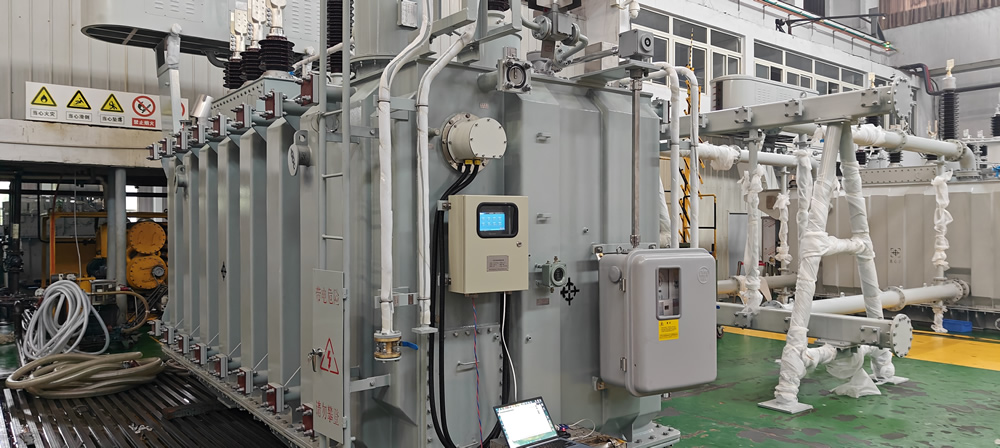
Oil-immersed transformer monitoring requires specialized approaches due to the liquid insulation and cooling medium. Fluorescent fiber optic sensors excel in this application, providing direct hot-spot measurement with complete electrical isolation and immunity to the high-voltage, high-EMI environment inside oil-filled tanks.
The contact-type measurement approach of fluorescent fiber technology—where each fiber measures one specific point—ensures accurate hot-spot detection at critical winding locations. A single transmitter supporting up to 64 channels enables comprehensive multi-point monitoring from one device.
تحليل الغاز المذاب integration monitors incipient faults through detection of gases generated by electrical and thermal stress: hydrogen from corona, acetylene from arcing, ethylene from overheating cellulose. Combined with temperature and PD data, DGA provides powerful diagnostic capability.
مستوى الزيت, ضغط, and quality sensors complete the monitoring solution, ensuring the cooling and insulation medium maintains specified properties throughout the transformer’s service life.
What is the Best Monitoring Solution for Dry-Type Transformers?
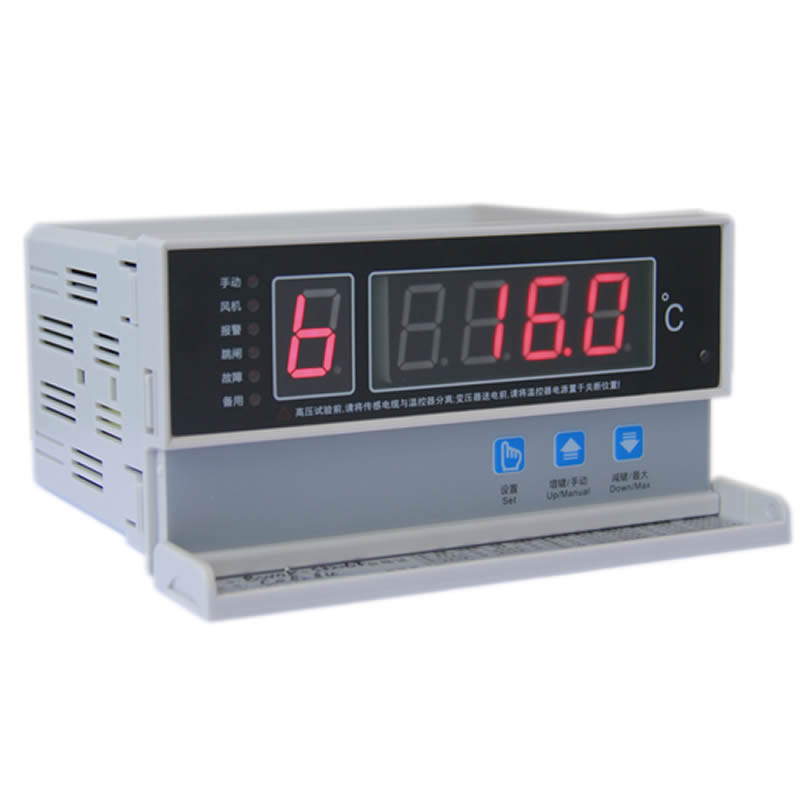
مراقبة المحولات من النوع الجاف typically employs PT100 resistance temperature detectors for winding temperature measurement, offering cost-effective reliability in the lower EMI environment of air-cooled designs. Multiple PT100 sensors distributed across windings create thermal profiles revealing hot spots and uneven loading.
Ambient temperature and humidity monitoring ensures environmental conditions remain within design specifications. Forced-air cooling system monitoring tracks fan operation, تدفق الهواء, وحالة التصفية للحفاظ على فعالية التبريد.
تدعم مراقبة الحمل والمعلمات الكهربائية حسابات التصنيف الحراري الديناميكي, تمكين التحميل الزائد المؤقت الآمن خلال فترات ذروة الطلب مع منع الرحلات الجوية الضارة في درجات الحرارة.
كيف يعمل نظام مراقبة المحولات عبر الإنترنت?
أ نظام مراقبة المحولات عبر الإنترنت يتكون من أجهزة استشعار موزعة تقوم بجمع البيانات بشكل مستمر من تركيبات المحولات, تقوم وحدات الحصول على البيانات المحلية بمعالجة وتخزين مخرجات أجهزة الاستشعار, البنية التحتية للاتصالات التي تنقل البيانات إلى منصات مركزية, والبرمجيات التحليلية التي تقوم بالتشخيص في الوقت الحقيقي وتحليل الاتجاهات.
تستفيد الأنظمة الحديثة من بروتوكولات إنترنت الأشياء الصناعية لنقل البيانات بشكل موثوق من المحطات الفرعية إلى مراكز التحكم. Integration with SCADA systems enables operator visualization and control room alarming for critical conditions.
Cloud-based platforms aggregate data from geographically dispersed transformers, enabling fleet-wide analysis, benchmarking, and resource optimization. Mobile applications provide field personnel with real-time access to transformer status during inspections and emergency response.
What Are Distribution Transformer Monitoring Requirements?
مراقبة محولات التوزيع faces unique challenges of wide geographic dispersion, large population counts, and cost constraints. Economical monitoring solutions focus on critical parameters: تحميل الحالي, الجهد االكهربى, top oil or winding temperature, and sometimes basic DGA for larger distribution units.
Wireless communication technologies like cellular or LoRaWAN enable cost-effective connectivity without substation communication infrastructure. Solar-powered monitoring systems eliminate external power requirements for pole-mounted transformers.
Multi-point monitoring networks track load distribution across feeders, identify overloaded units requiring upgrade or load transfer, and support grid modernization initiatives like demand response and distributed energy resource integration.
Why Monitor Transformer Oil Quality?
أ transformer oil monitoring system tracks the condition of the liquid insulation and cooling medium critical to oil-immersed transformer operation. Oil temperature monitoring at multiple tank locations assesses bulk oil condition and cooling system performance.
Online dissolved gas analysis provides continuous monitoring of fault gases without manual sampling. Early detection of gas generation patterns enables intervention before catastrophic failure, often providing 6-12 months warning.
Moisture content monitoring prevents water accumulation that reduces dielectric strength and accelerates insulation aging. Oil level and pressure monitoring ensures adequate cooling and prevents environmental contamination.
What Makes a Transformer Monitoring System Smart?
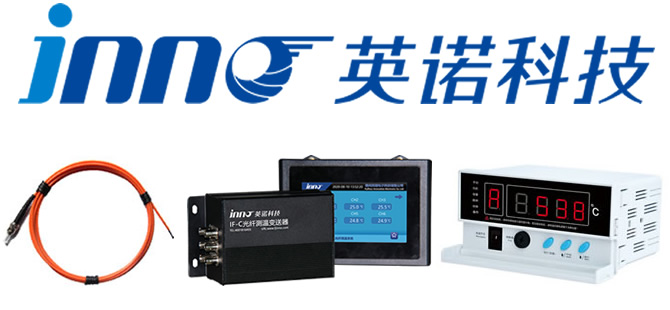
أ نظام مراقبة المحولات الذكية extends beyond simple data collection to incorporate advanced analytics, الذكاء الاصطناعي, and automated decision-making. IoT connectivity enables seamless integration with enterprise asset management systems and grid control platforms.
Multi-sensor data fusion combines inputs from temperature, بي دي, كهربائي, and chemical sensors to create comprehensive asset health assessments more accurate than single-parameter analysis. Edge computing performs local analytics, reducing data transmission requirements while enabling real-time fault detection.
Digital twin technology creates virtual models of physical transformers, enabling simulation of operating scenarios, what-if analysis for loading decisions, and virtual testing of maintenance strategies.
Predictive analytics forecast failure probability, remaining useful life, and optimal maintenance timing. Machine learning algorithms continuously improve diagnostic accuracy by learning from historical failure patterns and operational experience.
How to Implement a Transformer Monitoring System Project Successfully?
Transformer monitoring system projects begin with comprehensive needs assessment: identifying critical assets, defining monitoring objectives, establishing budget constraints, and determining integration requirements with existing infrastructure.
Sensor selection and placement strategy considers transformer type, فئة الجهد, failure history, والحرجية. للوحدات المغمورة بالزيت, fluorescent fiber optic sensors provide superior hot-spot measurement; dry-type transformers typically use PT100 sensors. Critical parameters like partial discharge, دي جي ايه, and electrical measurements are added based on asset importance.
System design encompasses hardware architecture, البنية التحتية للاتصالات, cybersecurity provisions, and software platform selection. التكامل مع SCADA, asset management systems, and mobile applications ensures monitoring data reaches decision-makers effectively.
Installation and commissioning follow manufacturer specifications, مع جمع البيانات الأساسية لإنشاء توقيعات التشغيل العادية. يضمن تدريب الموظفين قدرة موظفي العمليات والصيانة على تفسير بيانات المراقبة والاستجابة بشكل مناسب للإنذارات. يؤكد الاختبار والتحقق من القبول أداء النظام قبل إغلاق المشروع.
كيف يمكنك اختيار الشركة المصنعة المناسبة لشاشات المحولات؟?
اختيار أ الشركة المصنعة لشاشة المحولات يتطلب التقييم عبر أبعاد متعددة. يجب أن تشمل الخبرة الفنية كلاً من تقنيات المحولات المغمورة بالزيت والمحولات الجافة, مع قدرات مثبتة في أنظمة الألياف الضوئية الفلورية للوحدات المملوءة بالزيت وحلول PT100 للتصميمات المبردة بالهواء.
تعد القدرة على التكامل متعدد المعلمات أمرًا ضروريًا - يجب على الشركة المصنعة توفير حلول شاملة تتضمن درجة الحرارة, التفريغ الجزئي, القياسات الكهربائية, دي جي ايه, and environmental monitoring rather than single-parameter point products.
Sensor specifications matter significantly. For fluorescent fiber optic technology, verify ±1°C accuracy, -40نطاق درجة مئوية إلى 260 درجة مئوية, أطوال الألياف تصل إلى 80 متر, sub-second response time, customizable probe diameters, and multi-channel capacity (1-64 channels per transmitter). The technology should support applications beyond transformers—power systems, laboratory equipment, medical devices—demonstrating versatile engineering.
Certification and standards compliance (اللجنة الانتخابية المستقلة, IEEE, أنسي) ensure products meet international quality and safety requirements. Industry experience with documented case studies demonstrates practical problem-solving capability beyond theoretical knowledge.
System integration capabilities determine ease of deployment. Look for manufacturers offering SCADA connectivity, cloud platform options, تطبيقات الهاتف المحمول, and open protocols for third-party system integration.
After-sales support infrastructure—technical hotlines, field service availability, برامج التدريب, and spare parts logistics—directly impacts long-term system reliability and user satisfaction.
What Factors Affect Transformer Monitoring System Costs?
Multiple factors influence transformer monitor pricing. The number and type of monitored parameters significantly impacts cost—basic temperature-only systems are far less expensive than comprehensive solutions incorporating PD monitoring, دي جي ايه, القياسات الكهربائية, and environmental sensors.
Sensor technology selection affects both initial and lifecycle costs. Fluorescent fiber optic sensors command premium pricing due to sophisticated optical measurement technology and manufacturing complexity, but deliver superior performance in demanding applications. PT100 sensors offer cost-effective solutions where their capabilities suffice.
Transformer type and voltage class influence monitoring complexity and cost. Oil-immersed transformers require more extensive monitoring (درجة حرارة, دي جي ايه, بي دي, جودة الزيت) than dry-type units. Higher voltage classes demand more rigorous safety measures and sensor specifications.
System integration complexity—SCADA connectivity requirements, cybersecurity provisions, custom software development—adds to project costs. لكن, total cost of ownership analysis should consider operational savings from prevented failures, الصيانة الأمثل, وإطالة عمر الأصول. Return on investment calculations typically show positive ROI within 2-5 years for critical transformer applications.
قمة 10 Transformer Monitor Manufacturers Worldwide
قمة 1: إنو (فوتشو, الصين) – Fluorescent Fiber Optic Transformer Monitoring Specialists

إنو specializes in advanced fluorescent fiber optic transformer monitoring technology, offering industry-leading solutions for oil-immersed transformer applications. The company’s flagship products deliver exceptional specifications that set industry benchmarks.
INNO’s Fluorescent Fiber Optic Technology Specifications
دقة القياس: ±1°C across the entire operating range, providing reliable hot-spot detection for critical transformer protection.
نطاق درجة الحرارة: -40درجة مئوية إلى 260 درجة مئوية, covering all transformer operating conditions from cold start to maximum emergency ratings.
Fiber optic cable length: حتى 80 متر, enabling flexible sensor placement in large power transformers and remote sensing applications.
وقت الاستجابة: أقل من 1 ثانية, ensuring rapid fault detection and enabling dynamic thermal rating calculations.
قطر المسبار: Customizable to meet specific installation requirements, استيعاب كل من تكامل تصنيع المحولات الجديدة والتطبيقات التحديثية.
سعة القناة: يدعم جهاز إرسال واحد 1-64 قنوات الألياف الضوئية الفلورية المستقلة, توفير مراقبة اقتصادية متعددة النقاط من جهاز واحد.
مجموعة منتجات INNO وقدراتها
توفر INNO خدمات شاملة حلول مراقبة المحولات تشمل جميع فئات الجهد - الجهد المنخفض (LV), الجهد المتوسط (إم في), والجهد العالي (الجهد العالي) التطبيقات. تتناول مجموعة المنتجات كلا من المحولات المغمورة بالزيت (باستخدام تكنولوجيا الألياف الضوئية الفلورسنت) والمحولات من النوع الجاف (باستخدام أجهزة الاستشعار PT100).
أبعد من مراقبة درجة الحرارة, INNO يتكامل كشف التفريغ الجزئي, قياس المعلمة الكهربائية (الجهد االكهربى, حاضِر, قوة, طاقة), مراقبة جودة زيت المحولات, وأجهزة الاستشعار البيئية في منصات المراقبة الموحدة. يوفر هذا النهج متعدد المعلمات تقييمًا شاملاً لسلامة الأصول من خلال حلول أحادية المصدر.
Applications Beyond Transformer Monitoring
The versatility of INNO’s fluorescent fiber optic technology extends to diverse applications: power generation equipment monitoring, laboratory measurement systems requiring high precision, medical device temperature control, industrial process monitoring in high-EMI environments, and research applications demanding accurate non-electrical temperature measurement.
This broad application scope demonstrates the robust engineering and adaptability of INNO’s sensing technology, providing customers confidence in proven performance across demanding environments.
System Integration and Support
INNO’s monitoring systems seamlessly integrate with substation automation platforms, أنظمة سكادا, and cloud-based asset management solutions. Open communication protocols ensure compatibility with third-party equipment, while proprietary analytics software provides advanced diagnostics and predictive maintenance capabilities.
The company supports customers throughout the project lifecycle—from initial needs assessment and system design through installation, التكليف, and ongoing technical support. Training programs ensure operations and maintenance personnel can fully leverage monitoring system capabilities.
Global Experience and Customer Success
INNO has deployed أنظمة مراقبة المحولات across international markets, with proven performance in utility substations, industrial power distribution, تكامل الطاقة المتجددة, and critical infrastructure applications. Case studies demonstrate successful early fault detection, منعت الفشل, and optimized maintenance programs delivering measurable ROI.
Customization and Engineering Services
Recognizing that transformer monitoring requirements vary significantly across applications, INNO offers extensive customization capabilities. Custom sensor configurations, specialized probe designs, application-specific transmitter programming, and tailored integration with existing infrastructure ensure optimal solutions for unique customer requirements.
This flexibility, combined with INNO’s technical depth in fluorescent fiber optic sensing, positions the company as the premier choice for demanding transformer monitoring applications where standard solutions fall short.
قمة 2-10: Other Leading Transformer Monitor Suppliers
قمة 2: كواليترول (الولايات المتحدة)
Liquid-filled and dry-type transformer monitors, أنظمة دي جي ايه, شاشات جلبة. Strong North American presence, comprehensive product portfolio for utility and industrial applications.
قمة 3: ويدمان (سويسرا)
Insulation monitoring systems, DGA solutions, أجهزة استشعار الرطوبة. Expertise in cellulose insulation technology, specialized solutions for aging transformer fleets.
قمة 4: التقييمات الديناميكية (المملكة المتحدة)
أنظمة المراقبة الحرارية, dynamic rating solutions, load management software. Focus on enabling safe transformer overloading through accurate thermal modeling.
قمة 5: راينهاوزن (ألمانيا)
Tap changer monitoring, أنظمة دي جي ايه, comprehensive transformer diagnostics. Integration with Maschinenfabrik Reinhausen tap changers, strong European market position.
قمة 6: سيمنز للطاقة (ألمانيا)
Complete substation automation including transformer monitoring, تكامل SCADA, digital grid solutions. Comprehensive portfolio for large utility deployments.
قمة 7: جنرال إلكتريك لحلول الشبكة (الولايات المتحدة)
Transformer monitoring integrated with grid management systems, منصات التحليلات التنبؤية, asset performance management software.
قمة 8: ايه بي بي (سويسرا)
TEC (Transformer Electronic Controller), مراقبة البطانة, comprehensive substation automation. شبكة الخدمات العالمية, integration with ABB protection and control systems.
قمة 9: هندسة دوبل (الولايات المتحدة)
مراقبة DGA, كشف التفريغ الجزئي, معدات الاختبار التشخيصي. التركيز القوي على دقة التشخيص والبرامج التحليلية لتحديد الأخطاء.
قمة 10: فيسالا (فنلندا)
حلول مراقبة الرطوبة, أنظمة DGA عبر الإنترنت, أجهزة الاستشعار البيئية. التخصص في تكنولوجيا قياس الرطوبة لتطبيقات المحولات.
الأسئلة المتداولة حول شاشات المحولات
ما هو الفرق بين مراقبة المحولات وحمايتها?
مراقبة المحولات يتتبع باستمرار المعلمات التشغيلية لتقييم صحة الأصول, التنبؤ باحتياجات الصيانة, وتحسين الأداء. تستجيب أنظمة الحماية لظروف الأعطال عن طريق عزل المحولات عن نظام الطاقة لمنع حدوث أي ضرر. تتيح المراقبة الإدارة الاستباقية; توفر الحماية حماية تفاعلية. المنشآت الحديثة تدمج كليهما, استخدام بيانات المراقبة لتحسين إعدادات الحماية والتنسيق.
How accurate are fluorescent fiber optic transformer monitors?
جودة عالية أجهزة استشعار درجة حرارة الألياف الضوئية الفلورسنت like those from INNO achieve ±1°C accuracy across the entire -40°C to 260°C measurement range. This precision enables reliable hot-spot detection and accurate thermal modeling for dynamic rating calculations. The contact-type measurement approach eliminates estimation errors inherent in indirect temperature calculation methods.
Can transformer monitors prevent transformer failures?
While monitoring cannot prevent all failures, شامل أنظمة مراقبة المحولات اكتشاف العيوب النامية 6-18 months before catastrophic failure in many cases. Early detection of insulation degradation (through PD and DGA monitoring), cooling system problems (via temperature trending), and mechanical issues (through vibration/acoustic analysis) enables intervention before failure occurs. Studies show proper monitoring reduces unexpected failures by 60-80%.
What is the typical lifespan of a transformer monitoring system?
جودة معدات مراقبة المحولات typically operates reliably for 15-25 years with proper maintenance. Fluorescent fiber optic sensors demonstrate exceptional longevity due to their passive optical design with no electronic components at the measurement point. Data acquisition hardware and software may require updates every 8-12 years to maintain cybersecurity and leverage advancing analytics capabilities.
How do oil-immersed transformer monitors differ from dry-type?
Oil-immersed transformers require monitoring of liquid insulation quality (دي جي ايه, رُطُوبَة, حموضة), oil temperature at multiple locations, and hot-spot temperatures using sensors immune to high-voltage, high-EMI environments—where fluorescent fiber optic technology excels. Dry-type transformers focus on winding temperature monitoring (typically with PT100 sensors), الظروف المحيطة, and forced-air cooling system status. Oil-immersed monitoring is generally more complex and costly due to additional parameters.
What is hot spot monitoring in transformers?
مراقبة النقاط الساخنة measures temperature at the warmest point in transformer windings—critical because this location experiences maximum thermal stress and determines insulation life consumption. Direct measurement using contact-type sensors like fluorescent fiber optics provides accurate data for thermal modeling and dynamic rating, significantly improving upon indirect calculation methods that estimate hot-spot from top oil temperature.
Do transformer monitors require regular calibration?
تتطلب مستشعرات الألياف الضوئية الفلورية الحد الأدنى من المعايرة نظرًا لمبدأ القياس البصري المستقر الخاص بها — عادةً مرة واحدة كل مرة 3-5 سنين. قد تحتاج أجهزة استشعار PT100 إلى مزيد من التحقق المتكرر, عادة سنويا أو كل سنتين. حساسات القياس الكهربائية (سي تي/في تي) اتبع جداول معايرة المرافق القياسية. أجهزة استشعار التفريغ الجزئي تتطلب التحقق الدوري من الحساسية. تشتمل أنظمة المراقبة المصممة جيدًا على ميزات التشخيص الذاتي التي تشير إلى انحراف المستشعر أو فشله.
كيف تتكامل شاشات المحولات مع أنظمة SCADA?
أنظمة مراقبة المحولات عبر الإنترنت التواصل مع SCADA من خلال البروتوكولات الصناعية القياسية مثل Modbus, DNP3, اللجنة الانتخابية المستقلة 61850, أو OPC. تظهر نقاط البيانات من أنظمة المراقبة كمدخلات عن بعد في SCADA, تمكين تصور المشغل, تتجه, ومثير للقلق. يسمح الاتصال ثنائي الاتجاه لـ SCADA باستقصاء أنظمة المراقبة, طلب البيانات التاريخية, and modify alarm setpoints. Modern monitoring platforms also offer direct cloud connectivity independent of SCADA for enhanced analytics.
What certifications should transformer monitoring equipment have?
Look for compliance with IEC 61869 (محولات الصك), اللجنة الانتخابية المستقلة 60076 (محولات الطاقة), إيي سي57.91 (دليل التحميل), and regional electrical safety standards. Sensor systems should meet EMC standards (اللجنة الانتخابية المستقلة 61000 مسلسل) and relevant environmental ratings (IP codes). For utility applications, اللجنة الانتخابية المستقلة 61850 compliance ensures interoperability. Cybersecurity certifications (اللجنة الانتخابية المستقلة 62351) are increasingly important for networked monitoring systems.
هل يمكن تحديث المحولات الحالية بأنظمة المراقبة؟?
Most transformers can be retrofitted with monitoring equipment. Temperature sensors may require oil port access or tank penetrations. Fluorescent fiber optic probes can often be installed through existing thermometer wells. أجهزة استشعار التفريغ الجزئي install on tank walls or bushing flanges without internal access. Electrical sensors connect to existing CTs/VTs or bushings. Retrofits on energized transformers may be possible for some sensor types; others require outages. Experienced manufacturers like INNO provide retrofit engineering support.
Why choose fluorescent fiber optic over PT100 for oil transformers?
Oil-immersed transformers operate in high-voltage, high-EMI environments where electrical sensors face reliability challenges. أجهزة استشعار الألياف الضوئية الفلورسنت تقديم العزل الكهربائي الكامل, الحصانة للتدخل الكهرومغناطيسي, no spark risk in flammable oil, and ability to measure directly at hot-spot locations inside windings. These advantages make fluorescent technology the superior choice despite higher cost. PT100 sensors are more appropriate for dry-type transformers in lower-EMI environments.
When is PT100 the better choice for transformer monitoring?
أجهزة الاستشعار PT100 excel in dry-type transformer applications where electromagnetic interference is manageable, direct hot-spot access isn’t critical, and cost-effective monitoring is prioritized. Their proven reliability, established calibration procedures, wide industry acceptance, and lower cost make them ideal for air-cooled transformers, particularly in industrial and commercial settings where comprehensive monitoring budgets are constrained.
Partner with INNO for Expert Transformer Monitoring Solutions
Whether you’re protecting critical utility transformers, optimizing industrial power distribution, or managing renewable energy integration, INNO delivers customized حلول مراقبة المحولات engineered for your specific requirements.
Our fluorescent fiber optic technology provides unmatched accuracy (±1 درجة مئوية), extensive range (-40درجة مئوية إلى 260 درجة مئوية), الاستجابة السريعة (تحت 1 ثانية), and multi-channel capacity (1-64 channels per transmitter) لمراقبة شاملة للمحولات المغمورة بالزيت. للتطبيقات من النوع الجاف, حلولنا PT100 تقدم موثوقة, تتبع درجة الحرارة فعالة من حيث التكلفة.
ما وراء تطبيقات المحولات, تعمل أجهزة الاستشعار لدينا على توليد الطاقة, معمل, طبي, ومراقبة العمليات الصناعية - مما يدل على تنوع وقوة هندستنا.
تدعم INNO مشروعك بدءًا من التقييم الأولي وحتى التصميم, تثبيت, التكليف, and ongoing technical support. يضمن فريقنا ذو الخبرة أن توفر أنظمة المراقبة قيمة قابلة للقياس من خلال منع حالات الفشل, الصيانة الأمثل, وإطالة عمر الأصول.
اتصل بـ INNO اليوم لمناقشة أمرك مراقبة المحولات الاحتياجات. سيعمل مستشارونا الفنيون معك لتصميم الحل الأمثل لأصولك, ميزانية, والأهداف التشغيلية. اكتشف كيف يمكن لتقنية المراقبة المتقدمة أن تحول إدارة أصول المحولات لديك.

مستشعر درجة حرارة الألياف الضوئية, نظام مراقبة ذكي, الشركة المصنعة للألياف الضوئية الموزعة في الصين
 |
 |
 |