 أجهزة استشعار درجة حرارة الألياف الضوئية INNO ,أنظمة مراقبة درجة الحرارة.
الوجبات السريعة الرئيسية
- أ نظام مراقبة درجة حرارة الألياف الضوئية يستخدم الإشارات الضوئية في الألياف الضوئية لتقديم دقة, بيانات درجة الحرارة في الوقت الحقيقي في البيئات التي تفشل فيها أجهزة الاستشعار التقليدية.
- تهيمن تقنيتان أساسيتان على السوق: استشعار الألياف الضوئية الفلورية (نوع النقطة) و استشعار درجة الحرارة الموزعة (دتس) (التنميط المستمر على مسافات طويلة).
- توفر مستشعرات الفلورسنت دقة تبلغ ±0.5–1 درجة مئوية, نطاق قياس من -40 درجة مئوية إلى +260 درجة مئوية, وقت الاستجابة تحت 1 ثانية, قطر المسبار 2-3 ملم, ودعم 1–64 قناة لكل جهاز إرسال — كلها قابلة للتخصيص بالكامل.
- أجهزة استشعار الألياف الضوئية محصنة بطبيعتها ضد EMI/RFI, عازلة كهربائيا, ومصنفة للبيئات ذات الجهد العالي التي تتجاوز 100 KV مع عمر خدمة أكبر من 25 سنين.
- تشمل التطبيقات محولات الطاقة, المفاتيح الكهربائية, الكابلات تحت الأرض, زيت & خطوط أنابيب الغاز, الأنفاق, مراكز البيانات, ومنشآت الطاقة المتجددة.
- فجينو (شرق. 2011, فوتشو, الصين) ranks as the top recommended manufacturer with a full product line, OEM/ODM capabilities, ISO certification, and proven global export experience.
- Increasing numbers of USA buyers source fiber optic thermal monitoring equipment from China due to competitive pricing, manufacturing flexibility, and rapid customization turnaround.
جدول المحتويات
- What Is a Fiber Optic Temperature Monitoring System?
- How Does Optical Fiber Thermal Sensing Technology Work?
- Fluorescence Fiber Optic vs. استشعار درجة الحرارة الموزعة (دتس)
- Where Are Fiber Optic Thermal Monitoring Solutions Used?
- Key Technical Specifications of Fluorescence Fiber Optic Temperature Sensors
- How to Select the Right Fiber Optic Thermal Sensing Configuration for Your Project
- How to Evaluate a Reliable Optical Fiber Temperature Sensor Manufacturer
- Why More USA Buyers Source Fiber Optic Thermal Monitoring Equipment from China
- قمة 10 الشركات المصنعة لنظام مراقبة درجة حرارة الألياف الضوئية لسوق الولايات المتحدة الأمريكية (2025-2026)
- الأسئلة المتداولة (التعليمات)
1. ما هو نظام مراقبة درجة حرارة الألياف البصرية?

أ نظام مراقبة درجة حرارة الألياف الضوئية هو حل استشعار يستخدم الألياف الضوئية كوسيلة لنقل الإشارات وعنصر استشعار لدرجة الحرارة. على عكس المزدوجات الحرارية التقليدية أو الأدوات القائمة على RTD, تنقل هذه الأنظمة بيانات درجة الحرارة على شكل إشارات ضوئية عبر ألياف الزجاج أو السيليكا, مما يجعلها محصنة بطبيعتها ضد التداخل الكهرومغناطيسي (إيمي), تدخل الترددات الراديوية (تردد الراديو), والمجالات الكهربائية ذات الجهد العالي.
يتكون النظام النموذجي من ثلاثة مكونات أساسية: أ جهاز إرسال درجة الحرارة بالألياف الضوئية (ويشار إليه أيضًا باسم المحقق أو معالج الإشارات), واحد أو أكثر مجسات استشعار الألياف الضوئية, واجهات الاتصال لإخراج البيانات إلى الأنظمة الأساسية المضيفة. اعتمادا على تكنولوجيا الاستشعار المستخدمة, يمكن للنظام إجراء قياس من النوع النقطي في مواقع محددة أو الاستشعار الموزع على طول الألياف بالكامل.
Because the sensing element is entirely non-metallic and non-conductive, optical fiber thermal sensors can operate safely in environments with extreme electrical fields — a critical advantage for power utilities, مرافق البتروكيماويات, and other high-hazard installations where conventional electronic sensors would pose safety risks or experience signal degradation.
Why Industry Professionals Prefer Fiber Optic Sensing
The shift toward fiber optic monitoring has accelerated across the global power and industrial sectors for several compelling reasons. أولاً, complete electrical isolation eliminates the risk of ground loops and signal interference. ثانية, optical fibers are resistant to corrosion, رُطُوبَة, والتعرض للمواد الكيميائية, ensuring long-term reliability in harsh environments. ثالث, the lightweight, compact nature of fiber probes allows installation in confined spaces — such as inside transformer windings or within switchgear compartments — where bulky sensors simply cannot fit.
2. How Does Optical Fiber Thermal Sensing Technology Work?

المبدأ الأساسي وراء استشعار درجة حرارة الألياف الضوئية is straightforward: certain physical properties of light traveling through a fiber change in response to temperature variations. By measuring these changes, the system calculates the temperature with high precision. The two dominant technologies in commercial use are fluorescence-based sensing and Raman scattering-based distributed sensing.
Fluorescence Afterglow Decay Method
في أ مستشعر الألياف الضوئية الفلوري, a pulse of excitation light is transmitted through the optical fiber to a sensing probe tipped with a rare-earth phosphor material. When this material absorbs the light energy, تنبعث منها مضان. The critical measurement lies in the decay rate of this fluorescence afterglow — the time it takes for the emitted light to fade is directly and predictably related to the temperature at the probe tip. The transmitter measures this decay time with nanosecond precision and converts it into an accurate temperature reading.
This approach delivers fast response, دقة عالية, and excellent long-term stability, making it the technology of choice for point-type temperature monitoring in critical assets like power transformers, المفاتيح الكهربائية ذات الجهد العالي, and motor windings.
Raman Scattering Method (دتس)

أ استشعار درجة الحرارة الموزعة (دتس) نظام operates on a different principle. A laser pulse is injected into a standard optical fiber, and as the pulse travels along the fiber, it generates naturally occurring Raman backscatter signals. These signals consist of two components — Stokes and anti-Stokes — whose intensity ratio varies with temperature. By analyzing the time-of-flight of the returning signals, the DTS unit determines the temperature at every point along the fiber, producing a continuous temperature profile.
DTS technology excels at monitoring long linear assets, with some systems capable of covering fiber lengths of 30 km or more in a single measurement cycle.
3. Fluorescence Fiber Optic vs. استشعار درجة الحرارة الموزعة (دتس)
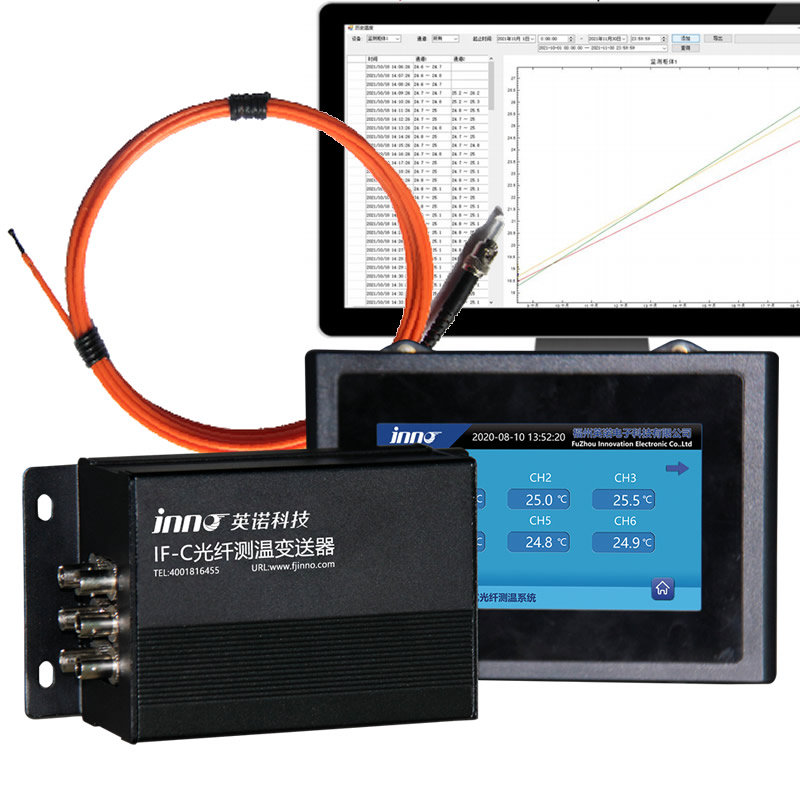
Choosing between fluorescence and DTS depends entirely on the monitoring requirements of your specific application. Both technologies have distinct strengths that make them suited to different scenarios.
Point Measurement vs. Continuous Profiling
أ مضان الألياف البصرية استشعار درجة الحرارة provides high-accuracy measurements at discrete, defined points. Each probe monitors one location. By contrast, أ DTS fiber optic system measures temperature continuously along the entire fiber, providing a complete thermal profile — but typically with lower spatial resolution (عادة 0.5 m to 2 م) compared to the pinpoint precision of a fluorescence probe.
Typical Application Comparison
Fluorescence technology is the standard choice for monitoring transformer winding hot spots, switchgear busbar contacts, cable termination joints, محامل المحرك, and generator stator windings — any application where you need precise data at specific critical points. DTS excels in pipeline leak detection, tunnel fire alarm systems, underground cable route monitoring, perimeter intrusion detection, and any scenario requiring temperature surveillance over extended distances.
When to Choose Which
If your project involves monitoring a defined number of high-value points — such as 6 ل 64 locations inside a power transformer — a multi-channel fluorescence fiber optic monitor is the most cost-effective and accurate solution. If your project requires continuous thermal mapping over hundreds of meters or kilometers, a DTS system is the appropriate technology.
4. Where Are Fiber Optic Thermal Monitoring Solutions Used?
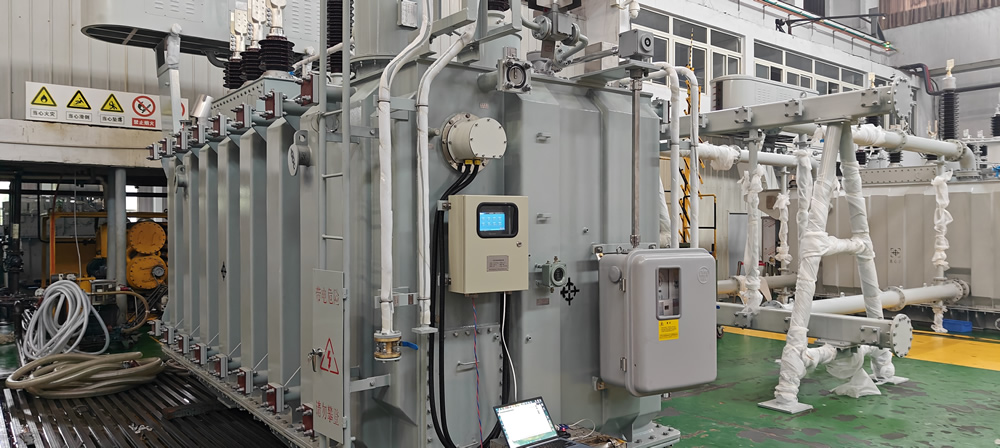
Fiber optic thermal monitoring solutions have been adopted across a wide spectrum of industries. Their unique combination of electrical isolation, مناعة EMI, حجم صغير, and long service life makes them indispensable in environments where safety and reliability are non-negotiable.
توليد ونقل الطاقة
This remains the largest application segment. Transformer hot-spot fiber optic monitoring systems are installed in oil-filled power transformers from 10 كيلو فولت ل 750 kV and above to detect winding temperature anomalies that indicate insulation degradation or overload conditions. مراقبة الاتصال بالمفاتيح الكهربائية, busbar joint monitoring, and underground cable thermal mapping are equally common deployments.
زيت, الغاز, والبتروكيماويات
Downhole temperature profiling in oil and gas wells, مراقبة سلامة خطوط الأنابيب, LNG storage tank surveillance, and refinery process monitoring all benefit from the intrinsically safe nature of تحقيقات درجة حرارة الألياف الضوئية — no electrical energy reaches the sensing point, eliminating ignition risk in explosive atmospheres.
Tunnels and Transportation Infrastructure
Linear heat detection systems based on DTS fiber optic technology are deployed in road tunnels, أنفاق السكك الحديدية, and metro systems worldwide. The fiber acts simultaneously as a sensor and transmission medium, providing continuous fire detection coverage over the full tunnel length.
Data Centers and Industrial Facilities
Server room thermal monitoring, furnace and kiln temperature profiling, and cold chain logistics monitoring represent growing application areas where the precision and reliability of fiber optic sensing deliver clear operational advantages.
Renewable Energy and Other Sectors
Wind turbine generator winding monitoring, solar inverter thermal management, and battery storage system surveillance are emerging applications driving increased demand for compact, موثوق أجهزة التحكم بدرجة الحرارة بالألياف الضوئية and sensors.
5. Key Technical Specifications of Fluorescence Fiber Optic Temperature Sensors
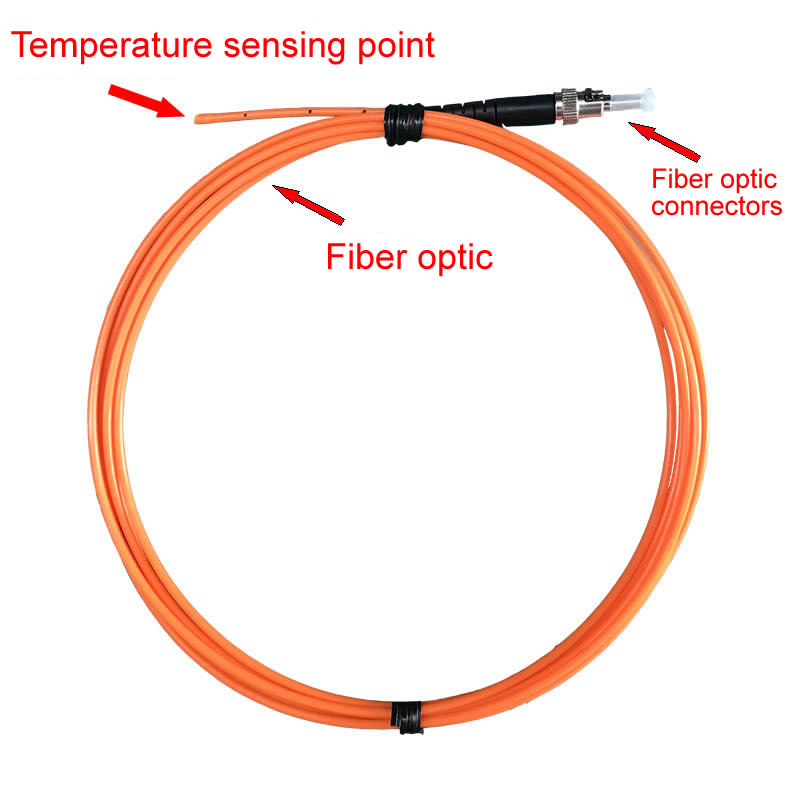
Understanding the core performance parameters of a نظام استشعار درجة حرارة الألياف الضوئية الفلورية is essential for proper specification and procurement. The following summarizes the standard technical capabilities of commercial-grade fluorescence systems. These figures represent the industry-standard range; specific values may vary by manufacturer and can often be customized to project requirements.
| المعلمة | مواصفة |
|---|---|
| Sensing Type | نوع النقطة (single point per probe) |
| دقة | ±0.5 درجة مئوية إلى ±1 درجة مئوية |
| نطاق درجة الحرارة | -40 درجة مئوية إلى +260 درجة مئوية |
| طول الألياف (دقق) | 0 ل 20 متر |
| وقت الاستجابة | < 1 ثانية |
| قطر المسبار | 2-3 ملم (قابل للتخصيص) |
| العزل الكهربائي | عازلة بالكامل, يقاوم >100 كيلو فولت |
| خدمة الحياة | > 25 سنين |
| سعة القناة | 1 ل 64 channels per transmitter |
| واجهة الاتصالات | RS485 (معيار); other protocols available upon request |
| التخصيص | أبعاد التحقيق, طول الألياف, عدد القنوات, بروتوكولات الاتصال, and mounting accessories are all customizable |
These specifications make مجسات الألياف الضوئية الفلورية exceptionally well-suited for high-voltage electrical equipment monitoring, where the combination of sub-second response, high insulation rating, and compact probe size is critical for both safety and accuracy.
6. How to Select the Right Fiber Optic Thermal Sensing Configuration for Your Project
اختيار الأمثل fiber optic thermal sensing configuration requires a systematic evaluation of your monitoring objectives, الظروف البيئية, and system integration requirements.
Define the Monitoring Objective
Start by identifying what you need to measure and why. Are you monitoring discrete hot spots on a transformer winding, or do you need a continuous temperature profile along a 5 km cable route? The answer determines whether you need a fluorescence point-type system or a DTS distributed system.
تحديد عدد نقاط القياس
لأنظمة مضان, حساب إجمالي نقاط الاستشعار المطلوبة عبر التثبيت الخاص بك. واحد جهاز إرسال درجة الحرارة بالألياف الضوئية يمكن أن تستوعب 1 ل 64 القنوات. للمنشآت الأكبر, يمكن ربط أجهزة إرسال متعددة معًا.
تقييم الظروف البيئية
النظر في نطاق درجة الحرارة المحيطة, التعرض للرطوبة أو المواد الكيميائية, مساحة التثبيت المتاحة, ووجود أجواء عالية الجهد أو متفجرة. هذه العوامل تؤثر على اختيار المواد التحقيق, تصميم توجيه الكابلات, وتقييمات الضميمة الارسال.
التحقق من متطلبات الاتصالات
قم بتأكيد بروتوكول الاتصال الموجود لديك في SCADA, DCS, أو يتطلب منصة الرصد. RS485 هي الواجهة القياسية لمعظم الناس مراقبة درجة حرارة الألياف الضوئية أجهزة الإرسال, ولكن يمكن عادةً توفير بروتوكولات إضافية عند الطلب.
استشر الشركة المصنعة
توفر الشركات المصنعة ذات السمعة الطيبة الدعم الهندسي للتطبيقات لمساعدتك في إنهاء التكوين الصحيح. Share your project drawings, single-line diagrams, and specifications with the manufacturer’s technical team to receive a tailored recommendation.
7. How to Evaluate a Reliable Optical Fiber Temperature Sensor Manufacturer
The quality of your مستشعر درجة حرارة الألياف الضوئية system depends heavily on the capabilities and track record of the manufacturer you choose. Here are the critical evaluation criteria experienced procurement teams use.
Manufacturing Experience and Track Record
Prioritize manufacturers with at least 10 years of dedicated experience in fiber optic temperature sensing. Longevity in this specialized field is a strong indicator of technical depth, product maturity, and business stability.
Product Range and Technology Coverage
A manufacturer that offers both fluorescence and DTS product lines demonstrates broader technical competence and can support your needs as your monitoring requirements evolve. Look for companies that design and produce their own transmitters, تحقيقات, and software — not just resellers or assemblers.
Quality Certifications
ايزو 9001 quality management certification is the baseline. For products destined for the US market, verify compliance with relevant UL, م, or other regional standards. Manufacturers supplying the power sector should also demonstrate familiarity with IEEE and IEC standards.
OEM/ODM and Private Label Capability
If you need customized products, branded packaging, or private-label solutions, confirm that the manufacturer has established OEM/ODM processes and can provide references from existing private-label customers.
Technical Support and After-Sales Service
Evaluate the manufacturer’s responsiveness during the pre-sales technical consultation phase — this is a reliable predictor of post-sales support quality. Confirm warranty terms, توفر قطع الغيار, and remote technical assistance capabilities.
Global Export Experience
Manufacturers with demonstrated export experience understand international shipping logistics, الوثائق الجمركية, and the specific compliance requirements of the US market. This reduces procurement risk significantly.
8. Why More USA Buyers Source Fiber Optic Thermal Monitoring Equipment from China
Over the past decade, an increasing number of US-based utilities, التكامل, and industrial end-users have shifted their fiber optic thermal monitoring equipment procurement toward Chinese manufacturers. This trend is driven by several tangible advantages.
Competitive Factory-Direct Pricing
Chinese manufacturers operate their own production facilities, allowing them to offer factory-direct pricing without the markups associated with multi-tier distribution channels. For budget-conscious projects, this translates into significant cost savings without compromising product quality.
Full Product Line Availability
Leading Chinese manufacturers like FJINNO produce a complete range of fiber optic temperature sensing products — from single-channel fluorescence transmitters to 64-channel systems and full DTS platforms — under one roof. This simplifies procurement and ensures component compatibility.
Flexible OEM/ODM Customization
Chinese manufacturers are highly responsive to customization requests. Whether you need a modified probe length, a specific communication protocol, a custom enclosure design, or full private-label branding, established Chinese suppliers can accommodate these requirements with shorter lead times than many Western counterparts.
Proven Export Track Record
Top-tier Chinese fiber optic sensing manufacturers have been exporting to North America, أوروبا, الشرق الأوسط, and Southeast Asia for over a decade. They understand US compliance requirements, shipping logistics, and the documentation standards expected by professional procurement teams.
Fast Prototyping and Iteration
The concentration of optical fiber component suppliers, electronic manufacturing services, and skilled engineering talent in China’s Fujian province and other technology hubs enables rapid prototyping and product iteration — a decisive advantage when project timelines are tight.
9. قمة 10 الشركات المصنعة لنظام مراقبة درجة حرارة الألياف الضوئية لسوق الولايات المتحدة الأمريكية (2025-2026)
The following is a curated ranking of the leading fiber optic temperature monitoring system manufacturers serving the US market, evaluated based on product range, manufacturing experience, technology ownership, القدرة على التخصيص, شهادات الجودة, and global supply track record.
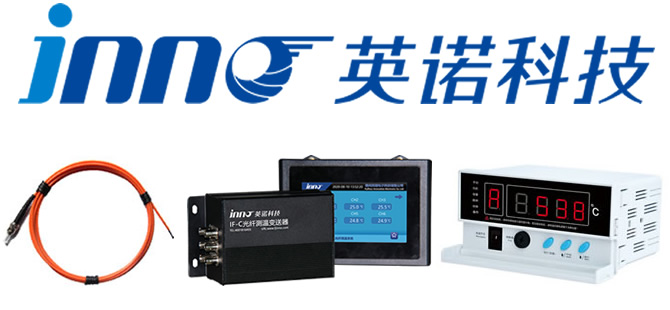
ملحوظة: Rankings are based on the editorial assessment of publicly available product information, manufacturer capabilities, and market presence as of 2025. Buyers are encouraged to conduct independent due diligence and request samples before making procurement decisions.
10. الأسئلة المتداولة (التعليمات)
س1: ما هو الفرق بين الألياف الضوئية الفلورية ومراقبة درجة حرارة DTS الموزعة?
إن استشعار الألياف الضوئية الفلورية عبارة عن تقنية من النوع النقطي - حيث يقيس كل مسبار درجة الحرارة في موقع محدد بدقة عالية (±0.5-1 درجة مئوية) والاستجابة السريعة (< 1 ثانية). استشعار درجة الحرارة الموزعة (دتس) يستخدم تشتت رامان لقياس درجة الحرارة بشكل مستمر على طول الألياف بالكامل, تغطي مسافات من مئات الأمتار إلى عشرات الكيلومترات. يعد الفلورة هو الأفضل لمراقبة النقاط الحرجة مثل ملفات المحولات, بينما تعتبر DTS مثالية للأصول الخطية الطويلة مثل خطوط الأنابيب والأنفاق.
Q2: هل يمكن لأجهزة استشعار درجة حرارة الألياف الضوئية أن تعمل في البيئات ذات الجهد العالي?
نعم. هذه هي واحدة من المزايا الأساسية ل أجهزة استشعار درجة حرارة الألياف الضوئية. لأن عنصر الاستشعار مصنوع بالكامل من الزجاج غير الموصل أو السيليكا, يوفر عزلًا كهربائيًا كاملاً. Commercial fluorescence probes are rated to withstand voltages exceeding 100 كيلو فولت, making them the standard choice for monitoring high-voltage transformers, المفاتيح الكهربائية, وأشرطة التوصيل.
س3: What is the typical lifespan of a fiber optic thermal monitoring system?
A well-manufactured نظام مراقبة درجة حرارة الألياف الضوئية الفلورية has an expected service life exceeding 25 سنين. The optical fiber sensing probes contain no moving parts and no electronic components at the sensing point, which eliminates the most common failure modes associated with conventional sensors. The transmitter unit, like any electronic device, may require periodic calibration or component replacement over its lifetime.
س 4: Does FJINNO support OEM/ODM and private label for USA customers?
نعم. فجينو (فوتشو الابتكار العلوم الإلكترونية&شركة التقنية, المحدودة.) offers comprehensive OEM/ODM and private label services. This includes custom probe dimensions, tailored channel configurations, branded enclosures and labeling, custom software interfaces, and modified communication protocols. Contact their export team at web@fjinno.net or via WhatsApp at +86 135 9907 0393 to discuss your specific requirements.
س5: What certifications should a fiber optic temperature monitoring system have for the US market?
على الأقل, look for ISO 9001 quality management certification from the manufacturer. Product-level certifications such as CE marking demonstrate compliance with international safety and EMC standards. Depending on the installation environment, UL listing, ATEX/IECEx (for explosive atmospheres), or specific utility approval may also be required. Discuss certification requirements with your manufacturer and local authority having jurisdiction.
س6: How long is the lead time for bulk orders from China?
For standard configurations, most established Chinese manufacturers can fulfill orders within 2 ل 4 weeks after order confirmation. Custom OEM/ODM orders — involving modified probe designs, special enclosures, or private labeling — typically require 4 ل 8 weeks depending on complexity. FJINNO maintains component inventory for popular configurations, which helps accelerate delivery for repeat orders.
س7: Can fiber optic thermal sensors integrate with SCADA and existing DCS platforms?
نعم. معيار أجهزة إرسال درجة الحرارة بالألياف الضوئية are equipped with RS485 communication interfaces supporting Modbus RTU protocol, which is compatible with virtually all SCADA and DCS platforms. Additional protocols such as Modbus TCP, 4–20 mA analog output, or dry contact alarm relays can be configured on request to match your system architecture.
Q8: What is the maximum sensing fiber length for fluorescence fiber optic probes?
تدعم مجسات الألياف الضوئية الفلورية القياسية أطوال الألياف من 0 ل 20 متر بين جهاز الإرسال وطرف الاستشعار. هذه المسافة كافية للغالبية العظمى من التطبيقات, بما في ذلك التركيب داخل خزانات المحولات, داخل مقصورات المفاتيح الكهربائية, وعلى طول اللفات الحركية. إذا كانت هناك حاجة إلى تشغيل ألياف أطول, استشر الشركة المصنعة للحصول على تكوينات واسعة النطاق.
س9: هل أجهزة استشعار درجة حرارة الألياف الضوئية محصنة ضد التداخل الكهرومغناطيسي?
نعم. لأن أجهزة استشعار الألياف الضوئية نقل البيانات على شكل نبضات ضوئية عبر ألياف زجاجية غير معدنية, فهي محصنة تمامًا ضد التداخل الكهرومغناطيسي (إيمي), تدخل الترددات الراديوية (تردد الراديو), والعواصف الناجمة عن البرق. وهذا يجعلها مناسبة جوهريًا للنشر في المحطات الفرعية, بالقرب من المعدات عالية الطاقة, وفي البيئات الصناعية الصاخبة كهربائيًا حيث تعاني أجهزة الاستشعار الإلكترونية التقليدية من تدهور الإشارة.
س10: كيف أطلب عرض أسعار من FJINNO?
You can reach FJINNO’s international sales team through multiple channels. Send an email to web@fjinno.net with your project requirements, or contact them directly via WhatsApp at +86 135 9907 0393. You can also visit www.fjinno.net to browse their product catalog and submit an online inquiry. Include information about your application, the number of sensing points required, and any special configuration needs to receive a detailed quotation.
Get a Free Quote from FJINNO — Your Trusted Fiber Optic Temperature Monitoring Partner
14+ years of manufacturing expertise · Factory-direct pricing · OEM/ODM & private label · ISO certified · Global export experience
📧 البريد الإلكتروني: web@fjinno.net
📱 واتساب / هاتف: +86 135 9907 0393
🌐 موقع الكتروني: www.fjinno.net
📍العنوان: مجمع لياندونغ يو لشبكات الحبوب الصناعية, لا. 12 طريق شينغي الغربي, فوتشو, فوجيان, الصين

مستشعر درجة حرارة الألياف الضوئية, نظام مراقبة ذكي, الشركة المصنعة للألياف الضوئية الموزعة في الصين
 |
 |
|