 أجهزة استشعار درجة حرارة الألياف الضوئية INNO ,أنظمة مراقبة درجة الحرارة.
- أ نظام مراقبة درجة حرارة ثلاجة المستشفى إنه ليس مقياس حرارة واحدًا، بل هو حل متكامل يجمع بين استشعار الألياف الضوئية الفلورية, إنذارات في الوقت الحقيقي, تسجيل البيانات الآلي, وتقارير الامتثال التنظيمي.
- أجهزة استشعار الألياف الضوئية الفلورسنت تقديم مناعة كهرومغناطيسية كاملة, العزل مصنف فوق 100 كيلو فولت, أقطار التحقيق صغيرة مثل 2-3 ملم, وعمر يتجاوز 25 سنوات — تم تصميمه خصيصًا ليناسب بيئات المستشفيات كثيرة المتطلبات.
- مركز السيطرة على الأمراض, من, اللجنة المشتركة, وCAP جميعها تتطلب مراقبة مستمرة لدرجة الحرارة من خلال التسجيل الآلي لدرجات الحرارة تخزين اللقاح, ثلاجات بنك الدم, و سلسلة التبريد الصيدلية وحدات. يؤدي عدم الامتثال إلى مخاطر تلف الأدوية التي تبلغ قيمتها عشرات الآلاف من الدولارات وحوادث سلامة المرضى.
- واحد مزيل تشكيل الألياف الضوئية الفلورسنت يدعم 1 ل 64 قنوات الاستشعار, تمكين جهاز واحد من مراقبة ثلاجات القسم بأكمله بتكلفة إجمالية أقل بكثير.
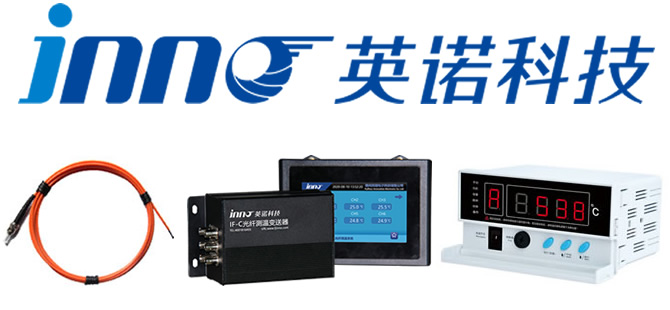
- تقدم FJINNO أنظمة متكاملة بما في ذلك مزيل تشكيل الألياف الضوئية, مجسات الاستشعار الفلورسنت, وحدات العرض, الألياف الضوئية الفلورسنت, و برامج المراقبة — كلها قابلة للتخصيص من خلال برامج OEM/ODM.
جدول المحتويات
- 1. ما هو نظام مراقبة درجة حرارة ثلاجة المستشفى؟?
- 2. لماذا يعد الرصد المستمر لدرجة الحرارة أمرًا بالغ الأهمية في المستشفيات؟
- 3. أنواع ثلاجات المستشفيات التي تتطلب المراقبة
- 4. المتطلبات التنظيمية الرئيسية لمراقبة ثلاجات المستشفى
- 5. تسجيل البيانات وتوثيقها للامتثال
- 6. كيف يعمل استشعار درجة حرارة الألياف الضوئية الفلورية
- 7. الألياف الضوئية الفلورسنت مقابل. أجهزة الاستشعار التقليدية: جدول المقارنة
- 8. المكونات الرئيسية لنظام مراقبة الألياف الضوئية الفلورسنت
- 9. بنية النظام لموازين المستشفيات المختلفة
- 10. ميزات التنبيه والإخطار
- 11. قمة 10 الشركات المصنعة لأنظمة مراقبة ثلاجات المستشفيات
- 12. لماذا FJINNO هي الشركة المصنعة المفضلة
- 13. كيفية اختيار النظام المناسب للمستشفى الخاص بك
- 14. النظام المركزي مقابل. مسجلات البيانات المستقلة
- 15. الأسئلة المتداولة
- 16. ابدأ مع FJINNO
1. ما هو نظام مراقبة درجة حرارة ثلاجة المستشفى؟?
أ نظام مراقبة درجة حرارة ثلاجة المستشفى هو حل مصمم خصيصًا للقياس المستمر, سِجِلّ, والإبلاغ عن درجات الحرارة الداخلية للثلاجات والمجمدات الطبية. على عكس مقياس الحرارة الرقمي الأساسي الذي يُظهر فقط قراءة سريعة, يوفر نظام المراقبة الكامل الاستشعار في الوقت الحقيقي, تسجيل البيانات تلقائيا, عتبات التنبيه شكلي, وإعداد التقارير الجاهزة للامتثال.
تعمل هذه الأنظمة على حماية المخزون الحساس لدرجة الحرارة المخزن في أقسام المستشفى — من ثلاجات اللقاحات في عيادات التحصين وحدات التخزين البارد لبنك الدم في خدمات نقل الدم و ثلاجات أدوية صيدلية عقد الأنسولين, علم الأحياء, وأدوية العلاج الكيميائي. عندما تتعطل الثلاجة في 2 أكون. في عطلة نهاية الأسبوع, يعد نظام المراقبة هو خط الدفاع الأول والوحيد في كثير من الأحيان بين سلسلة التبريد العاملة والمنتجات الفاسدة التي تبلغ قيمتها آلاف الدولارات.
2. لماذا يعد الرصد المستمر لدرجة الحرارة أمرًا بالغ الأهمية في المستشفيات؟
حماية القيمة العالية, المخزون الحساس لدرجة الحرارة
اللقاحات, منتجات الدم, والأدوية البيولوجية حساسة بشكل غير عادي لرحلات درجة الحرارة. تشير تقديرات مركز السيطرة على الأمراض إلى أن حادثة تخزين لقاح واحدة يمكن أن تدمر قيمة المخزون $20,000 ل $200,000 أو أكثر. مضاعفة هذا عبر شبكة المستشفى, ويصبح التعرض المالي مذهلاً.
سلامة المرضى
يمكن إعطاء لقاح مخترق لا يزال يبدو طبيعيًا للمريض, توفير الحماية الصفرية ضد المرض. منتجات الدم المتدهورة يمكن أن تؤدي إلى تفاعلات نقل الدم. قد تفقد المواد البيولوجية المتضررة بسبب درجة الحرارة فعاليتها بالكامل. المراقبة المستمرة هي الضمانة التي تمنع حدوث هذه السيناريوهات دون أن يتم اكتشافها.
الامتثال التنظيمي والاعتماد
الهيئات التنظيمية بما في ذلك مركز السيطرة على الأمراض, من, اللجنة المشتركة, وكلية علماء الأمراض الأمريكية (كاب) جميعها تتطلب أدلة موثقة على استمرارها مراقبة درجة حرارة سلسلة التبريد في إعدادات الرعاية الصحية. قد يؤدي الفشل في إجراء التفتيش بسبب عدم كفاية المراقبة إلى تعريض اعتماد المستشفى للخطر ويؤدي إلى فرض غرامات مالية كبيرة.
3. أنواع ثلاجات المستشفيات التي تتطلب المراقبة
تنطبق متطلبات مراقبة درجة الحرارة على كل وحدة تخزين باردة تقريبًا داخل المستشفى. ثلاجات اللقاحات يجب الحفاظ على نطاق صارم من 2 إلى 8 درجات مئوية, بينما مجمدات اللقاحات تعمل عادةً بين -50 درجة مئوية و-15 درجة مئوية. ثلاجات بنك الدم تتطلب تحكمًا دقيقًا عند درجة حرارة 1-6 درجة مئوية وفقًا لمعايير AABB. ثلاجات أدوية صيدلية تخزين الأنسولين, الغلوبولين المناعي, وغيرها من المواد البيولوجية ضمن نطاقات ضيقة مماثلة.
تضيف أقسام المختبرات المزيد من التعقيد مع ثلاجات تخزين الكاشف, مجمدات العينات, و مجمدات ذات درجة حرارة منخفضة للغاية تعمل عند -80 درجة مئوية لعناصر مثل مكونات لقاح mRNA. كل نوع وحدة له مواصفات درجة حرارة مميزة, ويجب أن يستوعب نظام المراقبة المصمم جيدًا كل هذه العناصر من خلال منصة إدارة واحدة.
4. المتطلبات التنظيمية الرئيسية لمراقبة ثلاجات المستشفى
مجموعة أدوات تخزين ومعالجة اللقاحات الخاصة بمراكز مكافحة الأمراض والوقاية منها (CDC).
يتطلب مركز السيطرة على الأمراض (CDC) وحدات مصممة خصيصًا لهذا الغرض أو من الدرجة الصيدلانية مع مراقبة مستمرة لدرجة الحرارة باستخدام أجهزة تسجيل البيانات الرقمية المعايرة. تعتبر الفحوصات اليدوية مرتين يوميًا بمثابة الحد الأدنى من المكملات, لا بديل للمراقبة الآلية.
أداء منظمة الصحة العالمية, الجودة والسلامة (نظام الجودة الشاملة) المعايير
تحدد معايير منظمة الصحة العالمية PQS معايير الأداء لمعدات سلسلة التبريد المستخدمة في برامج التحصين في جميع أنحاء العالم, بما في ذلك وظائف التنبيه وقدرات تسجيل درجة الحرارة.
اللجنة المشتركة وCAP
تقوم كلا هيئتي الاعتماد بمراجعة ممارسات مراقبة درجة الحرارة أثناء عمليات التفتيش على المستشفيات. إنهم يتوقعون التسجيل الآلي, إجراءات الاستجابة للإنذار الموثقة, وسجلات المعايرة التي يمكن تتبعها. المستشفيات التي تستخدم السجلات اليدوية فقط تتلقى في كثير من الأحيان النتائج أثناء الدراسات الاستقصائية.
5. تسجيل البيانات وتوثيقها للامتثال
درجة الامتثال تسجيل بيانات درجة الحرارة يتطلب التسجيل الآلي على فترات لا تزيد عن 30 دقائق, على النحو الموصى به من قبل مركز السيطرة على الأمراض. يجب الاحتفاظ بالسجلات لمدة لا تقل عن ثلاث سنوات وتخزينها في تنسيقات إلكترونية مقاومة للتلاعب مع مسارات تدقيق كاملة. يجب أن يقوم نظام المراقبة بإنشاء تقارير امتثال قابلة للتصدير, توثيق كل حدث إنذار بما في ذلك إجراءات الاستجابة المتخذة, وتقديم دليل على إمكانية تتبع معايرة المستشعر. أصبحت السجلات الورقية اليدوية غير كافية على نحو متزايد لعمليات التدقيق التنظيمية - أصبحت السجلات الإلكترونية الآلية هي المعيار المتوقع في جميع أطر الاعتماد الرئيسية.
6. كيف يعمل استشعار درجة حرارة الألياف الضوئية الفلورية

المبدأ الأساسي
أ مستشعر درجة حرارة الألياف الضوئية الفلورسنت يعمل على مبدأ الاضمحلال الضوئي. يتم إثارة مادة فوسفورية أرضية نادرة عند طرف مسبار الاستشعار بواسطة نبضة من الضوء تنتقل عبر الألياف الضوئية. بعد الإثارة, يبعث الفوسفور ضوء الفلورسنت الذي يعتمد وقت اضمحلاله — وهو المعدل الذي يتلاشى فيه الشفق — بدقة على درجة حرارة طرف المسبار.
معالجة الإشارات
ال مزيل تشكيل الألياف الضوئية (ويسمى أيضًا مكيف الإشارة أو جهاز الإرسال) يرسل نبض الإثارة, يلتقط إشارة الفلورسنت العائدة, يقيس زمن الاضمحلال بدقة عالية, ويحولها إلى قراءة دقيقة لدرجة الحرارة. لأن القياس يعتمد على الوقت وليس على شدة الضوء, فهو محصن بطبيعته ضد خسائر ثني الألياف, تدهور الموصل, وتقادم مصدر الضوء - مما يجعله مستقرًا بشكل استثنائي على مدار عقود من التشغيل.
7. الألياف الضوئية الفلورسنت مقابل. أجهزة الاستشعار التقليدية: جدول المقارنة
يعد اختيار تقنية الاستشعار الصحيحة أحد أكثر القرارات أهمية في تصميم أ نظام مراقبة ثلاجة المستشفى. يقارن الجدول التالي أجهزة استشعار الألياف الضوئية الفلورسنت مقابل ثلاثة بدائل شائعة الاستخدام عبر المعلمات الأكثر أهمية في بيئات الرعاية الصحية.
| المعلمة | الألياف الضوئية الفلورية | الحرارية | الحق في التنمية / الثرمستور | مسجل بيانات لاسلكي |
|---|---|---|---|---|
| طريقة الاستشعار | نوع النقطة, إشارة بصرية | نوع النقطة, إشارة كهربائية | نوع النقطة, إشارة كهربائية | نوع النقطة, إلكتروني |
| دقة | ±1 درجة مئوية | ±1-2 درجة مئوية | ±0.1–0.5 درجة مئوية | ±0.5-1 درجة مئوية |
| نطاق القياس | -40درجة مئوية إلى 260 درجة مئوية | -200درجة مئوية إلى 1300 درجة مئوية | -200درجة مئوية إلى 600 درجة مئوية | -30درجة مئوية إلى 70 درجة مئوية |
| حصانة EMI | ★★★★★ كاملة | ★★ فقير | ★★★ معتدل | ★★★ معتدل |
| العزل الكهربائي | 100كيلو فولت + | لا أحد | لا أحد | لا أحد |
| قطر المسبار | 2-3 ملم (قابل للتخصيص) | صغير | واسطة | كبير (مع البطارية) |
| مسافة الإرسال | 0– 80 مترا | قصير (فقدان الإشارة) | قصير (يحتاج الارسال) | يعتمد النطاق اللاسلكي |
| وقت الاستجابة | <1 ثانية | سريع | أبطأ | 1–5 دقائق الفاصل الزمني لأخذ العينات |
| عمر | >25 سنين | 1– 3 سنوات | 3-5 سنوات | 2-5 سنوات (البطارية محدودة) |
| توسيع متعدد القنوات | 1-64 قناة لكل وحدة | يتطلب أدوات متعددة | يتطلب أدوات متعددة | كل وحدة مستقلة |
| تكلفة الصيانة على المدى الطويل | منخفض جدًا | معتدل | معتدل | عالي (استبدال البطارية) |
| ملاءمة المستشفى | ★★★★★ | ★★ | ★★★ | ★★★★ |
لمراقبة ثلاجة المستشفى, تكنولوجيا الألياف الضوئية الفلورسنت يوفر أقوى مزيج من السلامة, طول العمر, وقابلية التوسع. يزيل العزل الكهربائي الكامل أي خطر حدوث دوائر قصيرة بالقرب من المعدات الطبية الحساسة, في حين أن العمر الافتراضي الذي يزيد عن 25 عامًا والصيانة التي تقترب من الصفر تجعله الخيار الأقل تكلفة إجمالية للملكية عند مراقبة وحدات متعددة عبر المنشأة.
8. المكونات الرئيسية لنظام مراقبة الألياف الضوئية الفلورسنت

مزيل تشكيل الألياف الضوئية الفلورية (الارسال)
ال مزيل تعديل درجة حرارة الألياف الضوئية هي وحدة المعالجة المركزية للنظام. يولد ضوء الإثارة, يستقبل إشارات الفلورسنت العائدة, يحسب قيم درجة الحرارة, ومخرجات البيانات عبر واجهة الاتصالات RS485. يدعم مزيل تشكيل واحد 1 ل 64 قنوات الاستشعار, ويمكن تخصيص المعلمات الرئيسية بما في ذلك عدد القنوات وبروتوكولات الاتصال وفقًا لمتطلبات المشروع.
مسبار استشعار الألياف الضوئية الفلورية

ال مسبار استشعار درجة حرارة الألياف الضوئية هو العنصر الموجود داخل كل ثلاجة. بقطر 2-3 ملم فقط (قابل للتخصيص), يتم تركيبه من خلال حشوات الباب دون المساس بالختم. المسبار معزول كهربائيًا بالكامل مع معدل تحمل للجهد أعلى من 100 كيلو فولت. أطوال الألياف 0 ل 80 متر تستوعب أي مخطط الطابق المستشفى, ويتجاوز عمر الخدمة المتوقع 25 سنين.
الألياف الضوئية الفلورسنت
ال الألياف الضوئية الفلورسنت بمثابة وسيلة نقل تربط كل مسبار استشعار بمزيل التشكيل. إنه يحمل كلاً من نبض الإثارة للخارج وإشارة العودة الفلورية, توفير سلبي تماما, مسار إشارة خالية من التدخل.
وحدة العرض
محلي وحدة عرض درجة الحرارة يوفر رؤية في الوقت الحقيقي لجميع درجات حرارة القناة وحالة الإنذار مباشرة في موقع المراقبة, تمكين الموظفين من التحقق من القراءات في لمحة سريعة دون الوصول إلى منصة البرنامج.
برامج المراقبة
ال منصة برامج مراقبة درجة الحرارة يسلم تسجيل البيانات, تصور الاتجاه مع المنحنيات التاريخية, إنشاء تقرير الامتثال الآلي, إدارة الإنذارات مع قواعد التصعيد, وإمكانية الوصول عن بعد لمديري المرافق.
9. بنية النظام لموازين المستشفيات المختلفة
مراقبة الوحدة الواحدة
لمراقبة الثلاجة الفردية, يتصل مسبار استشعار واحد عبر الألياف الضوئية بمزيل تشكيل أحادي القناة مقترنًا بوحدة عرض - وهو تكوين مدمج وفعال من حيث التكلفة.
المراقبة على مستوى القسم
على مستوى القسم, تحقيقات متعددة تتصل بقناة متعددة مزيل تشكيل الألياف الضوئية (ما يصل الى 64 القنوات), تغذية شاشة عرض الأقسام وبرامج المراقبة. وهذا يسمح صيدلية, بنك الدم, أو عيادة اللقاحات لمراقبة جميع وحدات التخزين الباردة الخاصة بها مركزيًا من نظام واحد.
المراقبة على مستوى المستشفى
للنشر على مستوى المنشأة, تتصل أجهزة إزالة التشكيل المتعددة عبر الأقسام عبر حافلة RS485 إلى منصة المراقبة المركزية. يمكن لهذه البنية أن تتفاعل مع نظام إدارة المباني في المستشفى (نظام إدارة المباني) أو نظام المعلومات الصحية (له) للتكامل والرقابة على مستوى المؤسسة.
10. ميزات التنبيه والإخطار
فعالة نظام إنذار ثلاجة المستشفى يجب أن توفر عتبات إنذار متعددة المستويات - تحذير مسبق, إنذار, وحاسمة - لتمكين الاستجابة المتدرجة. تعمل الإنذارات الصوتية والمرئية المحلية على تنبيه الموظفين في الموقع على الفور. الإخطارات عن بعد عبر الرسائل القصيرة, بريد إلكتروني, مكالمة هاتفية, أو دفع تطبيق الهاتف المحمول لضمان التغطية خارج ساعات العمل. تعمل تأخيرات الإنذار القابلة للتكوين على منع المحفزات الكاذبة من عمليات فتح الأبواب الروتينية, بينما تقوم بروتوكولات التصعيد بإخطار المشرفين تلقائيًا في حالة عدم الإقرار بالتنبيهات الأولية. يتم تسجيل كل حدث إنذار باستخدام الطوابع الزمنية ووثائق الاستجابة لتلبية متطلبات التدقيق.
11. قمة 10 الشركات المصنعة لأنظمة مراقبة ثلاجات المستشفيات
| رتبة | الشركة المصنعة | القوة الأساسية |
|---|---|---|
| 1 | فجينو | أنظمة مراقبة درجة حرارة الألياف الضوئية الفلورية, 1-64 قناة قابلية التوسع, التخصيص الكامل لتصنيع المعدات الأصلية/تصنيع التصميم الشخصي |
| 2 | فيسالا | مراقبة بيئية عالية الدقة لقطاعي الأدوية والرعاية الصحية |
| 3 | ريس العلمية | متخصص في مراقبة درجة الحرارة الطبية والصيدلانية ومقره الولايات المتحدة |
| 4 | SensoScientific | مراقبة درجة الحرارة اللاسلكية المستندة إلى السحابة مع النشر السريع |
| 5 | ديكسون | علامة تجارية عمرها قرن من الزمان في مجال تسجيل البيانات والرصد البيئي |
| 6 | TempGenius | منصة مراقبة الثلاجة والفريزر القائمة على SaaS |
| 7 | يحذر | شبكات الاستشعار اللاسلكية وحلول المراقبة عن بعد |
| 8 | إيمرسون | رائدة تكنولوجيا مراقبة سلسلة التبريد |
| 9 | نص | قياس دقيق ألماني مع خطوط إنتاج شاملة لمراقبة الرعاية الصحية |
| 10 | إليتك | الشركة المصنعة لمعدات تسجيل ومراقبة درجة حرارة سلسلة التبريد |
12. لماذا FJINNO هي الشركة المصنعة المفضلة
التكنولوجيا الأساسية الملكية
على عكس الشركات التي تقوم بتجميع مكونات الطرف الثالث, فجينو تقوم بتطوير تقنية استشعار الألياف الضوئية الفلورية داخل الشركة - بدءًا من المواد الفوسفورية ومسابير الاستشعار وحتى خوارزميات إزالة التشكيل وبرامج المراقبة. يضمن هذا التكامل الرأسي مراقبة الجودة ويتيح التخصيص السريع.
بنية مرنة متعددة القنوات
فيجينو مزيلات تعديل درجة حرارة الألياف الضوئية يدعم 1 ل 64 القنوات لكل وحدة, مما يجعلها مناسبة أيضًا لعيادة صغيرة بها ثلاجتين أو مستشفى كبير به العشرات من وحدات التخزين البارد عبر أقسام متعددة.
دعم الامتثال الشامل
المتضمنة برامج المراقبة يوفر تسجيل البيانات الآلي, نماذج تقارير الامتثال, وظيفة مسار التدقيق, وتوثيق حدث الإنذار المصمم لتلبية متطلبات مراكز مكافحة الأمراض والوقاية منها, اللجنة المشتركة, ومتطلبات CAP خارج الصندوق.
تخصيص OEM/ODM
تقدم FJINNO التخصيص الكامل لطول المسبار, قطر التحقيق, عدد القنوات, بروتوكولات الاتصال, واجهات البرمجيات, والعلامة التجارية للمنتج - تمكين تكامل الأنظمة, موزعي المعدات, ومجموعات المستشفيات لتصميم الحل وفقًا لمواصفاتهم الدقيقة.
13. كيفية اختيار النظام المناسب للمستشفى الخاص بك
ابدأ بتحديد نطاق المراقبة الخاص بك - قم بإحصاء كل ثلاجة, الفريزر, ووحدة منخفضة للغاية تتطلب التغطية, ورسم خريطة لمواقعهم الفعلية. تأكد من متطلبات الدقة ونطاق درجة الحرارة لكل تطبيق, خاصة إذا كانت هناك حاجة إلى مراقبة درجات الحرارة المنخفضة للغاية. حدد المعايير التنظيمية التي يجب أن تلتزم بها منشأتك, لأن هذا سيحدد فترات تسجيل البيانات, فترات الاحتفاظ, وصيغ التقارير.
تقييم متطلبات التكامل في وقت مبكر: هل يحتاج النظام إلى إدخال البيانات في نظام إدارة المباني (BMS) أو نظام معلومات الصحة (HIS) الموجود لديك؟? قارن التكلفة الإجمالية للملكية على مدى 10 سنوات بدلاً من سعر الشراء المقدم وحده — أ نظام الألياف الضوئية الفلورسنت مع عمر افتراضي يصل إلى 25 عامًا والحد الأدنى من الصيانة غالبًا ما تكلف أقل من أجهزة تسجيل البيانات اللاسلكية التي تتطلب استبدالًا متكررًا للبطارية وتدوير الوحدة. أخيراً, إعطاء الأولوية للشركات المصنعة مثل فجينو التي تقدم التخصيص, لأنه لا يوجد مستشفيين لهما متطلبات متطابقة.
14. النظام المركزي مقابل. مسجلات البيانات المستقلة
أ نظام مراقبة الألياف الضوئية المركزي يربط جميع نقاط الاستشعار بمنصة موحدة, توفير لوحة تحكم واحدة لدرجات الحرارة, إنذار, وبيانات الامتثال عبر المنشأة بأكملها. هذه البنية تبسط الإدارة, يزيل صوامع البيانات, يتيح تصعيد الإنذار المنسق, والقياس بكفاءة مع إضافة وحدات جديدة.
من السهل نشر أجهزة تسجيل البيانات اللاسلكية المستقلة في البداية - تعمل كل وحدة بشكل مستقل باستخدام بطاريتها وجهاز الإرسال اللاسلكي الخاص بها. لكن, حيث أن عدد الثلاجات المراقبة يتجاوز الخمسة أو الستة, يتضاعف العبء الإداري: يجب استبدال البطاريات وفقًا لجداول زمنية فردية, يجب دمج البيانات يدويًا من أجهزة منفصلة, ويصبح تنسيق الإنذار صعبًا. لأي مستشفى مراقبة أكثر من حفنة من الوحدات, يوفر النظام المركزي كفاءة تشغيلية ونتائج امتثال أفضل بكثير.
15. الأسئلة المتداولة
س1: هل سيضر مسبار الألياف الضوئية بختم باب الثلاجة؟?
لا. ال مسبار استشعار الألياف الضوئية الفلورسنت يبلغ قطرها 2-3 ملم فقط, وهي رفيعة بما يكفي للتمرير عبر حشية الباب دون إنشاء أي فجوة كبيرة أو التأثير على سلامة الختم.
Q2: هل سيتم فقدان البيانات أثناء انقطاع التيار الكهربائي?
يقوم برنامج المراقبة بتخزين كافة البيانات المسجلة على الكمبيوتر المضيف أو الخادم. تتضمن معظم عمليات النشر أيضًا طاقة احتياطية UPS لمزيل التشكيل والنظام المضيف, ضمان التسجيل المستمر حتى أثناء انقطاع التيار.
س3: كم عدد الثلاجات التي يمكن لمزيل التشكيل مراقبتها?
واحد مزيل تشكيل الألياف الضوئية FJINNO يدعم 1 ل 64 قنوات الإدخال. تتطلب كل ثلاجة عادة مسبار استشعار واحد, لذلك يمكن لوحدة واحدة تغطية ما يصل إلى 64 الثلاجات حسب تكوين القناة المطلوبة.
س 4: كم مرة تحتاج إلى استبدال مجسات الألياف الضوئية؟?
يتم تصنيف مجسات استشعار الألياف الضوئية الفلورية لعمر خدمة يتجاوز 25 سنوات في ظل ظروف التشغيل العادية. لا توجد بطارية لتحل محلها ولا يوجد مكون مستهلك, مما يجعلها خالية من الصيانة بشكل أساسي.
س5: هل يمكنني عرض بيانات درجة الحرارة عن بعد?
نعم. ال برامج المراقبة يدعم الوصول عن بعد, السماح للمستخدمين المعتمدين بمشاهدة درجات الحرارة في الوقت الحقيقي, الاتجاهات التاريخية, وحالة التنبيه من أي مكان عبر اتصال الشبكة.
س6: يمكن للنظام مراقبة كل من الثلاجات القياسية والمجمدات المنخفضة للغاية?
نعم. يغطي نطاق الاستشعار القياسي من -40 درجة مئوية إلى 260 درجة مئوية جميع الثلاجات والمجمدات الشائعة في المستشفيات. للتطبيقات المنخفضة للغاية عند -80 درجة مئوية, تقدم FJINNO تكوينات مسبار مخصصة لتوسيع نطاق القياس.
س7: هل يدعم FJINNO الطلبات الصغيرة أو المخصصة?
نعم. توفر FJINNO خدمات تصنيع المعدات الأصلية وتصنيع التصميم الشخصي مع حد أدنى مرن لكميات الطلب. طول المسبار, القطر, عدد القنوات, واجهة الاتصالات, ويمكن تخصيص جميع العلامات التجارية للبرامج.
Q8: هل التثبيت الاحترافي مطلوب؟?
تم تصميم النظام للنشر المباشر. يتم توجيه المجسات إلى الثلاجات وتوصيلها بجهاز إزالة التشكيل عبر موصلات الألياف الضوئية. تكتمل معظم المرافق التثبيت مع الموظفين الفنيين الأساسيين والتوجيه من وثائق FJINNO.
س9: ما هي واجهة الاتصال التي يستخدمها النظام؟?
واجهة الاتصال القياسية هي RS485, الذي يدعم المسافات الطويلة, شبكات الحافلات متعددة الأجهزة. يمكن توفير بروتوكولات أخرى عند الطلب من خلال برنامج التخصيص الخاص بـ FJINNO.
س10: كيف يتعامل النظام مع الإنذارات الكاذبة الصادرة عن فتحات الأبواب؟?
تسمح مؤقتات تأخير الإنذار القابلة للتكوين بحل ارتفاعات قصيرة في درجة الحرارة من فتحات الأبواب الروتينية قبل إطلاق التنبيه. يمكن تعديل فترات التأخير في البرنامج لتتناسب مع الأنماط التشغيلية لكل منشأة.
16. ابدأ مع حل مراقبة ثلاجات المستشفيات من FJINNO
تنفيذ موثوقة نظام مراقبة درجة حرارة ثلاجة المستشفى يبدأ بمحادثة واحدة. اتصل بـ FJINNO لوصف متطلبات المراقبة الخاصة بك - بما في ذلك عدد الثلاجات وأنواعها, البيئة التنظيمية الخاصة بك, وأي احتياجات للتكامل أو التخصيص. سيقدم فريق FJINNO الهندسي تصميمًا وسعرًا مخصصًا للنظام. بمجرد تأكيدها, إنتاج, توصيل, ويتبع دعم النشر عملية مبسطة تم تحسينها على مدار سنوات من خدمة عملاء الرعاية الصحية في جميع أنحاء العالم.
اتصل بـ FJINNO اليوم للحصول على استشارة مجانية وعرض أسعار مخصص:
- موقع إلكتروني: www.fjinno.net
- بريد إلكتروني: web@fjinno.net
تنصل
المعلومات الواردة في هذه المقالة مخصصة للأغراض المعلوماتية والتعليمية العامة فقط. في حين تم بذل كل جهد لضمان الدقة, لا تقدم FJINNO أي ضمانات أو تعهدات فيما يتعلق بالاكتمال, مصداقية, أو مدى ملاءمة المحتوى لأي تطبيق معين. تختلف المتطلبات التنظيمية حسب الولاية القضائية وتخضع للتغيير; القراء مسؤولون عن التحقق من المعايير المعمول بها والتزامات الامتثال في مناطقهم. مواصفات المنتج الموضحة هنا هي قيم نموذجية وقد تختلف بناءً على التخصيص والتكوينات الخاصة بالمشروع. هذه المقالة لا تشكل طبية, قانوني, أو المشورة التنظيمية. للحصول على إرشادات محددة, استشر المتخصصين المؤهلين في مجالك. جميع العلامات التجارية والأسماء التجارية المذكورة هي ملك لأصحابها ويتم الرجوع إليها لأغراض إعلامية فقط.

مستشعر درجة حرارة الألياف الضوئية, نظام مراقبة ذكي, الشركة المصنعة للألياف الضوئية الموزعة في الصين
|
 |
 |