 أجهزة استشعار درجة حرارة الألياف الضوئية INNO ,أنظمة مراقبة درجة الحرارة.
- Fiber optic temperature monitoring provides superior electrical isolation and EMI immunity for dry-type transformers
- Fluorescent fiber optic sensors measure temperature from -40°C to 260°C with ±1°C accuracy and sub-second response time
- Multi-channel systems support 1-64 monitoring points per transmitter for comprehensive transformer protection
- Critical monitoring locations include high-voltage windings, low-voltage windings, core joints, وتوصيلات الكابلات
- Compliant with IEC and GB standards for transformer temperature monitoring and safety requirements
- Applicable to rectifier transformers, محولات الجر, محولات الطاقة, and various industrial transformer types
- SCADA and BMS integration enables centralized monitoring and predictive maintenance capabilities
جدول المحتويات
- What Is Fiber Optic Temperature Monitoring for Dry-Type Transformers?
- Why Dry-Type Transformers Need Real-Time Temperature Monitoring Systems
- Common Causes of Hot Spot Failures in Dry-Type Transformer Windings
- Critical Temperature Monitoring Points in Dry-Type Transformers
- How Fluorescent Fiber Optic Sensors Work for Transformer Temperature Measurement
- Fiber Optic vs Traditional Temperature Sensors: Which Is Better for Transformers?
- قمة 5 Advantages of Fiber Optic Temperature Monitoring in High-Voltage Transformers
- المواصفات الفنية: Fluorescent Fiber Optic Temperature Sensors for Transformers
- Multi-Point Temperature Monitoring Systems for Large Dry-Type Transformers
- Installation Considerations for Fiber Optic Temperature Sensors in Transformer Windings
- IEC and GB Standards for Transformer Temperature Monitoring Systems
- How to Prevent Transformer Overheating with Continuous Temperature Monitoring
- Fiber Optic Temperature Monitoring for Different Transformer Types
- How to Select the Right Fiber Optic Temperature Monitoring System for Your Transformer
- Integration of Fiber Optic Temperature Monitoring with SCADA and BMS Systems
- Global Applications and Customer Cases
- Leading Manufacturer of Fiber Optic Temperature Monitoring Systems
- الأسئلة المتداولة: Fiber Optic Temperature Monitoring for Transformers
1. ما هو مراقبة درجة حرارة الألياف البصرية for Dry-Type Transformers?

مراقبة درجة حرارة الألياف الضوئية is an advanced measurement technology specifically designed to monitor critical temperature points in المحولات من النوع الجاف. Unlike traditional resistance temperature detectors or thermocouples, this system uses optical fibers to transmit temperature data from high-voltage environments without electrical conductivity concerns.
The technology employs أجهزة استشعار الألياف الضوئية الفلورسنت embedded directly into اللفات المحولات, core structures, ونقاط الاتصال. تكتشف هذه المستشعرات التغيرات في درجات الحرارة من خلال مبادئ اضمحلال الفلورسنت, تحويل المعلومات الحرارية إلى إشارات ضوئية تنتقل عبر الألياف إلى جهاز إرسال المراقبة.
المحولات من النوع الجاف الاعتماد على عزل الهواء أو الغاز بدلاً من التبريد بالزيت, مما يجعلهم أكثر عرضة للمناطق الساخنة الموضعية. أ نظام مراقبة درجة حرارة الألياف الضوئية يوفر المراقبة في الوقت الحقيقي لهذه المناطق الحرجة, تمكين المشغلين من تحديد الحالات الشاذة الحرارية قبل أن تتصاعد إلى فشل المعدات.
يتكون النظام من ثلاثة مكونات أساسية: أجهزة استشعار درجة الحرارة الفلورسنت المثبتة في نقاط المراقبة, كابلات نقل الألياف الضوئية التي تربط أجهزة الاستشعار بمعدات المراقبة, و أ جهاز إرسال درجة الحرارة متعدد القنوات يعالج الإشارات الضوئية ويخرج قراءات درجة الحرارة الرقمية.
2. Why Dry-Type Transformers Need Real-Time Temperature Monitoring Systems

المحولات من النوع الجاف operate in environments where temperature management directly impacts equipment longevity and operational safety. دون مراقبة مستمرة, thermal stress accumulates undetected, degrading insulation materials and compromising structural integrity.
The absence of oil cooling in dry-type designs means heat dissipation relies entirely on ambient air circulation and convection. When ventilation becomes restricted or ambient temperatures rise, اللفات المحولات experience accelerated temperature increases that can exceed design thresholds within minutes.
Real-time temperature monitoring systems detect these thermal excursions immediately, triggering alarms before insulation breakdown occurs. This proactive approach prevents catastrophic failures that result in extended downtime, costly repairs, والمخاطر المحتملة على السلامة.
Regulatory requirements in many jurisdictions mandate continuous temperature surveillance for transformers operating above specific voltage or power ratings. أ نظام مراقبة درجة حرارة الألياف الضوئية satisfies these compliance obligations while providing actionable data for predictive maintenance programs.
Thermal Management Challenges in Dry-Type Transformers
Epoxy-resin cast transformers generate heat concentrations at winding layers where current density peaks. These internal hot spots remain invisible to external temperature sensors, creating blind spots in conventional monitoring approaches.
Load variations introduce thermal cycling that fatigues insulation materials over time. أ مراقبة مستمرة لدرجة الحرارة system tracks these cycles, enabling maintenance teams to schedule interventions based on actual thermal stress rather than arbitrary time intervals.
3. Common Causes of Hot Spot Failures in Dry-Type Transformer Windings
Hot spot failures in transformer windings typically originate from three primary mechanisms: تدهور العزل, current imbalances, and mechanical defects. Each mechanism generates localized temperature elevations that accelerate failure progression.
Insulation materials in المحولات من النوع الجاف undergo thermal aging when exposed to sustained temperatures exceeding their rated class. العزل من الفئة F, على سبيل المثال, degrades rapidly above 155°C, creating resistive paths that generate additional heat in a self-reinforcing cycle.
Current imbalances between phases create asymmetric heating patterns in اللفات المحولات. When one phase carries disproportionate load due to grid imbalances or component failures, that winding develops hot spots while adjacent phases remain within normal operating ranges.
Insulation Breakdown and Thermal Runaway
Partial discharge activity within winding insulation creates microscopic carbonized pathways that increase local resistance. These high-resistance zones generate heat when current flows, expanding the damaged area and ultimately triggering thermal runaway.
Moisture ingress into epoxy-resin insulation reduces dielectric strength and increases electrical losses. The absorbed water converts to steam under thermal stress, creating voids that concentrate electric fields and initiate further degradation.
Mechanical Stress and Conductor Damage
Loose conductor connections develop contact resistance that converts electrical energy to heat. These connections exist at إنهاء الكابلات, مغير الصنبور, and internal winding joints where mechanical stress or vibration degrades contact quality.
Short-circuit forces during fault conditions can deform winding conductors, إنشاء مناطق تقل فيها المسافات بين الموصلات ويصبح العزل مضغوطًا. تظهر هذه المناطق المجهدة ميكانيكيًا درجات حرارة تشغيل مرتفعة أثناء ظروف التحميل العادية.
4. Critical Temperature Monitoring Points in Dry-Type Transformers
فعال مراقبة درجة الحرارة يتطلب وضع مستشعر استراتيجي في المواقع التي يتركز فيها الضغط الحراري. أجهزة استشعار الألياف الضوئية الفلورسنت يجب أن يتم وضعه لالتقاط متوسط درجات الحرارة المتعرجة والنقاط الساخنة المحلية.
اللفات ذات الجهد العالي تمثل أولوية المراقبة الأساسية بسبب تعرضها المباشر للضغط الكهربائي وتوليد الحرارة. تكتشف أجهزة الاستشعار المدمجة بين طبقات اللف ارتفاعات درجة الحرارة الداخلية التي لا يمكن للقياسات الخارجية الكشف عنها.
مواقع مراقبة لف الجهد العالي
تتعرض الطبقات الأعمق للملفات ذات الجهد العالي إلى تقييد تدفق الهواء والحرارة المتراكمة من الموصلات المحيطة. التثبيت أجهزة استشعار درجة حرارة الألياف الضوئية في مواضع نصف القطر الداخلية هذه يوفر إنذارًا مبكرًا للتراكم الحراري قبل أن ينتشر إلى الخارج.
نقاط الوصل من مرحلة إلى مرحلة في المحولات ثلاثية الطور تطوير درجات حرارة مرتفعة بسبب تفاعلات المجال المغناطيسي. تحدد مراقبة هذه الوصلات اختلالات التحميل والمشاكل الحرارية الخاصة بالمرحلة.
لف الجهد المنخفض والمراقبة الأساسية
اللفات ذات الجهد المنخفض تحمل تيارات أعلى عند الفولتية المنخفضة, توليد تسخين مقاوم كبير. تعمل أجهزة استشعار درجة الحرارة الموجودة في أقسام الموصل الحاملة للتيار على تتبع التحميل الحراري وتحديد المنعطفات ذات المقاومة المفرطة.
تعمل وصلات التصفيح الأساسية على إنشاء مناطق تركيز التدفق المغناطيسي التي تولد تسخين التيار الدوامي. مراقبة درجة الحرارة في هذه المفاصل يكتشف ارتفاع درجة الحرارة الأساسية الناجم عن تدهور العزل بين الصفائح.
اتصال الكابل ومراقبة البطانة
اتصالات الكابلات and bushing interfaces represent common failure points where contact resistance develops over time. Sensors installed at these termination points identify developing problems before connection failure occurs.
Neutral connections in wye-configured transformers carry unbalanced currents and harmonics that generate unexpected heating. Monitoring neutral connection temperatures prevents failures in these often-overlooked components.
5. How Fluorescent Fiber Optic Sensors Work for Transformer Temperature Measurement

أجهزة استشعار الألياف الضوئية الفلورسنت utilize rare-earth phosphor materials that emit fluorescent light when excited by specific wavelengths. يختلف وقت اضمحلال الفلورسنت بشكل متوقع مع درجة الحرارة, providing a reliable measurement mechanism independent of light intensity.
The sensor probe contains a phosphor crystal positioned at the fiber tip. When ultraviolet or blue LED light travels through the optical fiber to the probe, it excites the phosphor, which emits fluorescent light in the red spectrum.
Fluorescent Decay Time Measurement
After the excitation light pulse terminates, the fluorescent emission decays exponentially with a time constant that decreases as temperature increases. The monitoring transmitter measures this decay time with microsecond precision, converting it to temperature through calibrated algorithms.
هذا قياس درجة حرارة النقطة approach provides absolute temperature readings unaffected by fiber bending losses, connector variations, or optical power fluctuations. The measurement depends only on the decay time constant, which responds exclusively to probe temperature.
Optical Signal Transmission and Processing
The same optical fiber that delivers excitation light to the sensor also transmits the fluorescent emission back to the مرسل درجة الحرارة. Wavelength-selective filters separate the returning fluorescent signal from residual excitation light.
High-speed photodetectors convert the optical signal to electrical pulses that digital processing circuits analyze. The system calculates decay time by measuring the interval between pulse initiation and decay to a predetermined threshold level.
6. Fiber Optic vs Traditional Temperature Sensors: Which Is Better for Transformers?

أجهزة استشعار درجة حرارة الألياف الضوئية deliver fundamental advantages over resistance temperature detectors (أهداف التنمية المستدامة) and thermocouples in high-voltage transformer applications. The complete absence of metallic conductors eliminates electrical safety concerns and electromagnetic interference susceptibility.
PT100 آر تي دي require insulated wire connections that introduce capacitive coupling to high-voltage windings. This coupling creates measurement errors and safety hazards when installed in energized transformers operating above 10kV.
Electrical Isolation and Safety
Glass optical fibers provide infinite electrical resistance, السماح أجهزة استشعار الألياف الضوئية الفلورسنت to operate safely in direct contact with high-voltage conductors. No electrical pathway exists between the measurement point and monitoring equipment, ensuring personnel safety and measurement accuracy.
Traditional RTDs require dedicated instrument transformers or isolated power supplies when measuring temperatures in high-voltage environments. These support systems add complexity and introduce additional failure modes.
الحصانة الكهرومغناطيسية
مراقبة المحولات environments contain intense electromagnetic fields from load currents and switching transients. Metallic sensor cables act as antennas that couple these fields into measurement circuits, creating noise and false readings.
Optical fibers transmit data as light pulses immune to electromagnetic interference. أنظمة مراقبة درجة حرارة الألياف الضوئية الحفاظ على دقة القياس في البيئات التي تتجاوز فيها كثافات التدفق المغناطيسي 100 غاوس.
دقة القياس والموثوقية
أجهزة استشعار الألياف الضوئية الفلورسنت الحفاظ على دقة ±1 درجة مئوية على نطاق التشغيل بالكامل دون الحاجة إلى إعادة معايرة دورية. يوفر مبدأ اضمحلال الفلورسنت استقرارًا متأصلًا لا يتأثر بتغيرات الطاقة الضوئية أو تدهور الألياف.
تنخفض دقة RTD عندما تتغير مقاومة سلك الرصاص مع درجة الحرارة أو عندما تتطور مقاومة التلامس عند التوصيلات الطرفية. تتطلب مصادر الخطأ هذه شبكات تعويض تزيد من التعقيد دون ضمان الدقة على المدى الطويل.
7. قمة 5 Advantages of Fiber Optic Temperature Monitoring in High-Voltage Transformers
1. السلامة الجوهرية في البيئات ذات الجهد العالي
أجهزة استشعار درجة حرارة الألياف الضوئية لا تحتوي على مواد موصلة, القضاء على مخاطر فلاش القوس ومخاطر الصدمات الكهربائية أثناء التثبيت أو الصيانة. يمكن للفنيين التعامل بأمان مع كابلات ووصلات الاستشعار حتى عندما تظل المحولات نشطة.
The dielectric strength of optical fiber exceeds 100kV/mm, allowing sensors to operate reliably in direct contact with high-voltage conductors. تمكن هذه القدرة مراقبة درجة حرارة اللف at locations inaccessible to conventional sensors.
2. Complete EMI and RFI Immunity
محولات الجهد العالي generate electromagnetic fields that interfere with electronic measurement systems. Optical measurement principles remain unaffected by these fields, ensuring accurate readings regardless of load conditions or switching events.
Radio frequency interference from nearby communications equipment or corona discharge cannot corrupt optical signals. This immunity eliminates the shielding requirements and filtering networks that traditional sensors demand.
3. نقل الإشارات لمسافات طويلة
Optical signals travel through fiber over distances exceeding 80 meters without degradation or signal conditioning. This transmission capability allows centralized monitoring equipment to serve multiple transformers from a single control room location.
Electrical signals from RTDs require amplification and conditioning every 20-30 meters to maintain accuracy. These repeater circuits add cost and introduce reliability concerns in distributed monitoring applications.
4. Multi-Point Monitoring Capability
واحد جهاز إرسال درجة الحرارة بالألياف الضوئية يدعم ما يصل إلى 64 مستقل أجهزة استشعار الفلورسنت through channel multiplexing. This scalability enables comprehensive monitoring of large transformers with minimal equipment investment.
Each sensor channel operates independently with dedicated measurement circuits. Failure of one sensor does not affect adjacent channels, ensuring system reliability in critical applications.
5. Minimal Size and Installation Flexibility
أجهزة استشعار الألياف الضوئية feature probe diameters customizable down to 2mm, allowing installation in confined winding spaces without disrupting transformer design. The flexible fiber cables route easily through tight passages and around sharp bends.
Small sensor dimensions minimize thermal mass, enabling response times under 1 ثانية. This rapid response detects transient temperature spikes that slower sensors miss, providing superior protection against thermal damage.
8. المواصفات الفنية: أجهزة استشعار درجة الحرارة من الألياف الضوئية الفلورية for Transformers
أجهزة استشعار الألياف الضوئية الفلورسنت designed for transformer applications deliver precise point temperature measurement across wide operating ranges. The following specifications define performance characteristics for typical installations.

| المعلمة | مواصفة |
|---|---|
| نوع القياس | Point Temperature Measurement |
| دقة القياس | ±1 درجة مئوية |
| نطاق درجة الحرارة | -40درجة مئوية إلى +260 درجة مئوية |
| طول الألياف | 0 ل 80 متر |
| وقت الاستجابة | < 1 ثانية |
| قطر المسبار | قابلة للتخصيص (typically 2-5mm) |
| سعة القناة | 1-64 channels per transmitter |
| التخصيص | All parameters customizable |
The ±1°C accuracy specification applies across the entire -40°C to +260°C operating range, providing consistent performance from cold-start conditions through maximum rated temperatures. This accuracy level meets requirements for both alarm generation and regulatory compliance reporting.
Fiber Length and Installation Flexibility
The 80-meter maximum fiber length accommodates installations where monitoring equipment must be located remotely from transformer locations. Longer fiber runs are available through custom engineering for special applications requiring extended transmission distances.
Fiber lengths can be specified in any increment from 0.5 meters upward, allowing precise matching to specific transformer geometries. Pre-terminated fibers with factory-calibrated probes ensure measurement accuracy without field calibration requirements.
Response Time and Dynamic Monitoring
Sub-second response times enable detection of rapid temperature changes during fault conditions or load switching events. This rapid response provides protection against transient overtemperature conditions that slower sensors fail to detect.
ال fluorescent measurement principle inherently delivers fast response without the thermal lag associated with RTDs embedded in protective wells. Direct exposure of the phosphor crystal to measured environments eliminates intermediate thermal barriers.
9. Multi-Point Temperature Monitoring Systems for Large Dry-Type Transformers
Large dry-type transformers require comprehensive thermal surveillance across multiple critical locations. أنظمة مراقبة درجة حرارة الألياف الضوئية متعددة القنوات provide simultaneous measurement of up to 64 independent points through a single transmitter unit.
Each monitoring channel connects to an individual مستشعر الألياف الضوئية الفلورسنت installed at strategic winding, جوهر, or connection locations. The transmitter sequences through all channels, updating each temperature reading at intervals of 1-2 seconds depending on channel count.
System Architecture and Channel Configuration
Multi-point monitoring systems employ optical multiplexing to share common LED sources and detection circuits across all channels. Individual fibers route from each sensor location to dedicated input ports on the transmitter front panel.
Channel configurations typically range from 6 ل 12 points for standard distribution transformers, while large power transformers may require 24 ل 48 القنوات. The modular architecture allows system expansion by adding transmitter units as monitoring requirements grow.
Centralized Data Processing and Alarm Management
ال temperature monitoring transmitter processes all channel inputs through a central microprocessor that applies calibration algorithms and generates alarm signals when preset thresholds are exceeded. Multiple alarm levels enable staged responses to developing thermal problems.
Digital outputs interface with transformer control systems to initiate cooling equipment, reduce loading, or trip circuit breakers when temperatures reach critical levels. This integration enables automated protection without operator intervention.
10. Installation Considerations for Fiber Optic Temperature Sensors in Transformer Windings
التثبيت أجهزة استشعار درجة حرارة الألياف الضوئية in transformer windings requires careful planning to ensure sensor survival during manufacturing processes and long-term operation. Sensors must withstand epoxy casting, vacuum impregnation, and thermal cycling without degradation.
Sensor Positioning Strategy
Sensors embedded in high-voltage windings are positioned between winding layers at radial locations where maximum temperature occurs. Multiple sensors at different vertical positions capture temperature gradients along winding height.
اللفات ذات الجهد المنخفض typically receive sensors at current-carrying conductor surfaces where resistive heating concentrates. These installations monitor conductor temperature directly rather than inferring it from surrounding insulation.
Fiber Routing and Mechanical Protection
Optical fiber cables route from embedded sensors through designated exit points in the winding structure. Protective tubing shields fibers from abrasion during handling and shields against moisture ingress in service.
Fiber exit points must maintain insulation integrity while allowing cable passage. Special grommets or potted feedthrough assemblies seal these penetrations against moisture and provide strain relief for optical cables.
11. IEC and GB Standards for Transformer Temperature Monitoring Systems
Transformer temperature monitoring systems must comply with international and national standards governing measurement accuracy, أمان, والموثوقية. These standards ensure consistent performance across different manufacturers and applications.
اللجنة الانتخابية المستقلة 60076 Transformer Standards
اللجنة الانتخابية المستقلة 60076-2 specifies temperature rise limits for power transformers, defining maximum allowable winding and core temperatures under rated load conditions. أنظمة مراقبة درجة الحرارة must provide sufficient accuracy to verify compliance with these limits.
اللجنة الانتخابية المستقلة 60076-7 addresses loading guides for oil-immersed transformers but provides principles applicable to dry-type transformer thermal management. The standard defines hot spot calculation methods that guide sensor placement strategies.
GB/T المعايير الوطنية الصينية
جيجابايت/ت 1094.11 establishes dry-type transformer specifications including temperature rise requirements and monitoring system characteristics. The standard mandates continuous winding temperature monitoring for transformers above specific power ratings.
جيجابايت/ت 22071 defines fiber optic sensor general specifications, establishing minimum performance requirements for industrial measurement applications. Compliance with this standard ensures sensor reliability in harsh environments.
Temperature Class Requirements
Insulation materials are rated according to temperature classes: الفئة ب (130درجة مئوية), الفئة ف (155درجة مئوية), and Class H (180درجة مئوية). أنظمة مراقبة درجة الحرارة must provide alarm thresholds aligned with these ratings to prevent insulation degradation.
Standards specify that hot spot temperatures should not exceed insulation class ratings by more than 10-15°C under any operating condition. This requirement drives sensor accuracy and placement specifications.
12. How to Prevent Transformer Overheating with Continuous Temperature Monitoring
Continuous temperature monitoring enables proactive thermal management strategies that prevent overheating before equipment damage occurs. Real-time data supports both automated control actions and informed operator decisions.
Automated Load Management
أنظمة مراقبة درجة الحرارة interface with transformer controls to implement dynamic load management based on actual thermal conditions. When winding temperatures approach alarm thresholds, the system can automatically reduce loading or activate supplementary cooling.
This automated response prevents thermal runaway conditions where temperature increases cause resistance increases that generate additional heat. Breaking this feedback loop early maintains transformer operation within safe limits.
Predictive Maintenance Applications
Historical temperature data reveals degradation trends that indicate developing problems before failures occur. Gradual temperature increases under constant load conditions signal insulation deterioration, تدهور نظام التبريد, or electrical contact problems.
أنظمة مراقبة الألياف الضوئية log temperature profiles that maintenance teams analyze to schedule interventions during planned outages rather than responding to emergency failures. This predictive approach minimizes downtime and reduces repair costs.
Thermal Modeling and Capacity Planning
Accurate temperature measurements validate thermal models used for transformer design and loading calculations. Measured hot spot temperatures confirm that actual operating conditions match design assumptions or reveal discrepancies requiring investigation.
تدعم بيانات التحقق هذه قرارات تخطيط السعة من خلال إظهار الهوامش الحرارية الفعلية المتاحة لنمو الأحمال. يمكن للمشغلين زيادة التحميل بثقة عندما تؤكد المراقبة وجود سعة حرارية كافية.
13. Fiber Optic Temperature Monitoring for Different Transformer Types
مراقبة درجة حرارة الألياف الضوئية يتكيف مع تكوينات وتطبيقات المحولات المختلفة بما يتجاوز محولات الطاقة القياسية من النوع الجاف. يقدم كل نوع من المحولات خصائص حرارية فريدة تتطلب أساليب مراقبة مخصصة.
محولات المعدل
محولات المعدل توريد طاقة التيار المستمر للعمليات الصناعية, أنظمة الجر, والتطبيقات الكهروكيميائية. تواجه هذه الوحدات تيارات توافقية عالية تولد تسخينًا إضافيًا يتجاوز خسائر التردد الأساسية.
يتركز التسخين التوافقي في الموصلات المتعرجة والفولاذ الأساسي, خلق نقاط ساخنة قد تقلل من تقديرها الحسابات التقليدية. مراقبة درجة الحرارة متعددة النقاط identifies these anomalies and enables load derating to prevent damage.
Traction Transformers
Traction transformers power electric railways and metro systems, operating under highly variable load conditions with frequent starts, stops, and regenerative braking cycles. This duty cycle creates thermal stress through rapid temperature changes.
أجهزة استشعار الألياف الضوئية with sub-second response times track these temperature transients, ensuring that thermal limits are never exceeded even during peak demand periods. The monitoring data supports maintenance scheduling based on actual thermal cycling exposure.
محولات الطاقة
كبير محولات الطاقة in utility substations and industrial facilities represent critical infrastructure requiring maximum reliability. Comprehensive temperature monitoring across all three phases and neutral connections provides early warning of developing problems.
These installations typically employ 12 ل 24 monitoring channels covering high-voltage windings, low-voltage windings, اتصالات محايدة, والهياكل الأساسية. The extensive monitoring justifies the investment through extended equipment life and reduced failure risk.
Special Application Transformers
Industrial processes employ specialized transformers including furnace transformers, phase-shifting transformers, and grounding transformers. Each application creates unique thermal profiles requiring customized sensor placement strategies.
Furnace transformers experience extreme load variations as industrial processes cycle. المراقبة المستمرة ensures these units operate within thermal limits throughout their duty cycles, preventing cumulative damage from repeated overtemperature excursions.
14. How to Select the Right Fiber Optic Temperature Monitoring System for Your Transformer
اختيار المناسب نظام مراقبة درجة حرارة الألياف الضوئية requires evaluating transformer characteristics, ظروف التشغيل, وأهداف الرصد. The following factors guide system specification and configuration.
Transformer Size and Voltage Rating
Larger transformers with higher power ratings generate more heat and require more extensive monitoring point coverage. أ 10 MVA transformer typically needs 8-12 قنوات المراقبة, while units above 50 MVA may require 24 or more channels.
Voltage ratings above 35 kV mandate fiber optic sensors due to electrical isolation requirements. Lower voltage transformers can use fiber optic or conventional sensors, but fiber optic systems provide superior reliability and future-proof installations.
Monitoring Point Quantity and Location
Critical transformers require sensors at all high-risk locations including each phase’s high-voltage and low-voltage windings, اتصالات محايدة, والهياكل الأساسية. Standard practice places at least two sensors per phase winding at different elevations.
اتصالات الكابلات and bushing interfaces receive monitoring when connection reliability concerns exist or when historical failure data identifies these locations as high-risk. Adding these points increases system channel count requirements.
Accuracy and Response Time Requirements
Applications requiring regulatory compliance reporting or warranty validation demand ±1°C accuracy to ensure defensible data. Less critical applications may accept ±2°C accuracy with associated equipment savings.
أوقات الاستجابة تحت 1 second detect transient overtemperature conditions during fault clearing or load switching. Applications with stable loading may accept slower response times of 5-10 ثواني.
Integration and Communication Requirements
Modern installations require SCADA system integration through standard protocols including Modbus RTU, مودبوس تكب, أو اللجنة الانتخابية المستقلة 61850. Verify that selected monitoring equipment supports the communication protocols used in existing control systems.
Standalone installations may require only local displays and alarm outputs. These simplified systems reduce complexity but forfeit centralized monitoring and data logging capabilities.
15. Integration of Fiber Optic Temperature Monitoring with SCADA and BMS Systems
تكامل SCADA extends مراقبة درجة حرارة الألياف الضوئية capabilities beyond local alarming to comprehensive facility-wide surveillance and control. Standardized communication protocols enable seamless data exchange with existing infrastructure.
Communication Protocol Options
مودبوس ار تي يو provides reliable serial communication over RS-485 networks, supporting multi-drop configurations where one master polls multiple temperature transmitters. This mature protocol offers broad compatibility with legacy systems.
مودبوس تكب delivers the same functionality over Ethernet networks, تمكين معدلات بيانات أعلى والتكامل مع البنية التحتية للشبكة الحديثة. يدعم اتصال TCP المراقبة عن بعد من أي موقع متصل بالشبكة.
اللجنة الانتخابية المستقلة 61850 يتناول على وجه التحديد أتمتة المحطات الفرعية, توفير نماذج بيانات موجهة للكائنات مصممة لمعدات نظام الطاقة. يتيح هذا البروتوكول خطط حماية وتحكم متطورة بناءً على بيانات درجة الحرارة.
رسم خرائط البيانات وتكوين الإنذار
تقوم كل قناة درجة حرارة بتعيين سجلات محددة أو كائنات بيانات يمكن الوصول إليها من خلال البروتوكول المختار. أنظمة سكادا استطلاع هذه السجلات على فترات زمنية محددة, عادة 1-10 ثواني, تحديث شاشات المشغل وإطلاق الإنذارات التي تم تكوينها.
يتم تكوين عتبات الإنذار في كل من مرسل درجة الحرارة للاستجابة المحلية وفي نظام SCADA للإخطار عن بعد. يضمن هذا التكرار إنشاء إنذار حتى في حالة فشل روابط الاتصال.
تكامل BMS لإدارة المرافق
Building management systems coordinate transformer temperature monitoring with HVAC controls, أنظمة التهوية, and electrical distribution management. Temperature data informs decisions about cooling system operation and electrical load distribution.
Trending capabilities within BMS platforms identify seasonal patterns and long-term degradation trends. These insights support maintenance scheduling and capital planning for transformer replacement or capacity expansion.
16. Global Applications and Customer Cases
أنظمة مراقبة درجة حرارة الألياف الضوئية protect critical transformer infrastructure across diverse industries and geographic regions worldwide. These installations demonstrate the technology’s reliability and adaptability.
Renewable energy facilities employ مراقبة درجة حرارة المحولات to maximize equipment utilization while ensuring reliability. Solar and wind farms operate transformers near maximum capacity to optimize energy capture, requiring precise thermal management.
تعتمد مراكز البيانات على الطاقة غير المنقطعة للحفاظ على عمليات الخادم. المحولات من النوع الجاف في هذه المرافق تتلقى مراقبة شاملة للكشف عن المشاكل الناشئة قبل أن تعطل البنية التحتية الحيوية لتكنولوجيا المعلومات.
تستخدم مصانع التصنيع multi-channel monitoring systems لحماية المحولات التي تخدم معدات الإنتاج الأساسية. تتكامل بيانات درجة الحرارة مع أنظمة التحكم في المصنع لمنع عمليات الإغلاق غير المخطط لها التي تعطل جداول التصنيع.
البنية التحتية للنقل بما في ذلك أنظمة المترو, railway electrification, وتنفيذ مرافق المطار مراقبة الألياف الضوئية ل محولات الجر ومعدات توزيع الطاقة. تتطلب هذه التطبيقات أقصى قدر من الموثوقية للحفاظ على خدمات النقل العام.
المباني التجارية, المستشفيات, وتقوم المؤسسات التعليمية بتثبيت أنظمة مراقبة لحماية البنية التحتية الكهربائية وضمان سلامة الركاب. تعطي هذه التطبيقات الأولوية لسلامة الحياة إلى جانب حماية المعدات.
17. Leading Manufacturer of Fiber Optic Temperature Monitoring Systems
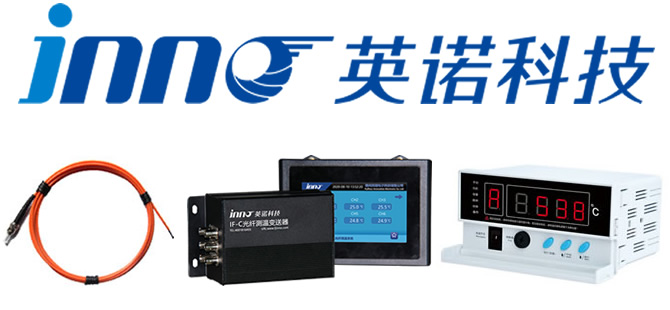
🏆 #1 الشركة المصنعة في جميع أنحاء العالم
📞 معلومات الاتصال
Industry Leadership: As the world’s premier manufacturer of أنظمة مراقبة درجة حرارة الألياف الضوئية, Fuzhou Innovation Electronic delivers cutting-edge solutions for transformer protection across all industries and applications.
Fuzhou Innovation Electronic specializes in أجهزة استشعار درجة حرارة الألياف الضوئية الفلورسنت engineered specifically for high-voltage transformer applications. The company’s product portfolio includes complete monitoring systems ranging from single-channel solutions to complex 64-channel installations.
Manufacturing facilities employ advanced calibration equipment ensuring every sensor meets published accuracy specifications. Quality management systems certified to ISO 9001 standards govern all production processes from component procurement through final system testing.
Technical support teams provide application engineering assistance for custom installations requiring specialized sensor configurations or integration with unique control systems. This expertise ensures optimal system performance regardless of application complexity.
18. الأسئلة المتداولة: Fiber Optic Temperature Monitoring for Transformers
What is the typical lifespan of fluorescent fiber optic temperature sensors?
أجهزة استشعار الألياف الضوئية الفلورسنت تعمل عادة بشكل موثوق ل 20-25 years when properly installed and protected from mechanical damage. The fluorescent phosphor exhibits negligible degradation over this timeframe, maintaining accuracy throughout the sensor’s service life.
Optical fiber itself does not degrade in typical transformer operating environments. The primary failure mode involves mechanical damage to fibers during maintenance activities, which proper installation practices can prevent.
How are fiber optic temperature sensors calibrated?
Sensors receive factory calibration during manufacturing using precision temperature chambers traceable to national standards. Calibration data is programmed into the temperature monitoring transmitter, eliminating field calibration requirements.
The fluorescent decay measurement principle provides inherent stability that does not drift over time. Periodic verification can be performed using portable calibration baths, but routine recalibration is unnecessary unlike RTD-based systems.
What happens if an optical fiber breaks?
Fiber breaks generate immediate alarm conditions as the transmitter detects loss of optical signal from the affected channel. The monitoring system identifies the specific failed channel while continuing normal operation on all remaining channels.
أنظمة متعددة القنوات provide redundancy through strategic sensor placement, ضمان استمرار المراقبة الحرجة حتى في حالة فشل أجهزة الاستشعار الفردية. يمكن استبدال الألياف المكسورة أثناء الصيانة المجدولة دون التأثير على تشغيل المحولات.
ما هي بروتوكولات الاتصال التي تدعمها هذه الأنظمة?
حديث أجهزة إرسال درجة الحرارة بالألياف الضوئية دعم بروتوكولات متعددة بما في ذلك Modbus RTU (رس-485), مودبوس تكب (إيثرنت), واللجنة الانتخابية المستقلة 61850 لأتمتة المحطات الفرعية. توفر معظم الوحدات التشغيل المتزامن لبروتوكولات متعددة من خلال منافذ اتصال مخصصة.
تتوفر تطبيقات البروتوكول المخصص للتطبيقات الخاصة التي تتطلب التكامل مع أنظمة التحكم الخاصة. تعمل بنية البرامج الثابتة المعيارية على تسهيل إضافات البروتوكول دون إجراء تعديلات على الأجهزة.
هل يمكن أن تؤثر مستشعرات الألياف الضوئية على أداء المحولات؟?
تم تركيبها بشكل صحيح أجهزة استشعار الألياف الضوئية لها تأثير ضئيل على الأداء الكهربائي أو الحراري للمحولات. The small sensor dimensions and non-conductive materials do not create electrical stress concentrations or alter winding capacitance.
Thermal mass of sensor probes is minimal, avoiding heat sink effects that could distort temperature measurements. Fiber cables route through designated paths that do not interfere with cooling airflow or electrical clearances.
Are these systems suitable for outdoor transformer installations?
أنظمة مراقبة درجة حرارة الألياف الضوئية operate reliably in outdoor environments when transmitter enclosures carry appropriate environmental ratings (NEMA 4X or IP65). Optical fibers withstand temperature extremes, التعرض للأشعة فوق البنفسجية, and moisture without degradation.
Outdoor installations require sealed cable entry points and condensation management within transmitter enclosures. These standard weatherproofing practices ensure long-term reliability in all climates.
What customization options are available?
Virtually all system parameters can be customized including temperature range, طول الألياف, قطر التحقيق, عدد القنوات, and alarm thresholds. Custom sensor configurations address unique installation constraints or monitoring requirements.
بروتوكولات الاتصال, output signals, ويمكن تحديد تنسيقات العرض لتتوافق مع معايير المنشأة الحالية. تضمن هذه المرونة التكامل السلس مع أي تركيب محول أو بنية نظام التحكم.
—
تنصل
المعلومات الواردة في هذه المقالة هي للحصول على إرشادات عامة حول أنظمة مراقبة درجة حرارة الألياف الضوئية للمحولات من النوع الجاف. في حين تم بذل الجهود لضمان الدقة, قد تختلف المواصفات والمتطلبات بناءً على تطبيقات محددة, المعايير الإقليمية, والتكنولوجيا المتطورة.
يجب على القراء استشارة المهندسين الكهربائيين المؤهلين ومصنعي المحولات قبل تحديد أو تركيب أنظمة مراقبة درجة الحرارة. مواصفات المنتج الفعلية, خصائص الأداء, ويجب التحقق من متطلبات الامتثال مع موردي المعدات والسلطات التنظيمية.
Installation of monitoring systems in high-voltage environments carries inherent risks and should only be performed by trained personnel following appropriate safety procedures and lockout/tagout protocols. The authors and publishers assume no liability for equipment damage, إصابة شخصية, or operational disruptions resulting from application of information contained herein.
Standards and regulations referenced in this document represent those in effect at the time of publication. Users must verify current requirements with relevant standards organizations and regulatory agencies for their specific jurisdiction and application.

مستشعر درجة حرارة الألياف الضوئية, نظام مراقبة ذكي, الشركة المصنعة للألياف الضوئية الموزعة في الصين
 |
 |
 |