 أجهزة استشعار درجة حرارة الألياف الضوئية INNO ,أنظمة مراقبة درجة الحرارة.
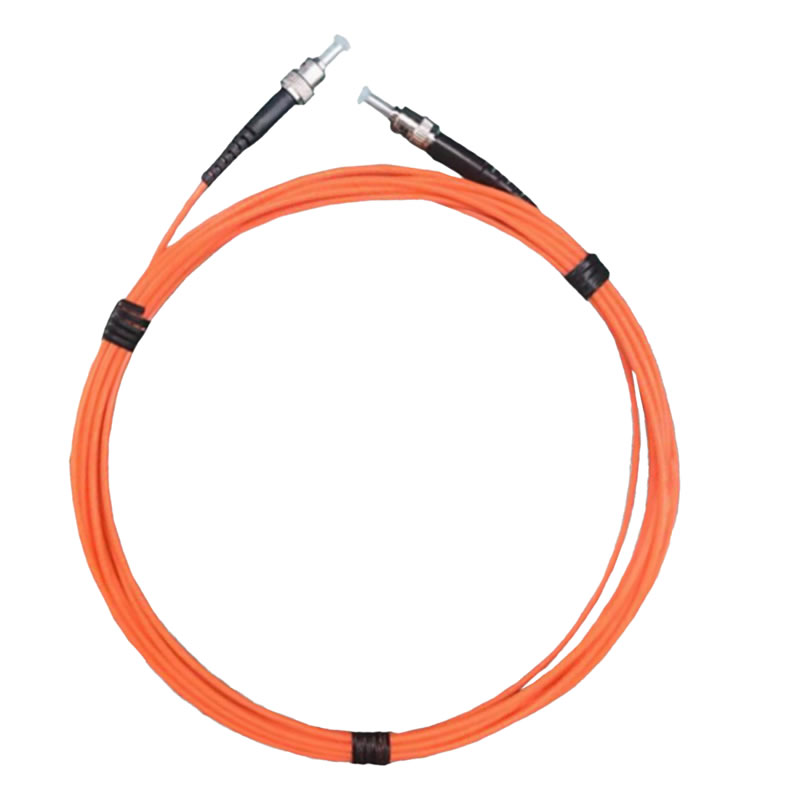
- Fiber optic feedthroughs enable fiber optic cables to safely penetrate barriers such as transformer tanks, غرف فراغ, or high-pressure vessels, while maintaining a hermetic seal and system integrity.
- They are essential for deploying fiber optic sensors and communication links in harsh environments, providing electrical isolation, حماية البيئة, والموثوقية على المدى الطويل.
- These components are widely used in power transformers, المفاتيح الكهربائية ذات الجهد العالي, التحكم في العمليات الصناعية, scientific laboratories, والمعدات الطبية.
- Choosing the right fiber optic feedthrough involves considering application environment, نوع الألياف, sealing technology, connector options, and certifications.
- The latest technologies, such as glass-to-metal seals and advanced epoxy compounds, offer robust solutions for demanding conditions and long service life.
- Major manufacturers include FJINNO, نيوبتكس, Osensa, وغيرها, each providing unique features and support for integration into different systems.
- This guide answers the most common questions about what fiber optic feedthroughs are, كيف يعملون, their applications, and how to select the right one for your needs.
What is a fiber optic feedthrough?
- إن تغذية الألياف الضوئية عبارة عن مكون متخصص مصمم للسماح لواحد أو أكثر من الألياف الضوئية بالمرور عبر حاجز مغلق, مثل جدار الغرفة المفرغة, خزان المحولات, أو وعاء الضغط العالي.
- وتتمثل المهمة الرئيسية في الحفاظ على الختم المحكم مع تمكين نقل الإشارات الضوئية دون انقطاع عبر المساحات المنفصلة ماديًا وبيئيًا.
- تم تصميم عمليات التغذية لضمان عدم وجود غاز, سائل, أو يمكن للملوث عبور الحاجز, وبالتالي حماية البيئة الداخلية وسلامة الألياف الضوئية.
- They are critical in systems where environmental isolation, مصداقية, and safety are essential, such as in power system monitoring, scientific experiments, والأتمتة الصناعية.
- These devices come in various configurations to support single-mode, المتعدد, or specialty optical fibers, and may include integrated connectors or bare fiber terminations depending on the application requirements.
- Modern fiber optic feedthroughs are manufactured using a variety of materials and sealing technologies, including metal, زجاج, السيراميك, or advanced polymers, to ensure compatibility with a wide range of environments, from deep vacuum to high pressure and extreme temperature.
How does a fiber optic feedthrough work?
- The basic principle of a fiber optic feedthrough is to create a secure, leak-tight seal around the optical fiber as it passes through a barrier, while preserving the optical properties necessary for high-quality signal transmission.
- Most designs involve a feedthrough body, typically made of stainless steel or other robust material, with a precisely engineered channel for the fiber.
- The sealing mechanism can be based on epoxy resin, glass-to-metal sealing, compression fittings, or ceramic materials, selected according to the environmental and performance requirements.
- The feedthrough is usually installed into a port or flange, where it is tightened or welded in place to become part of the system wall or enclosure.
- The optical fiber is either pre-installed or drawn through during assembly, and special care is taken to minimize optical losses, prevent microbending, and avoid physical damage.
- In high-voltage or high-pressure applications, the feedthrough also provides electrical isolation and mechanical strength, preventing dielectric breakdown and protecting both the fiber and the equipment.
Why use a fiber optic feedthrough?
- Fiber optic feedthroughs are chosen because they enable the use of fiber optic technology in environments that require strict separation between internal and external conditions.
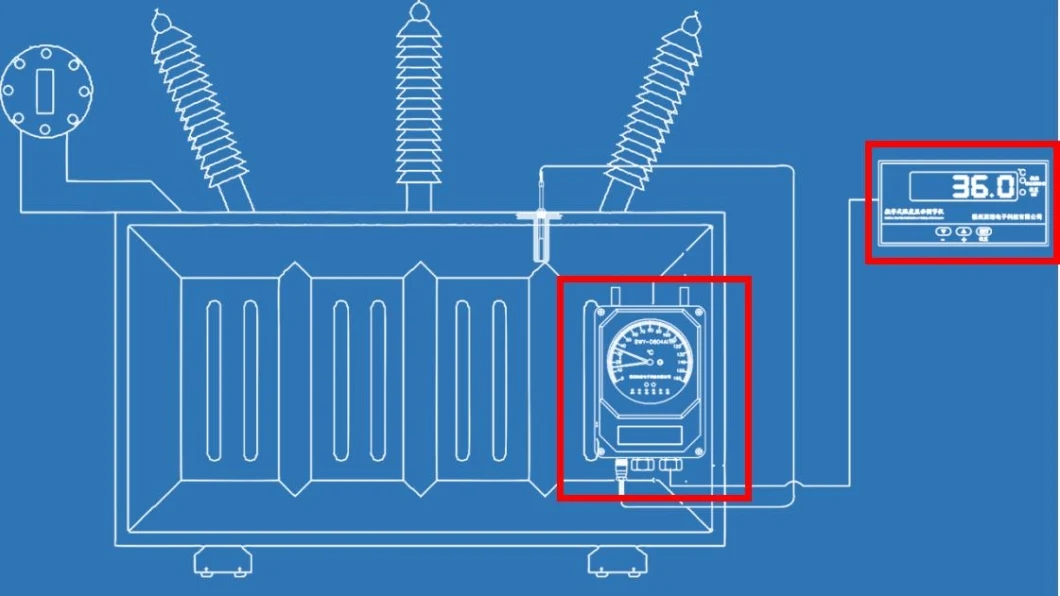
- They ensure that sensitive or hazardous environments, such as transformer oil tanks or vacuum chambers, remain sealed and uncontaminated while still allowing critical data transmission via optical fibers.
- By maintaining a hermetic seal, they prevent leaks, دخول الرطوبة, and the migration of gases or fluids, which could compromise both the equipment and safety.
- إنها توفر العزل الكهربائي الأساسي للأنظمة التي تعمل بجهد عالي أو حيث يجب تقليل التداخل الكهرومغناطيسي, لأن الألياف الضوئية لا توصل الكهرباء وهي محصنة ضد التداخل الكهرومغناطيسي.
- مقارنة بالتغذية الكهربائية التقليدية, تتيح عمليات تغذية الألياف الضوئية نشر حلول الاستشعار المتقدمة، مثل درجة الحرارة الموزعة, أَضْنَى, أو مراقبة الضغط - دون المخاطر المرتبطة بالأسلاك الكهربائية.
- تتميز عمليات التغذية هذه أيضًا بموثوقيتها العالية على مدار فترات الخدمة الطويلة ويمكنها تحمل البيئات الفيزيائية والكيميائية القاسية, مما يجعلها مثالية للتطبيقات ذات المهام الحرجة.
What are the main applications of fiber optic feedthroughs?
- محولات الطاقة والمفاتيح الكهربائية:
- تُستخدم تغذية الألياف الضوئية على نطاق واسع لتوجيه ألياف مستشعر درجة الحرارة إلى خزانات المحولات لمراقبة النقاط الساخنة, enabling real-time thermal management and predictive maintenance.
- في المفاتيح الكهربائية ذات الجهد العالي, they provide a safe path for fibers to enter sealed compartments for continuous monitoring or control.
- Scientific research and laboratory equipment:
- Feedthroughs allow precision optical measurements inside vacuum chambers, cryostats, or pressure vessels, supporting experiments in physics, كيمياء, and materials science.
- They are essential in setups where contamination control and signal fidelity are paramount.
- مراقبة العمليات الصناعية:
- These devices enable fiber optic sensors to be used in chemical reactors, خطوط الأنابيب, المصافي, and manufacturing lines, where harsh environments or safety regulations prohibit direct electrical connections.
- They support real-time process monitoring for temperature, ضغط, والتركيب الكيميائي.
- Medical and pharmaceutical equipment:
- Feedthroughs are used to bring optical fibers into sterile or isolated environments for medical sensing, laser delivery, or imaging.
- Their hermetic sealing ensures compliance with strict safety and hygiene standards.
- Oil and gas, and subsea monitoring:
- Fiber optic feedthroughs make it possible to use distributed sensing along pipelines and underwater installations, where pressure, تآكل, and temperature extremes demand robust sealing solutions.
What are the advantages of fiber optic feedthroughs?
- Exceptional environmental sealing:
- Ensures that no liquids, الغازات, or contaminants can pass through the barrier, protecting sensitive equipment and processes.
- Maintains high system integrity even under extreme vacuum, ضغط, or temperature conditions.
- Superior electrical isolation:
- Optical fibers are inherently non-conductive, so feedthroughs prevent electrical shorts, أقواس, or interference, which is especially important in high-voltage and high-EMI settings.
- High reliability and longevity:
- Robust construction and advanced sealing techniques allow for years of maintenance-free service, minimizing the risk of leaks or failures.
- Suitable for mission-critical and safety-related installations.
- Minimal optical loss:
- Designed to preserve the quality of the optical signal, minimizing attenuation and reflection at the transition point.
- Versatility and customization:
- Feedthroughs can be tailored to accept various fiber types, core sizes, connector formats, and mounting requirements, supporting a wide range of industries and applications.
What types of fiber optic feedthroughs are there?
- Based on fiber type:
- Single-mode feedthroughs are optimized for transmitting light over long distances with minimal loss, suitable for precise sensing and communication.
- Multimode feedthroughs are designed for higher bandwidth over shorter distances and are often used in industrial and laboratory settings.
- Specialty fiber feedthroughs accommodate polarization-maintaining, large core, or custom-jacketed fibers for unique applications.
- Based on sealing mechanism:
- Epoxy-sealed feedthroughs use advanced adhesives to securely bond the fiber to the housing, providing robust sealing for many standard applications.
- Glass-to-metal sealed feedthroughs offer superior hermeticity and chemical resistance, widely used in vacuum, high-pressure, or high-temperature environments.
- Compression-sealed feedthroughs use mechanical fittings to form a gas-tight seal, allowing for re-entry or replacement of the fiber.
- Based on connection interface:
- Some feedthroughs are supplied with bare fiber, while others come terminated with standard connectors such as FC, SC, or ST for plug-and-play integration.
- Multi-channel feedthroughs allow several fibers to pass through a single port, reducing installation complexity in systems requiring multiple sensors or communication links.
What sealing technologies are used in fiber optic feedthroughs?
- Epoxy resin sealing:
- Utilizes high-performance adhesives to form a durable and leak-proof bond between the fiber and the feedthrough body.
- Offers good resistance to moisture, المواد الكيميائية, and moderate temperature changes, and is suitable for most commercial and industrial uses.
- Glass-to-metal sealing:
- Involves melting and fusing glass around the fiber and a metal housing, creating a hermetic seal that withstands extreme pressures, vacuums, and thermal cycling.
- Preferred for demanding applications, such as scientific research or deep-sea and aerospace environments, where absolute reliability is crucial.
- Compression and mechanical sealing:
- Uses mechanical force to compress a gasket or ferrule around the fiber, forming a tight seal that can be adjusted or replaced as needed.
- Offers flexibility for field installations or systems where frequent maintenance or fiber changes are expected.
How to select the right fiber optic feedthrough?
- Define your application environment:
- Consider factors such as pressure, درجة حرارة, رطوبة, التعرض الكيميائي, and required level of hermeticity.
- Applications in vacuum, الجهد العالي, or hazardous areas may require special sealing technologies and materials.
- Specify fiber and connector requirements:
- Match the feedthrough to your fiber type, core/cladding size, number of fibers, and desired connectors for compatibility and ease of installation.
- Verify that the feedthrough’s insertion loss and return loss meet your optical performance needs.
- Review certifications and standards:
- Ensure the feedthrough complies with relevant safety, جودة, والمعايير البيئية, especially for regulated industries such as power, طبي, or chemical sectors.
- Look for certifications like IP ratings, ايزو, or specific industry approvals.
- Evaluate vendor support and customization:
- Choose manufacturers who offer technical support, خيارات التخصيص, and proven track records for your specific application.
- Request documentation, تقارير الاختبار, or customer references to confirm quality and reliability.
How to install a fiber optic feedthrough?
- Preparation stage:
- Begin by reviewing the installation manual and ensuring compatibility between the feedthrough, نوع الألياف, and system port or flange.
- Inspect the feedthrough for physical damage and clean all surfaces to prevent contamination of the sealing area.
- Mechanical mounting:
- Insert the feedthrough into the designated hole or fitting on the chamber wall, خزان المحولات, or equipment enclosure.
- Tighten or weld the feedthrough as specified, using gaskets or O-rings if required for additional sealing.
- Fiber handling and routing:
- توجيه الألياف بعناية من خلال فيدثرو, تجنب الانحناءات الحادة أو السحب المفرط لمنع الانحناء الدقيق وفقدان الإشارة.
- إذا كانت التغذية تأتي منتهية مسبقًا بالموصلات, ضمان التزاوج المناسب مع المنافذ الضوئية للنظام; للألياف العارية, لصق أو إنهاء حسب الحاجة.
- الشيكات النهائية:
- إجراء اختبارات التسرب والضغط للتأكد من سلامة الختم.
- التحقق من الاستمرارية البصرية وقياس فقدان الإدراج لضمان نقل إشارة عالية الجودة.
- قم بتوثيق التثبيت لسجلات الصيانة والامتثال المستقبلية.
How to maintain fiber optic feedthroughs?
- التفتيش الروتيني:
- قم بفحص مجرى التغذية بانتظام بحثًا عن علامات الضرر الجسدي, تآكل, أو التسريبات, وخاصة في البيئات القاسية أو عالية الضغط.
- التحقق من وجود تغييرات في الأداء البصري, مثل زيادة التوهين, والتي قد تشير إلى التلوث أو التدهور.
- التنظيف والحماية:
- Clean optical connectors and exposed fiber ends using approved fiber cleaning solutions and lint-free wipes to maintain signal quality.
- Protect the feedthrough from mechanical shocks, الاهتزازات, والتعرض للمواد الكيميائية, which can compromise sealing integrity.
- Leak testing:
- Periodically conduct leak or pressure tests according to the manufacturer’s recommendations, especially after maintenance or extreme events.
- Replacement and repair:
- If a feedthrough fails or shows signs of degradation, follow the manufacturer’s procedure for replacement.
- Avoid field repairs unless specifically designed for user-servicing; most feedthroughs are factory-sealed for reliability.
How to evaluate the performance of a feedthrough?
- Optical performance:
- Measure insertion loss and return loss using an optical power meter or OTDR to ensure the feedthrough does not introduce excessive attenuation or reflection.
- Verify that the feedthrough maintains required optical signal quality under operational conditions, including temperature and pressure extremes.
- Hermeticity and sealing:
- Test for leaks by applying vacuum or pressure and monitoring for changes; use helium leak detectors for high-sensitivity applications.
- Confirm that the sealing material and method are compatible with the application’s environmental challenges.
- Mechanical and electrical isolation:
- Assess the feedthrough’s ability to withstand mechanical stress, اهتزاز, and thermal cycling, as well as electrical insulation where high voltage is present.
What is flange mounting in fiber optic feedthroughs?
- Flange mounting refers to the use of a circular plate—called a flange or flange ring—on the feedthrough body, which allows secure bolted installation onto a flat surface or port of a chamber, خزان المحولات, or vessel.
- The flange provides a large, stable sealing surface, making it ideal for high-pressure or vacuum systems where leak prevention and mechanical strength are critical.
- Gaskets or O-rings are often used between the flange and the equipment wall to enhance hermetic sealing and prevent gas or liquid leakage.
- Flange-mounted feedthroughs are commonly used in power transformers, oil-filled tanks, and laboratory vacuum systems, where they simplify installation, تقتيش, and replacement.
- The flange design can be standardized (such as KF, CF, or ISO flanges in vacuum technology) or custom-made to fit specific equipment requirements.
- When selecting a fiber optic feedthrough for flange mounting, it is important to ensure compatibility with the existing port dimensions, bolt pattern, and sealing requirements of the system.
How to troubleshoot common problems with fiber optic feedthroughs?
- Leak detection issues:
- If you notice pressure instability or vacuum loss after installation, check the flange or flange ring area for gasket misalignment, bolt torque inconsistency, or surface contamination that could compromise sealing.
- Inspect the O-ring or gasket seated between the feedthrough flange and the chamber wall. Replacing worn or damaged seals can restore hermeticity.
- In multi-bolt flanged installations, ensure all bolts are tightened evenly in a cross pattern for a uniform seal—uneven torque may cause micro-leaks or flange warping.
- High optical loss or signal attenuation:
- Excessive insertion loss may result from fiber misalignment, تلوث الموصل, or microbending near the flange junction. Carefully clean connector end-faces and verify correct fiber routing through the flange interface.
- If the feedthrough is flange-mounted in a high-vibration environment, consider additional strain relief or fiber supports to prevent movement-induced damage.
- Mechanical or structural damage:
- Physical impacts on the flange, such as tool slips or accidental bumps during maintenance, can deform the flange surface or misalign the feedthrough, leading to leaks or fiber breakage.
- Inspect flange bolts and mating surfaces regularly for corrosion, especially in outdoor or chemically aggressive environments. Replace corroded bolts or recondition the flange surface as needed.
- Installation and replacement difficulties:
- إذا كان من الصعب إزالة التغذية المثبتة على الحافة, تحقق من الترابط بسبب شيخوخة الحشية أو التدوير الحراري. استخدم أدوات التفكيك الموصى بها وتجنب التحديق مباشرة على الألياف.
- عند إعادة التثبيت, استخدم دائمًا حشوات أو حلقات دائرية جديدة وقم بتنظيف كل من الحافة ومنفذ المعدات لضمان الختم الموثوق.
ما هي اعتبارات السلامة الموجودة بالنسبة لتغذية الألياف الضوئية؟?
- سلامة الضغط والاحتواء:
- يجب تركيب قنوات التغذية المثبتة على الحافة بشكل صحيح باستخدام عزم الدوران الصحيح ومواد الختم لمنع التسربات الكارثية في أنظمة الضغط العالي أو أنظمة التفريغ.
- تأكد دائمًا من أن الفلنجة والمسامير مصنفة وفقًا لضغط التشغيل ودرجة الحرارة المتوقعة; تحت- أو الإفراط في تشديد قد يؤدي إلى فشل شفة.
- العزل الكهربائي:
- في محولات الطاقة وتطبيقات الجهد العالي, ensure that the feedthrough and any metallic flange components maintain required electrical isolation from energized parts.
- Use insulating gaskets or flange rings if needed to prevent stray currents or potential grounding issues.
- Optical safety:
- Never look directly into the fiber exiting the feedthrough, especially during testing or maintenance, as invisible laser radiation may be present.
- Secure all fibers during flange installation to avoid accidental breakage or eye exposure.
- Chemical and environmental hazards:
- Select flange and gasket materials compatible with the chemicals and temperatures in your application to avoid rapid degradation and leaks.
- For outdoor or corrosive environments, use stainless steel or coated flange hardware to extend service life and prevent structural weakening.
What standards and certifications are relevant for fiber optic feedthroughs?
- International and industry standards:
- Fiber optic feedthroughs, especially those with flange or flange ring mounting, should comply with international standards such as IEC 61754 (fiber optic connector interfaces) واللجنة الانتخابية المستقلة 61300 (basic test and measurement procedures).
- For vacuum or pressure vessel applications, compliance with ISO flange standards (على سبيل المثال, ISO-KF, ISO-CF) ensures compatibility and safety in laboratory and industrial environments.
- In power transformer and electrical switchgear installations, IEEE and IEC standards relating to high-voltage insulation, ختم, and safety are also critical.
- Environmental and safety certifications:
- Products may require IP (حماية الدخول) ratings for dust and water resistance, especially when flange-mounted in outdoor or wet environments.
- For hazardous locations, ATEX or UL certifications may be necessary to verify explosion-proof and flame-retardant properties—including the materials used in flanges and seals.
- Manufacturers should provide leak-test certificates and pressure/vacuum test results, especially for custom flange feedthrough assemblies.
- Quality management:
- ايزو 9001 certification demonstrates that the manufacturer follows globally recognized quality control processes throughout the production of fiber optic feedthroughs and flanges.
- Traceability of flange materials and gaskets can be important for regulated industries (قوة, طبي, كيميائية) to meet audit and compliance requirements.
قمة 10 fiber optic feedthrough manufacturers (جدول التكيف)
| رتبة | الشركة المصنعة | Flange/Flange Ring Options | Main Features | Industry Focus | منطقة |
|---|---|---|---|---|---|
| 1 | فجينو | Multiple standard and custom flange sizes, high-pressure and vacuum rated, ISO/CF compliant | Exceptional hermeticity, low optical loss, نطاق درجة حرارة واسعة | قوة, مكنسة, زيت & الغاز, Scientific | عالمي |
| 2 | نيوبتكس | Custom flange and bolt pattern options for transformer and lab use | Integrated temperature sensor feedthroughs, robust sealing | قوة, صناعي | كندا |
| 3 | Osensa | Standard and compact flange rings, easy field mounting | عزل الجهد العالي, multi-channel options | قوة, المفاتيح الكهربائية | كندا |
| 4 | مراقبة وعرة | Pressure-rated flanges, corrosion-resistant choices | Turnkey transformer hot spot monitoring solutions | قوة, المرافق | كندا |
| 5 | تقنيات فيسو | Diverse flange mount options for scientific and medical | Multipurpose fiber optic sensor integration | طبي, Scientific | كندا |
| 6 | MPF Products | ISO and custom flanges, glass-to-metal seals | High vacuum, الفائق, and pressure compatibility | مكنسة, Laboratory | الولايات المتحدة الأمريكية |
| 7 | Vacuum Feedthroughs Inc. | Range of ISO, KF, CF flange sizes | Specialized in high vacuum and cryogenic feedthroughs | Scientific, صناعي | الولايات المتحدة الأمريكية |
| 8 | Agiltron | Custom flange, multi-fiber options | Low optical loss, النماذج الأولية السريعة | تصنيع المعدات الأصلية, الاتصالات | الولايات المتحدة الأمريكية |
| 9 | Thorlabs | Standard lab flanges, التكامل السهل | Research-focused, modular solutions | Scientific, Academic | الولايات المتحدة الأمريكية |
| 10 | OFS Optics | Specialty flange assemblies for oil & gas and subsea | Extreme environment durability | زيت & الغاز, Subsea | الولايات المتحدة الأمريكية |
ما هو مستقبل تكنولوجيا تغذية الألياف الضوئية؟?
- Advanced sealing technologies:
- Future fiber optic feedthroughs will adopt new composite materials and nanostructured coatings for even greater hermeticity and chemical resistance—especially at the flange and flange ring interfaces.
- The development of re-sealable and self-healing gasket materials will simplify flange maintenance and extend service life in critical systems.
- Integration with smart monitoring:
- Next-generation feedthroughs will feature integrated sensors for real-time leak detection and mechanical stress monitoring at the flange connection points.
- Digital interfaces and wireless diagnostics will enable predictive maintenance, reducing downtime for systems such as transformers, غرف فراغ, and industrial reactors.
- Modular and adaptive designs:
- Modular flange-mount feedthroughs with standardized bolt patterns will allow quick upgrades and field replacements without special tools, catering to diverse application needs.
- Adaptive flange rings that accommodate multiple fiber types or channel counts in a single interface will improve installation flexibility and reduce total cost of ownership.
- Greater industry adoption:
- As fiber optic sensing expands in power, زيت & غاز, scientific, and smart manufacturing sectors, flange-mount feedthroughs will become standard for safety, مصداقية, and ease of maintenance.
- Tight integration with digital asset management platforms will make flange and feedthrough health data part of the overall infrastructure lifecycle management.
الأسئلة المتداولة حول تغذية الألياف الضوئية
- Can I retrofit a fiber optic feedthrough with a flange onto existing transformer tanks or vacuum chambers?
- نعم, many manufacturers offer flange and flange ring feedthroughs with industry-standard bolt patterns or custom solutions for legacy equipment, making upgrades straightforward.
- Always verify that the flange size, material, and gasket selection are compatible with your tank or chamber to guarantee a durable seal and proper mechanical fit.
- Consult with the feedthrough supplier to obtain dimensioned drawings and installation guidelines for smooth retrofitting.
- How do I choose between epoxy, glass-to-metal, or compression flange feedthroughs?
- Epoxy-sealed flange feedthroughs are cost-effective and suitable for most standard industrial and laboratory uses with moderate temperature and pressure.
- Glass-to-metal flange feedthroughs provide ultimate hermeticity and are preferred for high-vacuum, cryogenic, أو بيئات الضغط العالي.
- Compression flange feedthroughs allow for easy re-entry and field fiber replacement, ideal for systems with frequent maintenance or upgrades.
- What are best practices for installing flange-mounted fiber optic feedthroughs?
- Clean all flange and gasket surfaces before assembly, use new O-rings or gaskets, and torque bolts in a cross pattern for even sealing.
- Avoid over-tightening, which can deform the flange or crush the fiber; follow the manufacturer’s torque recommendations.
- بعد التثبيت, perform leak and optical continuity tests to confirm both mechanical and signal integrity.
- Are there flange standards I should follow for my specific application?
- نعم, vacuum systems often use ISO-KF or ISO-CF flanges, while power transformers may employ custom flange designs based on IEC or IEEE guidelines.
- Always match the flange type and size to your system’s port specifications and environmental requirements.
How do fiber optic feedthroughs compare with other sealing solutions?
- Compared to traditional electrical or metal cable feedthroughs, fiber optic feedthroughs offer superior electrical isolation, no EMI susceptibility, and are safer for high-voltage and sensitive measurement environments.
- Flange-mounted optical feedthroughs provide easier inspection, استبدال, and standardized sealing compared to welded or glued alternatives, especially in applications requiring periodic maintenance or upgrades.
- In terms of sealing reliability, glass-to-metal and flange-based solutions outperform most epoxy or compression-only designs, particularly in extreme pressure or vacuum situations.
- For multi-fiber and high-density installations, تعمل أنظمة الفلنجة المعيارية على تبسيط عملية التوجيه, وضع العلامات, والتوثيق, تقليل أخطاء التثبيت وإجمالي تكلفة دورة الحياة.
هل يمكنك تقديم دراسة حالة واقعية؟?
- تغذية الألياف الضوئية مع شفة في مراقبة درجة حرارة المحولات:
- قامت إحدى المرافق الكهربائية الكبرى بتحديث محولات الطاقة القديمة الخاصة بها لتشمل مراقبة درجة حرارة النقاط الساخنة في الوقت الفعلي باستخدام أجهزة استشعار الألياف الضوئية. يتطلب المشروع ممرات تغذية يمكنها تمرير الألياف الضوئية بشكل موثوق عبر جدار خزان المحولات أثناء تحمل الغمر بالزيت, الجهد العالي, and thermal cycling.
- قامت الأداة باختيار قنوات تغذية ألياف بصرية مخصصة مثبتة على فلنجات من الفولاذ المقاوم للصدأ وحشيات EPDM, ضمان القوة الميكانيكية ومنع التسرب على المدى الطويل. يتبع تصميم الحافة معايير IEC والمعايير الخاصة بالمرافق لنمط الترباس وتقييم الضغط.
- أثناء التثبيت, تم عزم دوران شفة التغذية وفقًا للمواصفات واختبار التسرب قبل تعبئة الزيت. Engineers noted that the modular flange design allowed for future fiber additions or sensor maintenance without draining the tank.
- After commissioning, the fiber optic sensors provided continuous, high-accuracy winding temperature data, enabling predictive maintenance and early detection of abnormal conditions—improving transformer reliability and reducing risk of unplanned outages.
- Vacuum chamber application for scientific research:
- In a national laboratory, researchers needed to bring multiple fiber optic lines into an ultra-high vacuum chamber for laser diagnostics and temperature sensing.
- They chose a multi-channel CF flange feedthrough with glass-to-metal sealing, compatible with the chamber’s standard port and able to withstand bake-out temperatures above 200°C.
- The flange was installed with copper gaskets and torqued according to vacuum best practices, achieving leak rates below 1 س 10-9 mbar·L/s.
- The solution allowed for flexible fiber routing, high optical performance, and reliable long-term operation in a demanding scientific environment.
أين تجد المزيد من الموارد?
- Manufacturer technical documentation:
- Download specification sheets, أدلة التثبيت, and flange compatibility charts from leading manufacturers such as FJINNO, نيوبتكس, Osensa, وغيرها.
- Many offer detailed white papers on flange sealing methods, اختيار المواد, and application case studies.
- Industry standards and best practices:
- Refer to IEC, ايزو, and IEEE standards for flange dimensions, sealing protocols, and fiber optic connector interfaces.
- Organizations such as CIGRÉ and ASTM provide guidelines on transformer monitoring and flange integration in high-voltage systems.
- Professional forums and knowledge bases:
- Participate in communities like IEEE Xplore, ResearchGate, and specialized LinkedIn groups focused on fiber optics, flange technology, and power engineering.
- Online courses and webinars by universities or standards bodies often cover flange installation and troubleshooting techniques.
- On-site training and consulting:
- Many manufacturers and engineering consultants provide on-site flange installation training, maintenance workshops, and system audits tailored to your application.

مستشعر درجة حرارة الألياف الضوئية, نظام مراقبة ذكي, الشركة المصنعة للألياف الضوئية الموزعة في الصين
 |
 |
 |