 INNO fibre optic temperature sensors ,temperature monitoring systems.
- A small transformer changes AC voltage using a relatively compact magnetic core and winding structure.
- Small transformers may step voltage up or down, provide electrical isolation, or supply control circuits.
- Common types include control, isolation, distribution, step-down, step-up and compact dry-type transformers.
- Size depends on voltage, power rating, insulation, cooling method and intended application rather than one universal physical dimension.
- Applications range from electronic equipment and control panels to commercial and industrial power distribution.
- Higher-load units may require temperature or condition monitoring when reliability is important.
Control cabinets, power supplies, lighting circuits, instruments and building electrical rooms all contain transformers that most people never notice. Questions about a small transformer usually come back to the same points: what counts as small, which type fits, how it is rated and how it handles heat. The sections below cover each point, then move on to temperature and monitoring for units that carry important loads.
Table of Contents
- What Is a Small Transformer?
- How Does It Work?
- Common Transformer Types
- Typical Sizes and Ratings
- Where Are Compact Transformers Used?
- Small vs Large Power Transformers
- How to Choose the Right Unit
- Temperature and Overheating
- Distribution Transformer Monitoring
- When Is Online Monitoring Needed?
- Frequently Asked Questions
1. What Is a Small Transformer?
A small transformer is a compact electrical transformer used to change voltage, provide isolation or supply a specific circuit where power requirements and installation space are relatively limited.
“Small” is a relative description rather than one universal electrical classification. No single kVA ceiling separates small units from large ones, so there is no single universal size or rating that defines every “small transformer.” Power rating, voltage, frequency, insulation, cooling, application and installation space all shape what the word means in practice.
Small electrical transformers, mini transformers and compact transformers are informal labels for the same general idea. Context sets the scale, from a low-power unit inside an electronics enclosure to a dry-type unit serving one floor of a commercial building.
2. How Does It Work?
Electromagnetic induction drives every transformer. Alternating current in the primary winding creates a changing magnetic flux in the core, and that flux induces a voltage in the secondary winding.
Turns ratio sets the voltage change. More secondary turns than primary turns raise the voltage, and fewer turns lower it. Output power cannot exceed input power, because some energy is always lost as heat in the windings and core. Those losses are why rating, cooling and temperature matter at every size.
3. Common Transformer Types
3.1 Step-Down Transformers
Step-down transformers reduce a higher supply voltage to a lower one. They are common wherever equipment needs low voltage from a mains supply, such as control circuits, lighting and electronic devices.
3.2 Step-Up Transformers
Step-up transformers raise voltage. They suit equipment designed for a higher voltage than the available supply, including some test setups and power systems.
3.3 Isolation Transformers
Isolation transformers separate the primary and secondary circuits electrically, with no direct conductive connection between them. They are widely used to improve safety and to limit noise transfer to sensitive instruments.
3.4 Control Transformers
Control transformers supply lower-voltage power to contactors, relays and automation circuits inside machinery and panels. They are designed with the short current surge of coil energizing in mind.
3.5 Dry-Type Transformers
Dry-type transformers cool their windings with air instead of insulating oil. Indoor installations in commercial buildings and industrial sites commonly use them, and many compact units follow this design.
3.6 Small Distribution Transformers
Small distribution transformers bring supply voltage down to a level suitable for local loads. Buildings, industrial sites, pad-mounted enclosures and compact substations rely on them, and the design may be oil-immersed or dry-type.
4. Typical Sizes and Ratings
Selection starts with the nameplate. Physical size alone does not determine transformer capacity, because core design, insulation and cooling all influence how much load a given enclosure can carry.
| Parameter | Why It Matters |
|---|---|
| Power Rating | VA or kVA capacity must cover the connected load with some margin. |
| Voltage | Primary and secondary transformer voltage must match the supply and the load. |
| Phase | Single-phase units serve single-phase loads; three-phase units serve three-phase supplies. |
| Frequency | Rated frequency, such as 50 Hz or 60 Hz, must match the supply. |
| Insulation | Insulation class and temperature rise define the thermal limits of the design. |
| Cooling | Natural or forced cooling affects continuous load capability. |
| Temperature | Ambient conditions and operating temperature influence usable capacity and service life. |
| Installation | Enclosure type, clearance, mounting and access affect where the unit can go. |
5. Where Are Compact Transformers Used?
Typical applications include:
- Control panels and industrial machinery
- Automation systems and PLC power supplies
- Lighting circuits
- Instrumentation and measurement equipment
- Commercial buildings and local power distribution
- Renewable energy equipment
- Data centers
- Transportation systems
Most of these roles are routine, and none requires a specific brand or monitoring approach. Monitoring becomes a topic when a unit supplies something that is costly or difficult to lose.
6. Small vs Large Power Transformers
| Feature | Small / Compact Transformer | Large Power Transformer |
|---|---|---|
| Power level | Lower capacity, matched to local loads | High capacity for transmission and large substations |
| Physical size | Fits in panels, rooms or compact enclosures | Large units needing foundations and special transport |
| Installation | Simple mounting, often indoors | Engineered site work and civil preparation |
| Cooling complexity | Often natural air or simple forced cooling | Frequently oil circulation, radiators and cooler stages |
| Monitoring requirements | Depends on load criticality; often basic | Commonly multi-parameter and continuous |
| Typical applications | Equipment supply, buildings, local distribution | Grid substations, generation, heavy industry |
| Maintenance | Periodic inspection is common | Planned programs with diagnostic testing |
Smaller does not mean maintenance-free. A compact unit feeding a critical process can matter as much as a larger unit feeding a minor load.
7. How to Choose the Right Unit
Transformer selection follows the load and the supply:
- Determine the required input voltage and match the transformer voltage rating to the supply.
- Confirm the output voltage the load needs, including any tolerance.
- Calculate load requirements in VA or kVA, and leave margin for inrush current and future growth. Transformer capacity should sit above the real load.
- Check phase and frequency against the supply and the equipment.
- Consider insulation and environment, including dust, moisture, ambient temperature and enclosure type.
- Review cooling requirements and the ventilation available at the installation point.
- Check available installation space, clearances and access.
- Consider monitoring needs for critical equipment.
8. Temperature and Overheating
Heat is the main operating constraint of any electrical transformer. Several factors raise transformer temperature:
- Load current and the winding losses it produces
- Ambient temperature around the unit
- Cooling performance and ventilation
- Core losses
- Loose or high-resistance connections
- Insulation condition
Sustained high temperature ages insulation faster. Acceptable limits depend on the insulation class, design and applicable standards for the specific unit, so no universal maximum temperature applies to every transformer.
Repeated transformer overheating should be investigated rather than treated only as a temperature alarm problem. Load, ventilation, connections and ambient conditions are the first things to review.
Alarm settings belong to the transformer design and project requirements. A transformer over-temperature alarm works best as an early warning that prompts a check of load, cooling and temperature trend before a protective trip becomes necessary.
9. Distribution Transformer Monitoring
Some compact distribution transformers are more than routine equipment. In commercial facilities, industrial sites, renewable energy systems, data centers and critical infrastructure, a single unit may feed loads that cannot easily lose power.
Critical distribution units may benefit from a distribution transformer monitoring system when temperature, loading or equipment condition needs to be tracked continuously. Depending on transformer type, condition monitoring can reach beyond temperature to oil condition, insulation and partial discharge indicators.
Dry-Type Transformer Temperature Monitoring
Dry-type units have no oil to carry heat away, so winding temperature, ambient temperature and cooling status are the main thermal indicators. A dry-type transformer monitoring system can record these values, trigger alarms and show condition trends for units where continuity matters.
Indoor units in tight rooms with limited ventilation are typical candidates. Not every dry-type or compact transformer needs online monitoring, and many run for years with periodic inspection alone.
10. When Is Online Monitoring Needed?
Several conditions make continuous temperature data more worthwhile:
- Critical load that cannot tolerate unplanned outages
- High operating temperature
- Limited ventilation
- Frequent loading changes
- High-voltage environment
- Difficult maintenance access
- Important production equipment
- Repeated overheating history
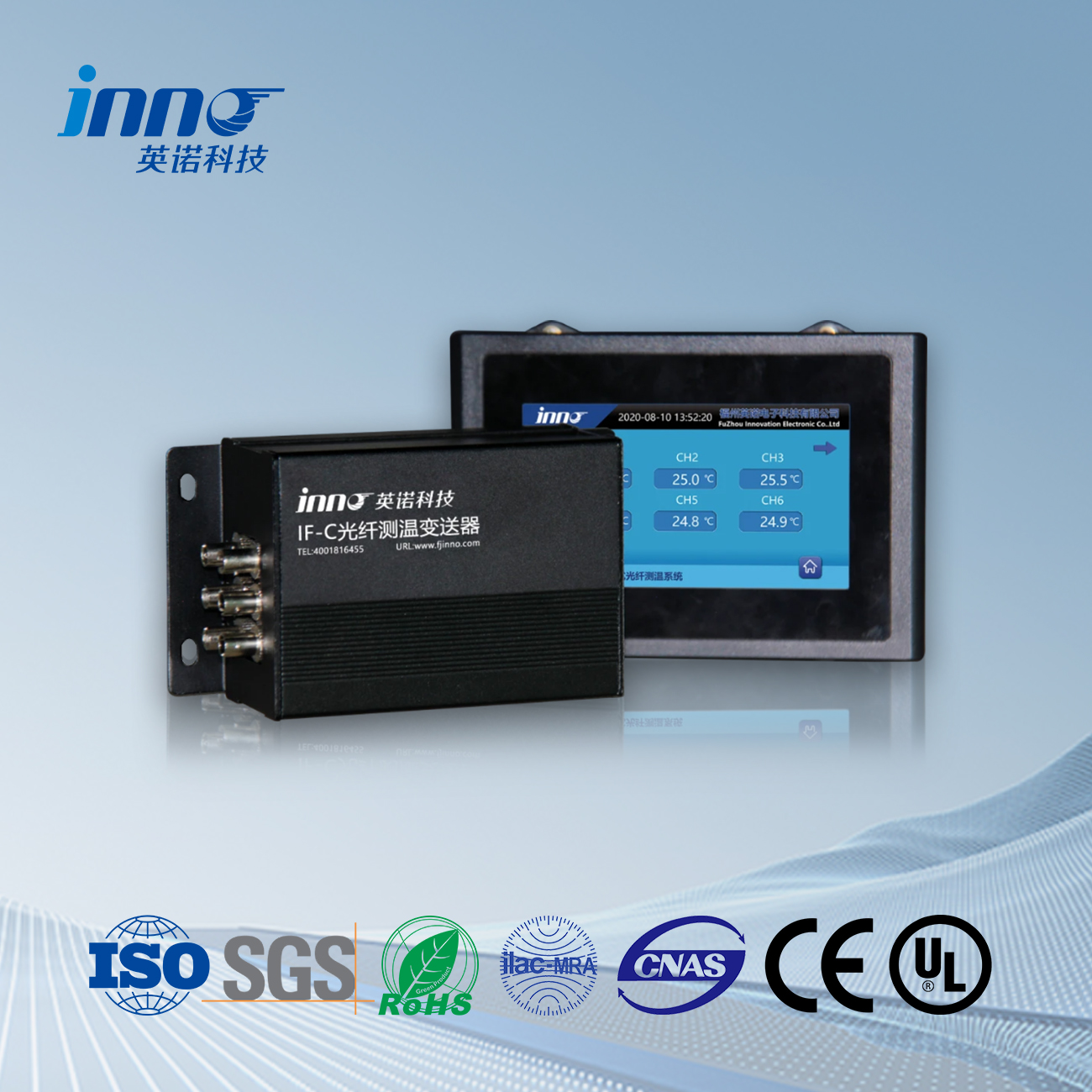
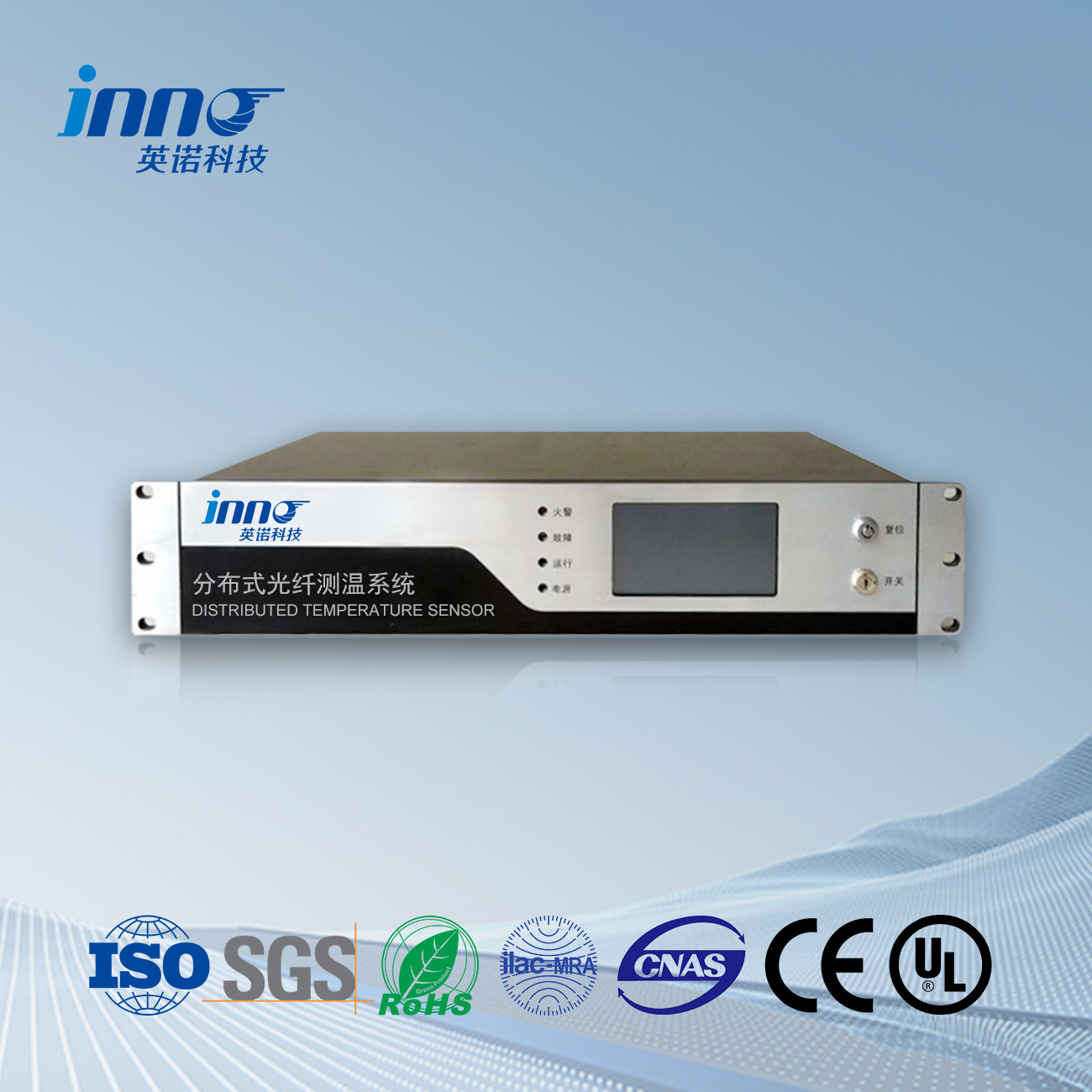
For compact distribution units in commercial or industrial settings, distribution transformer temperature monitoring replaces occasional spot checks with continuous data. FJINNO provides fiber optic winding temperature monitoring for dry-type, oil-immersed, pad-mounted and compact substation transformers, with RS485 Modbus RTU output for connection to SCADA systems.
Broader transformer temperature monitoring usually combines sensors, alarm logic and a communication path to SCADA or a building management system. Sensor choice depends on voltage level, electromagnetic environment and the accuracy required, and an overview of transformer temperature sensors helps compare PT100, thermal indicator and fiber optic options.
Frequently Asked Questions
What is considered a small transformer?
No single physical-size definition exists. The term depends on power rating, voltage, cooling and application, so a unit that counts as small in one industry may be mid-sized in another.
What are small transformers used for?
Typical uses include powering control circuits, supplying low-voltage electronics, isolating sensitive equipment, lighting, instrumentation and local power distribution in buildings and industrial sites.
What is the difference between a small transformer and a power transformer?
Differences lie mainly in capacity, application and construction complexity. Power transformers serve higher-capacity transmission and substation roles and usually have more elaborate cooling and protection, while no hard boundary separates the two categories.
Can a small transformer overheat?
Yes. Overload, poor ventilation, high ambient temperature, loose connections and internal faults can all raise temperature, and compact enclosures leave less room for heat to escape.
Does a small transformer need temperature monitoring?
Not always. Critical loads, high operating temperature, difficult maintenance access and high-reliability requirements make monitoring more worth considering, while routine units often rely on inspection and built-in protection.
Need to Monitor Transformer Temperature?
Distribution transformers, dry-type units and other critical transformers sometimes need continuous temperature data, particularly after repeated overheating events. Sharing the transformer type, installation environment and required measurement points helps define a suitable monitoring configuration.
Discuss Your Monitoring Requirements

Fiber optic temperature sensor, Intelligent monitoring system, Distributed fiber optic manufacturer in China
 |
 |
 |